
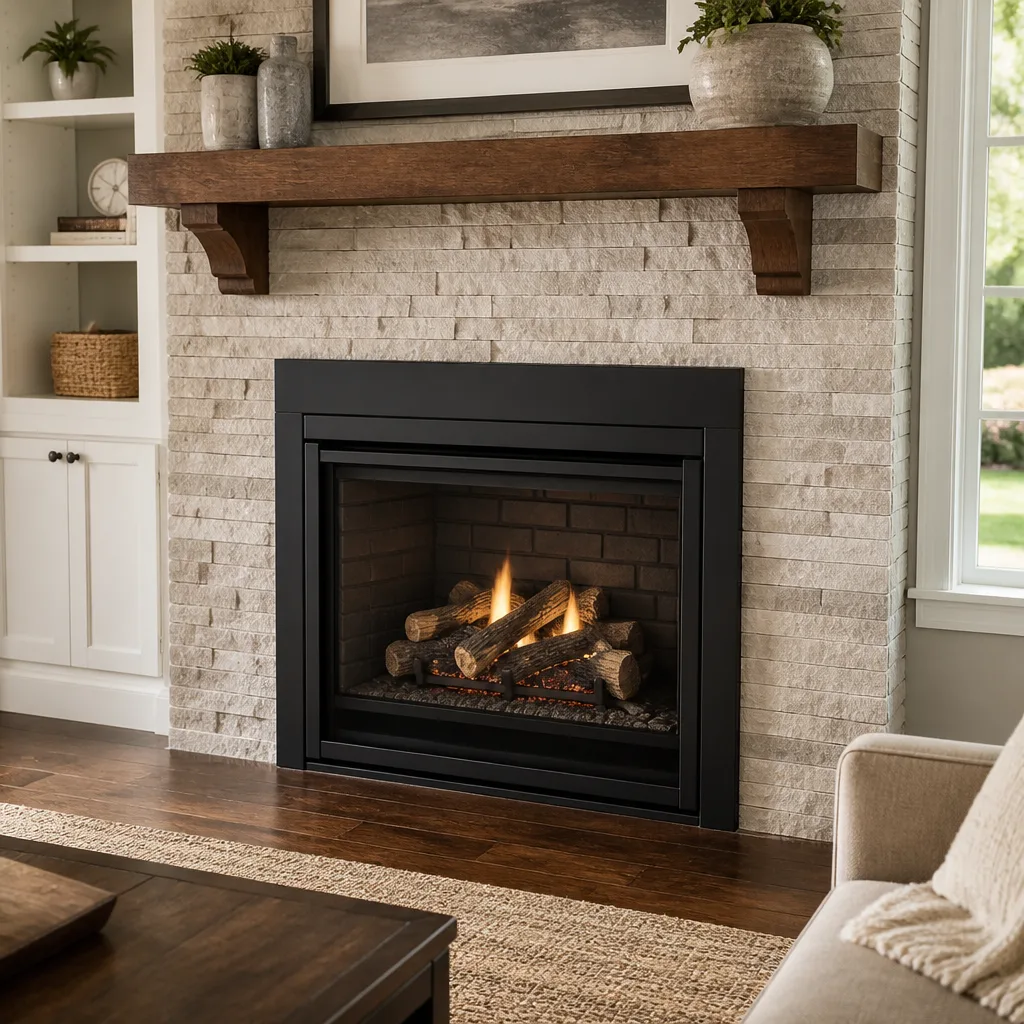
 Gas fireplace service
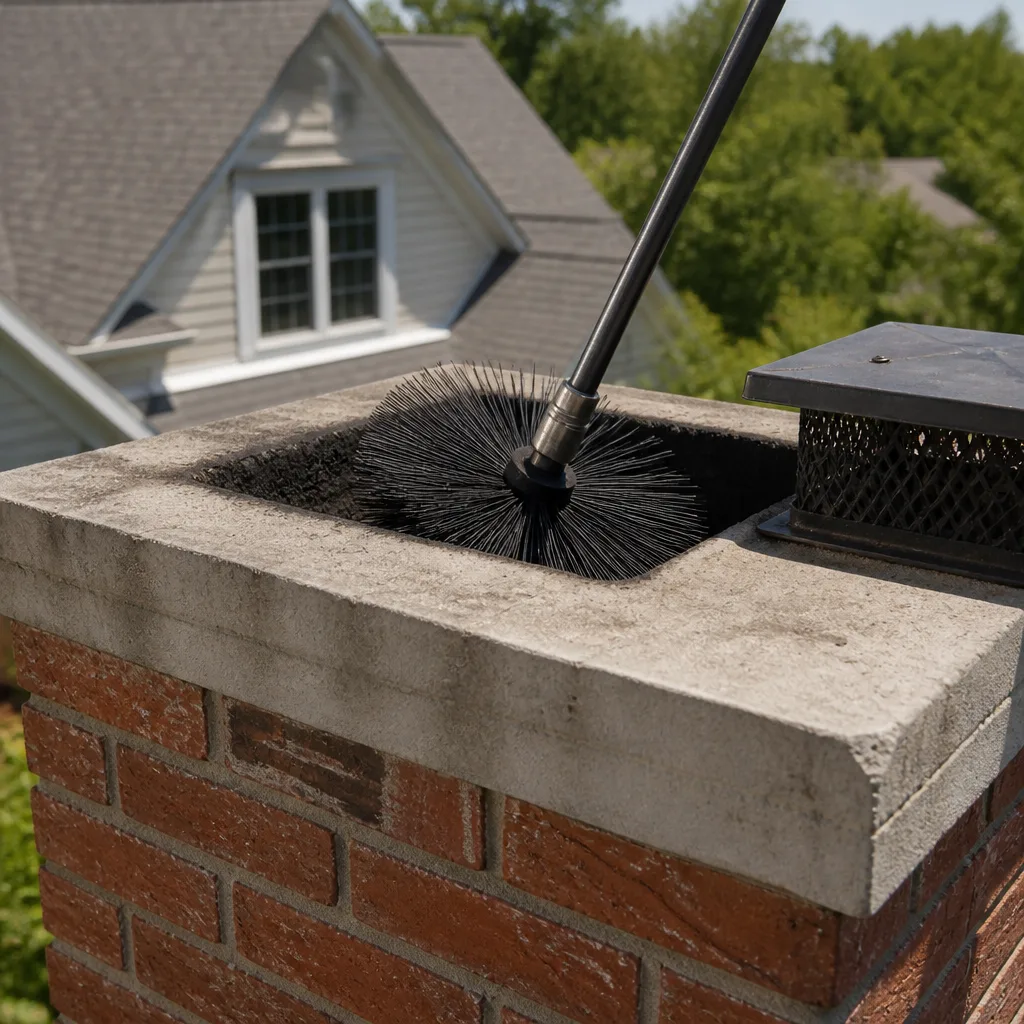 Sweep & inspection
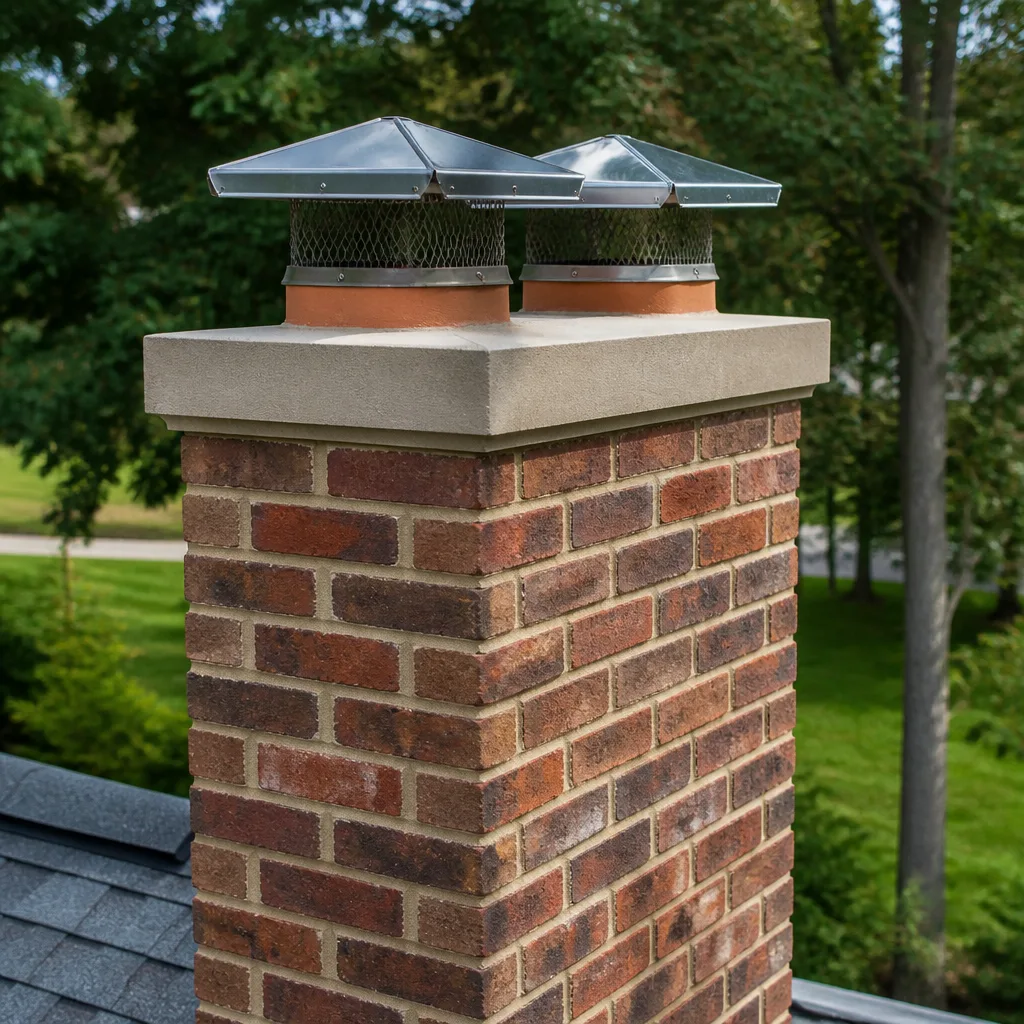 Caps & crowns
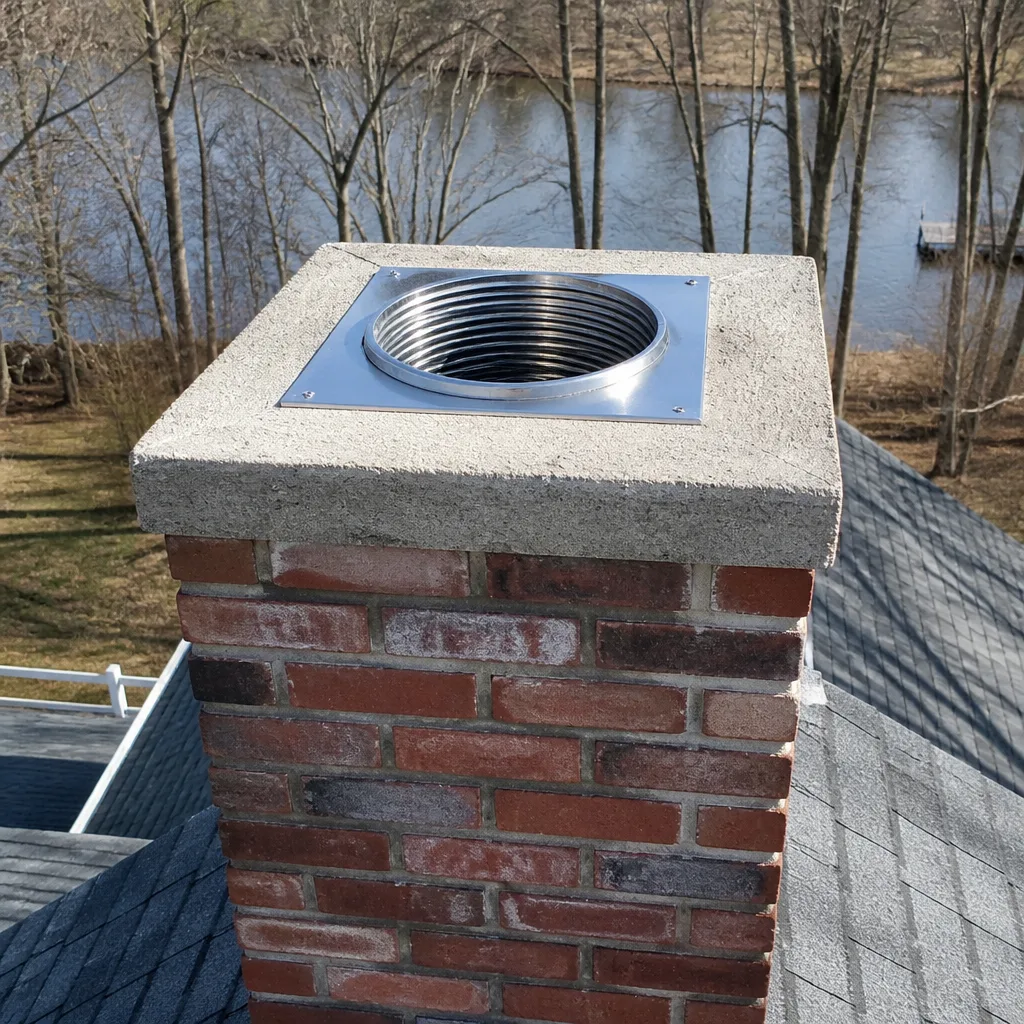 Flue relining
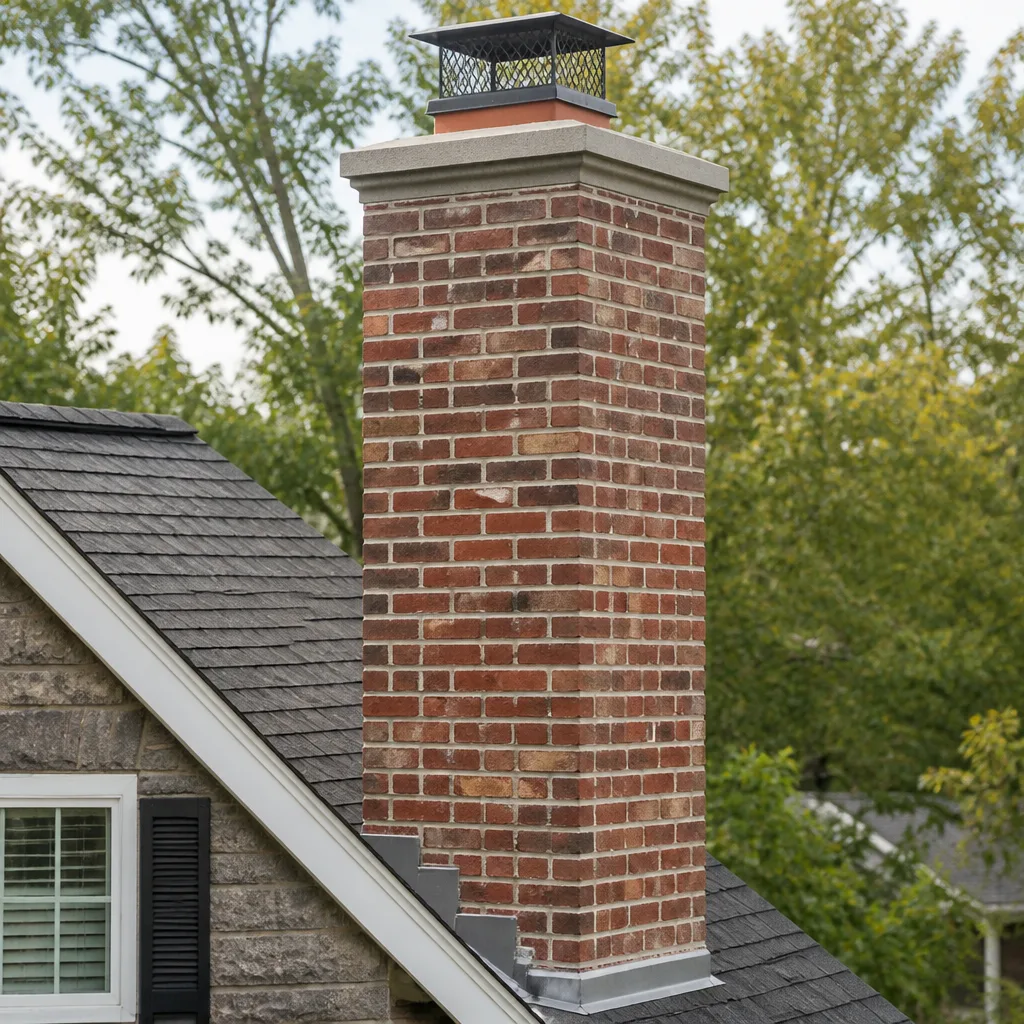 Masonry repair
Level 1 sweep and inspection to the NFPA 211 annual standard - flue, crown, cap, and flashing checked and photographed
Chimney sweep logs do not sweep chimneys. They loosen some creosote - which then falls where a brush and vacuum still have to collect it.
Why Stapleton Homeowners Choose HeatShield Chimney Cleaning
We provide independent HeatShield chimney cleaning service in Stapleton, and what sets our work apart is that we treat a HeatShield-lined flue as an engineered system that needs correct diagnosis, not just brushing. Our technicians know HeatShield resurfacing and sleeve relining work from the inside, including the failure points that show up a season after installation. We are not affiliated with or authorized by HeatShield; we’re an independent service provider that works with HeatShield products routinely.
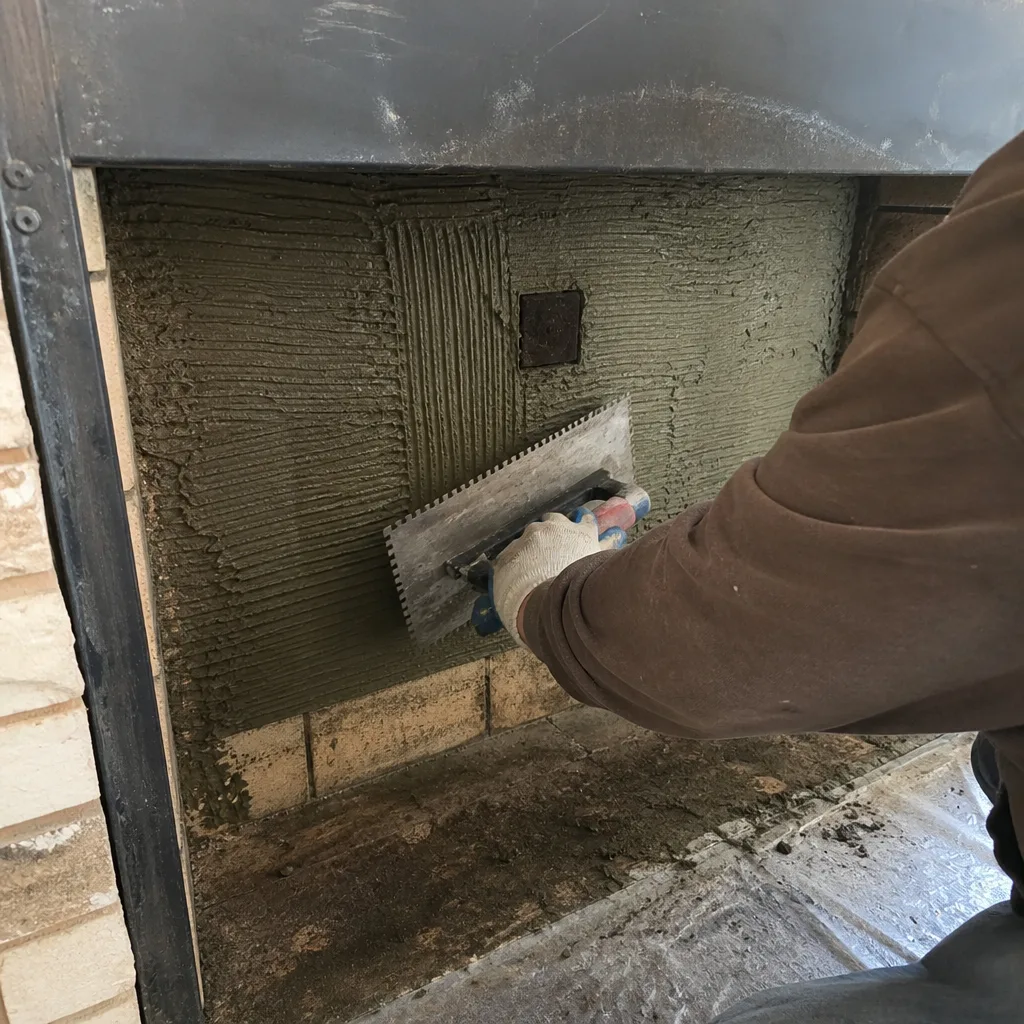
Stapleton is a waterfront neighborhood of older, working-class homes, and many of its chimneys are original masonry flues serving oil-to-gas conversions. That matters for HeatShield work. These are legacy systems, not new construction, and the flues we see here have usually carried more than one fuel over their lifetime. A HeatShield liner installed in a flue like that has to bond to brick that may already be damp, cracked or coated with decades of residue. If the prep was rushed, the problems show up later, and that’s the work we end up doing. Call (866) 280-5786 to talk through what your flue needs.
Why Trust Chimney Sweep Stapleton for Your HeatShield Chimney Cleaning?
Our technicians have up to 11 years of experience, and much of that has been spent working on HeatShield systems after the fact, which is where you learn the most. We know how a CeCure sleeve should bond to a clay tile, how a troweled resurfacing compound should set at the smoke chamber transition, and how an insulation void behind a liner announces itself through rust staining and glazed creosote at the top of the flue. That knowledge comes from diagnosis, not from a sales sheet.
We use genuine HeatShield materials as the default when a repair calls for them, because HeatShield systems are built around manufacturer-specified compounds and sleeves matched to flue size. Aftermarket substitutions only make sense when they’re truly equivalent, and we’ll tell you when they aren’t. Our service is warranty-safe: we document what we find, we don’t apply incompatible materials over a HeatShield surface, and we don’t cut corners on cure cycles. Everything we do is completed to the standard the material requires.
We inspect it before we touch it. That’s not a slogan, it’s the protocol. Every HeatShield job in Stapleton starts with a Level 2 inspection so we can see the true condition of the flue rather than guessing from the firebox. One company handles the full lifecycle here: sweeping, inspection, cap and crown work, fireplace repair, and chimney repair. You won’t need to source a second contractor to finish what we started.
Styles & brands we work with
- Sweep & inspection
- Caps & crowns
- Flue relining
- Masonry repair
- Gas fireplace service
Common HeatShield Chimney Cleaning Problems We Fix in Stapleton
Most of the HeatShield calls we get in Stapleton aren’t about installing a new liner. They’re about something that went wrong after one was installed. These are the patterns we see most often.
- Delaminated or blistered CeCure sleeve lining. Moisture trapped behind the sleeve or an inadequate cure during installation is usually the cause. It shows up as flaking sheets at the flue throat, and homeowners often mistake it for soot until they touch it. Once a sleeve has blistered, it can’t be smoothed back into place; the compromised section has to come out.
- Resurfacing compound breaking down at the smoke chamber transition. This is the thinnest part of a troweled HeatShield layer, and it takes the most heat and creosote attack. It breaks down there first. A roughened, pitted surface at the smoke chamber is the early sign; left alone, it can expose the original masonry beneath.
- Failed bond between the relined flue and the original clay tile. When the bond lets go, tile sections can spall and drop debris onto the damper. Homeowners notice grit landing on a closed damper between burns. This one needs a proper look before the next heating season, not after.
- Insulation voids around the liner in an exterior chimney. In a Stapleton chimney that runs on an outside wall, an uninsulated gap lets the flue cool fast in winter. That drives condensation, rust staining on the liner and firebox, and glazed creosote at the top of the flue. The fix is insulation, not more sweeping.
- Crown and mortar failure above a HeatShield job. Staten Island’s damp maritime climate and cold winters attack the brick above the flue line, and waterfront-facing homes near the Stapleton shoreline show mortar joint erosion and crown cracking sooner than inland blocks. Water coming in from the top can undermine a perfectly good liner below. Crown repair and cap work often solve what looks like a liner problem.
HeatShield Parts & Our Repair-vs-Replace Approach
HeatShield systems are unforgiving of the wrong materials. A resurfacing compound has to match the flue and the application; a CeCure sleeve has to match the flue’s dimensions and be cured to specification. That’s why genuine HeatShield materials are our default when a repair calls for them, and why we only go aftermarket where the substitute is genuinely equivalent. We don’t stock OEM parts, and we’re not a HeatShield dealer, but we can source what the job actually needs and fit it correctly.
The bigger question is usually repair versus replace, and the honest answer depends on where the damage sits. If a flue is already sleeved and the failure is localized, a spot repair often beats a full reline. If the resurfacing layer has broken down across the whole run, or a sleeve has delaminated along a seam, a re-sleeve is the right call. And sometimes the answer is neither. When cleaning and crown work is enough, we say so. That’s the right repair, not the most expensive one. Call (866) 280-5786 for a free estimate and a straight recommendation.
Our HeatShield Service Process – Step by Step
- 1
Diagnosis. A Level 2 inspection gives us a documented baseline: camera views of the flue, the smoke chamber, the crown and the cap. We check the bond line on a relined flue, look for insulation voids, and test whether the surface is sound before deciding anything.
- 2
Repair or install. If the damage is localized, we repair that section. If the flue needs a re-sleeve or a fresh resurfacing layer, we prep the surface properly, match the HeatShield material to the flue, and cure to specification. Rushing a cure is how blisters start.
- 3
Test. We test draft and check the flue for voids and gaps. Camera documentation goes into your report so you can see what we saw.
- 4
Warranty. You get a written record of the work and the materials used, which matters if you ever sell the home or need to file an insurance claim. Nothing gets recommended without camera evidence you can see.
Our technicians have up to 11 years of experience, and the cure-cycle discipline in step two is where that experience shows most.
See the difference
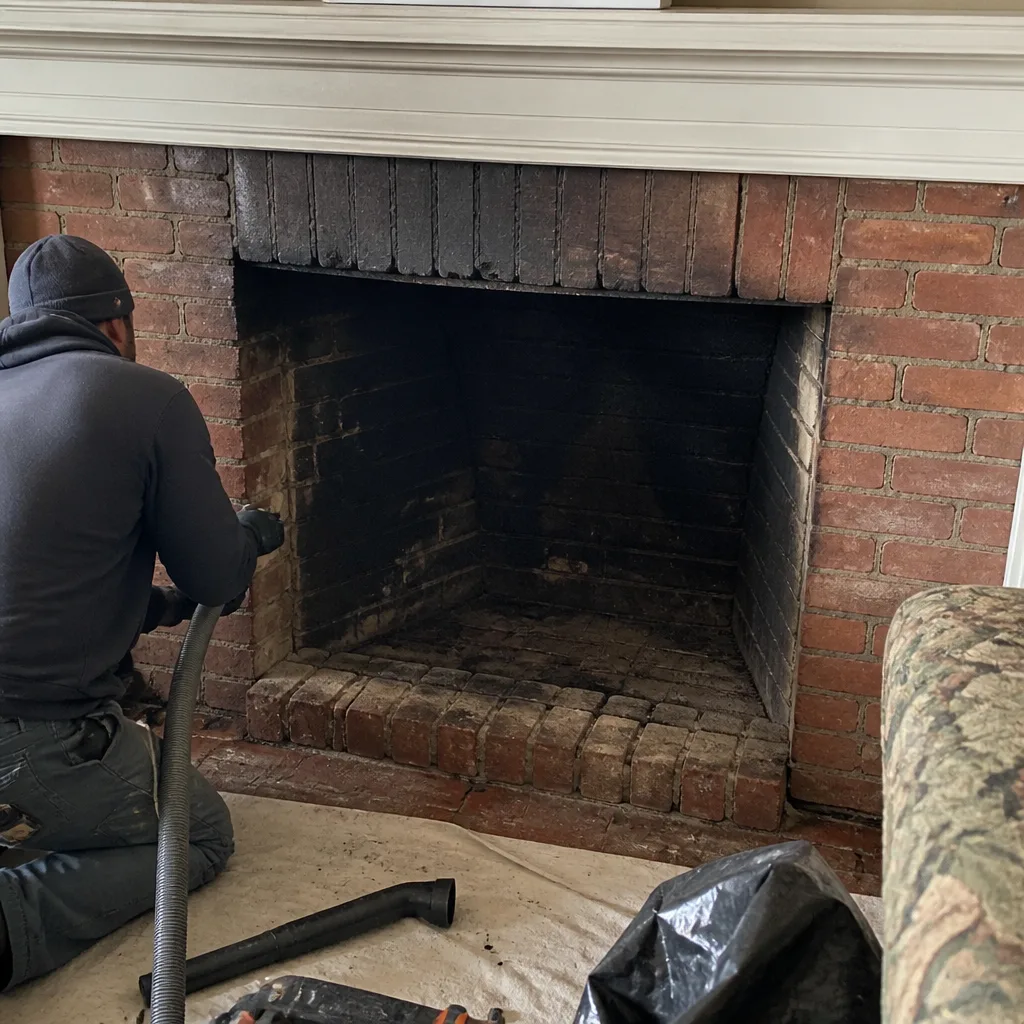 Before
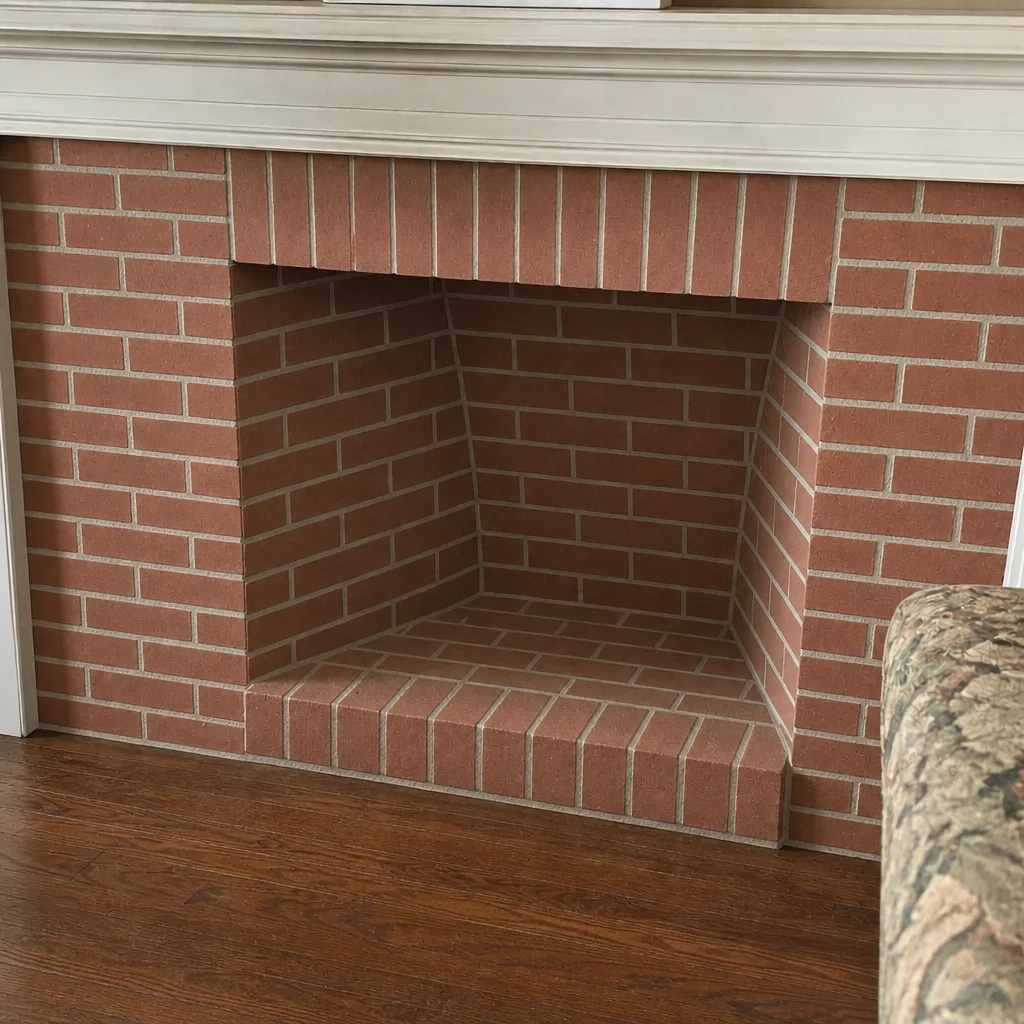 After
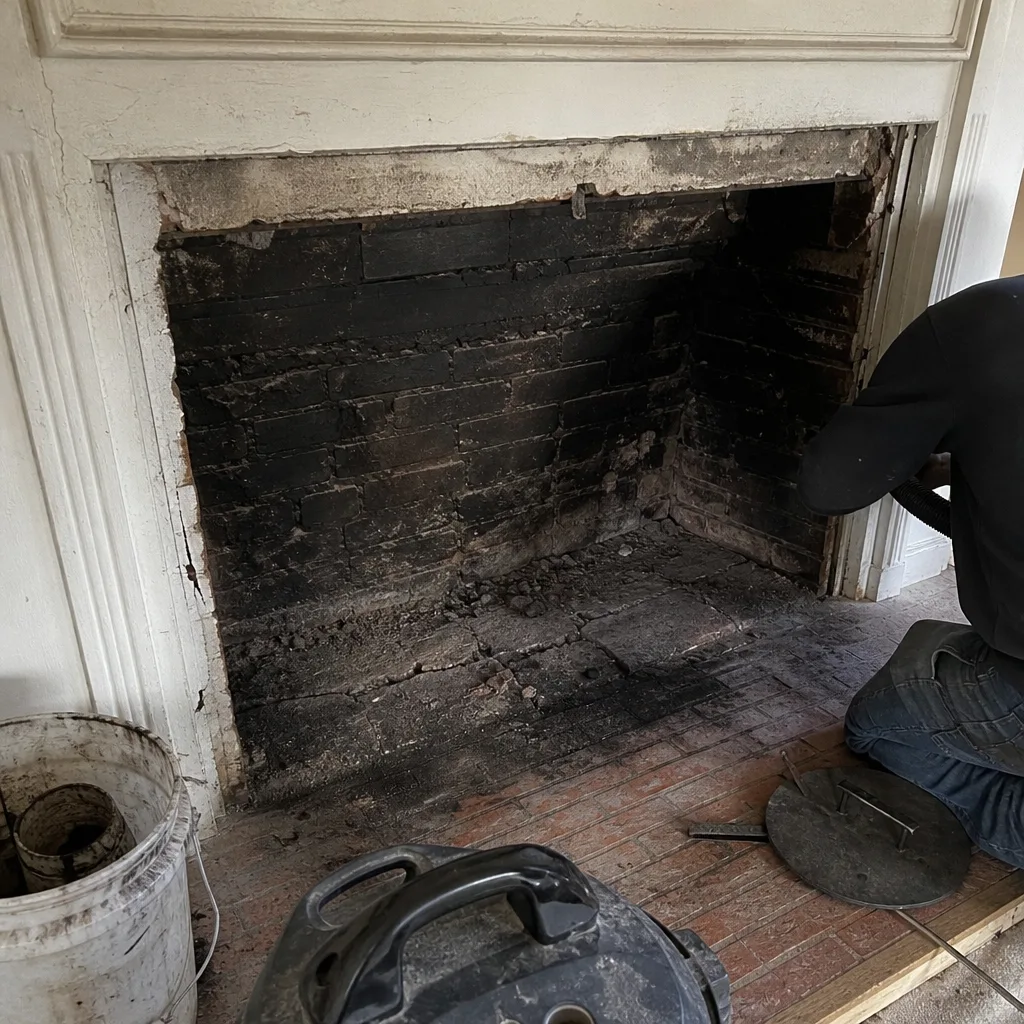 Before
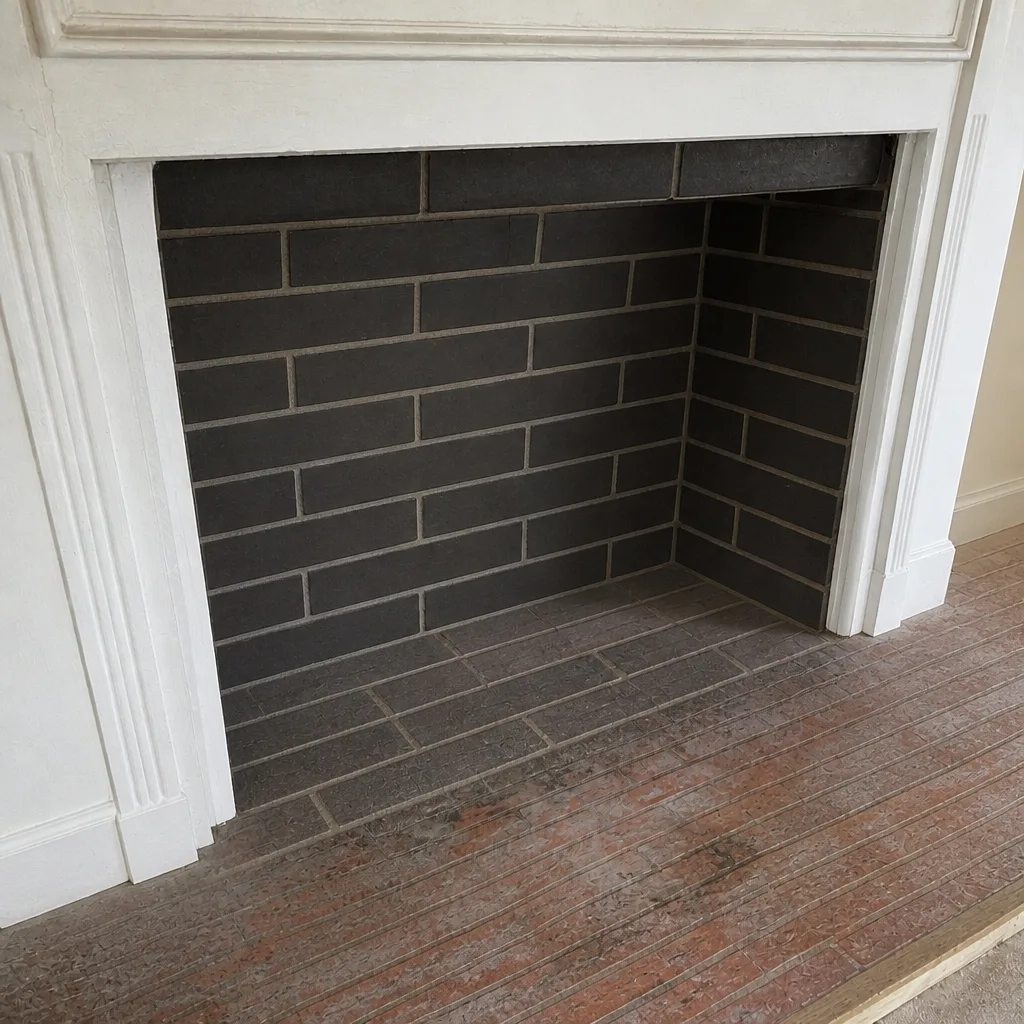 After
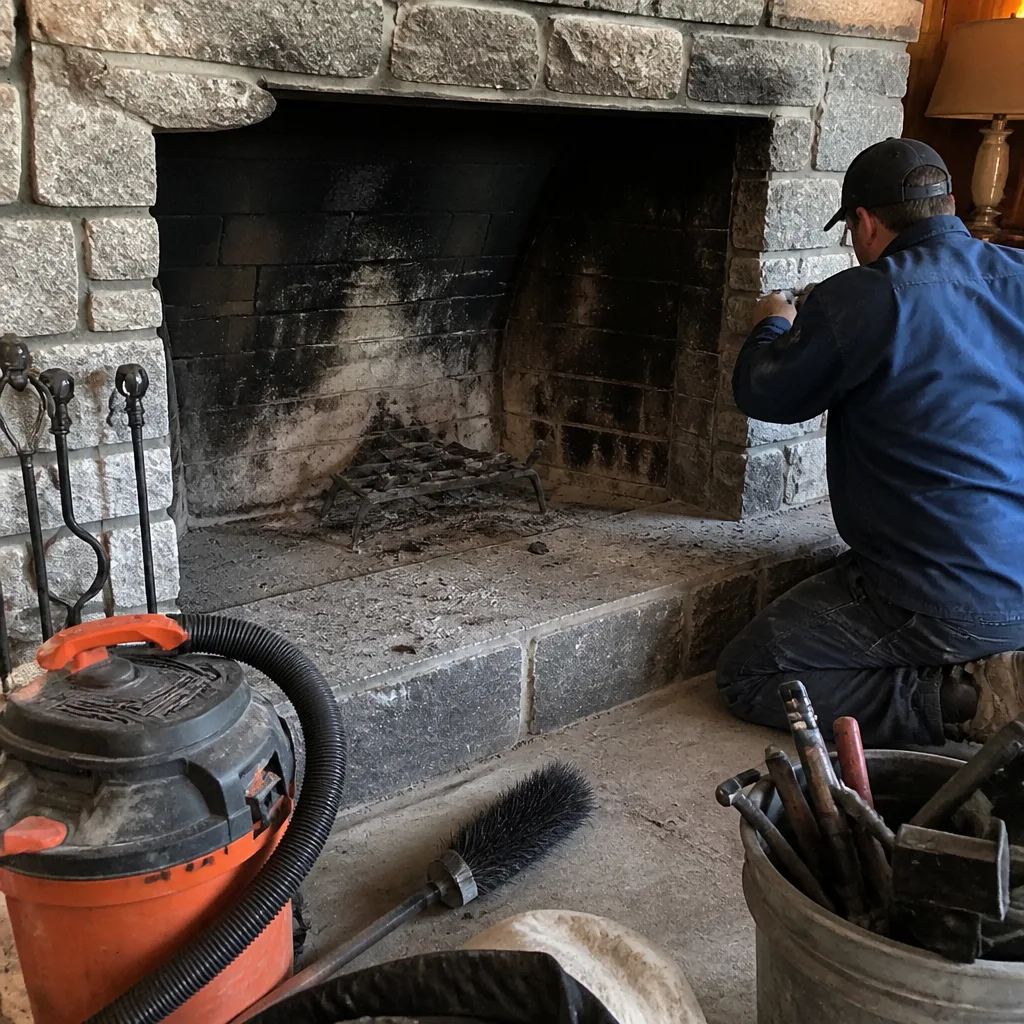 Before
 After
HeatShield Products We Service & Install in Stapleton
We service and install the HeatShield product kinds that come up most in Stapleton’s older masonry flues. The CeCure Sleeve Relining System is the air/gas-cured flue sleeve we work with on relining jobs, which suits old flues that rigid liners can’t serve. The HeatShield Resurfacing Compound is the trowel-applied castable used to resurface a flue lining without a full reline, and something we take on when the flue qualifies. Thermix insulation mix goes into relined flues to close voids and control condensation, which matters on exterior chimneys here. Crown Repair and Crown Coat materials handle the top of the stack, where salt air and freeze-thaw do their damage. We also handle DuraFlex and Gelco products when a job calls for them.
We Also Service These Brands
We’re a full-system chimney specialist, not a single-brand shop. Alongside HeatShield, we work with DuraFlex flexible liner systems for older, offset or irregular flues that rigid liners can’t serve, and with Gelco components for chimney caps and crowns. That means one company can diagnose the problem, complete the fix, and stand behind the materials used. You won’t be handed between contractors or told to call someone else for the cap.
FAQs – HeatShield Chimney Cleaning Service in Stapleton
No. We are an independent service provider and we are not affiliated with, authorized by or a dealer for HeatShield. We work with HeatShield products routinely and we stand behind our own work, not theirs. Call (866) 280-5786 if you want the details before you book.
Yes. A HeatShield-lined flue can and should be swept normally, using brushes and methods that suit the liner surface rather than the bare brick beneath it. What changes is how we inspect it: we check the bond line and look for soft spots as well as sweeping. A relined flue still needs an annual sweep, because creosote accumulates on a HeatShield surface just as it does on clay.
Debris on a closed damper after resurfacing usually means the resurfacing layer is separating at the smoke chamber transition or that the bond to the tile has failed somewhere above it. Sometimes the cause is moisture trapped behind the material or a cure that didn’t meet spec. A qualified pro sweeps first to see the true surface, then repairs the compromised section rather than cleaning over it. Call (866) 280-5786 for an inspection that shows you the evidence.
Yes. We default to genuine HeatShield materials when a repair calls for them, because the system is built around manufacturer-specified compounds and sleeves matched to flue size. Aftermarket substitutes only where they’re truly equivalent. We don’t stock OEM parts or act as a dealer, but we source what the job needs and fit it correctly.
A sweep and inspection of a HeatShield-lined flue is usually a single visit. A spot repair or re-sleeve takes longer because of surface prep and cure time, and a cure can’t be hurried without consequences. The written estimate sets the scope and the schedule before we start. Call (866) 280-5786 for a free estimate.
No, and this is where a lot of water damage starts. HeatShield Crown Repair and Crown Coat materials need a sound surface to bond to. Applying them over an actively cracked crown traps moisture underneath and the repair fails. We address the crown first, then move down the stack. Given the salt air and freeze-thaw along the Stapleton shoreline, crown checks here matter more than inland. Call (866) 280-5786 to have yours looked at.
Often yes, but it depends on the flue and the insert. An insert flue runs hotter and needs correct sizing and insulation to work, and Thermix insulation around a relined flue is usually part of doing it right. This one needs an inspection before anyone quotes it.
Our service is warranty-safe when the work matches the material’s requirements, and we don’t apply incompatible materials over a HeatShield surface. Keep your written record from the installation and the service documentation together; if a question about coverage ever comes up, having both helps.
Pricing varies by job, and the written estimate you get before any work begins is what sets the final price. Cleaning, inspection and any HeatShield repair are quoted separately because a relined flue may need a bond check, crown work or insulation that a straight sweep wouldn’t cover. Estimates are free. Call (866) 280-5786 for an exact quote.
Book Your HeatShield Service in Stapleton, NY
If your flue has a HeatShield liner and something doesn’t feel right, or you’re weighing a resurfacing job against a full reline, call us. We inspect it before we touch it, show you the camera evidence, and tell you plainly when work can safely wait. Call (866) 280-5786 for a free estimate.
Written by the team at Chimney Sweep Stapleton.