
Last updated November 25, 2026
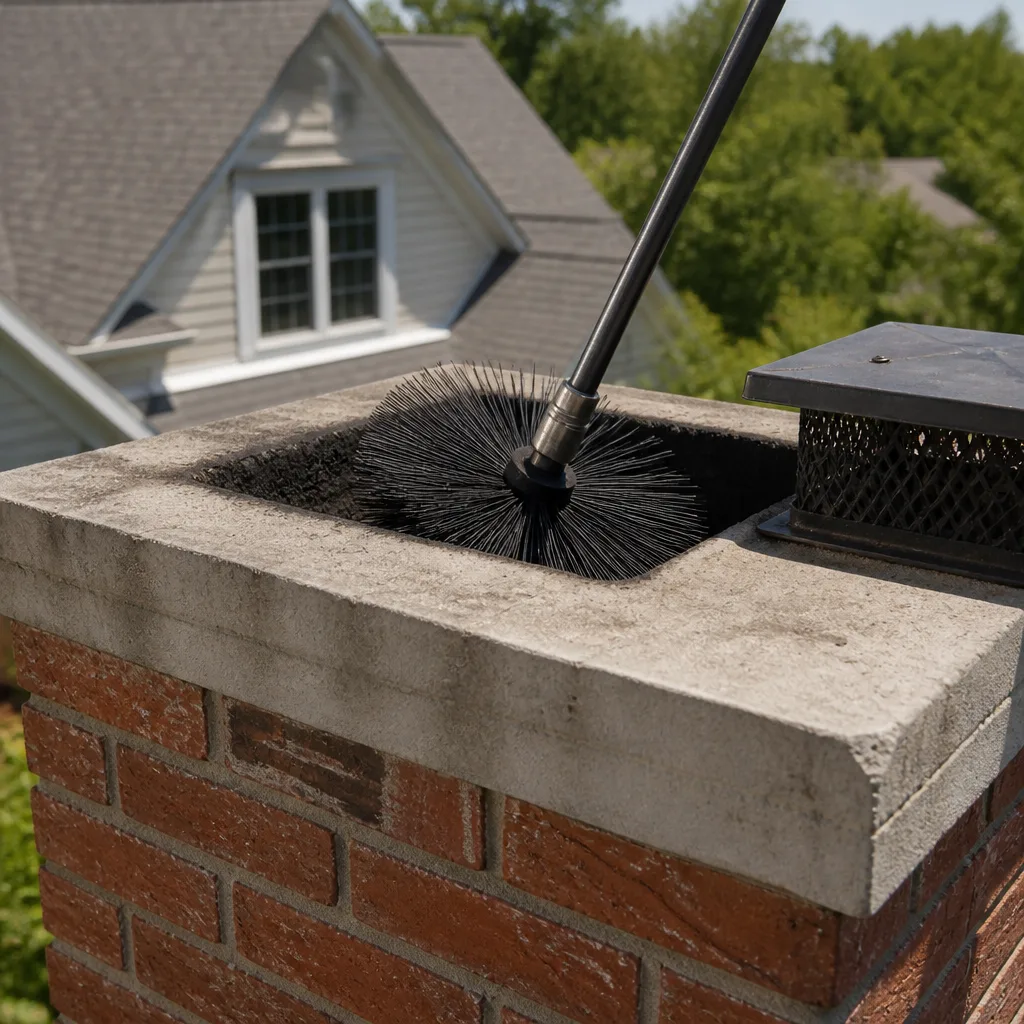 Sweep & inspection
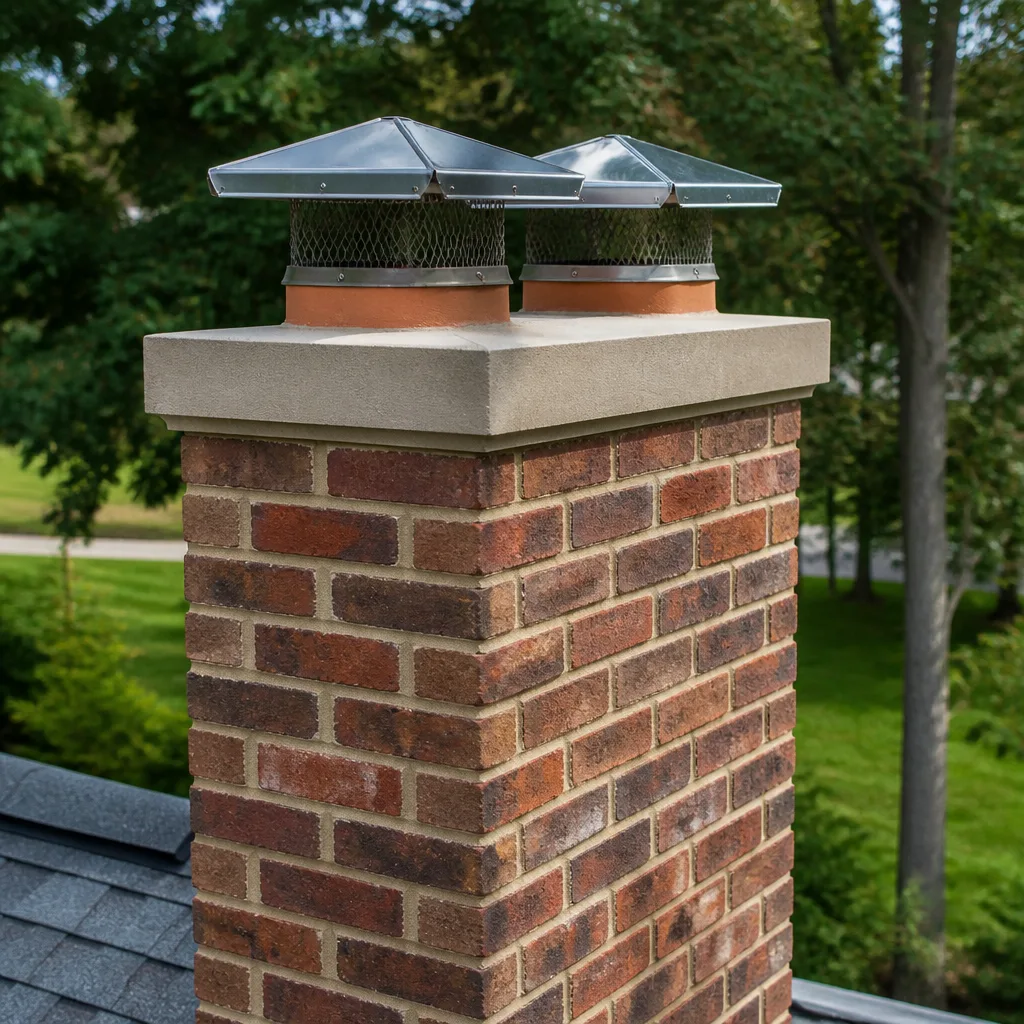 Caps & crowns
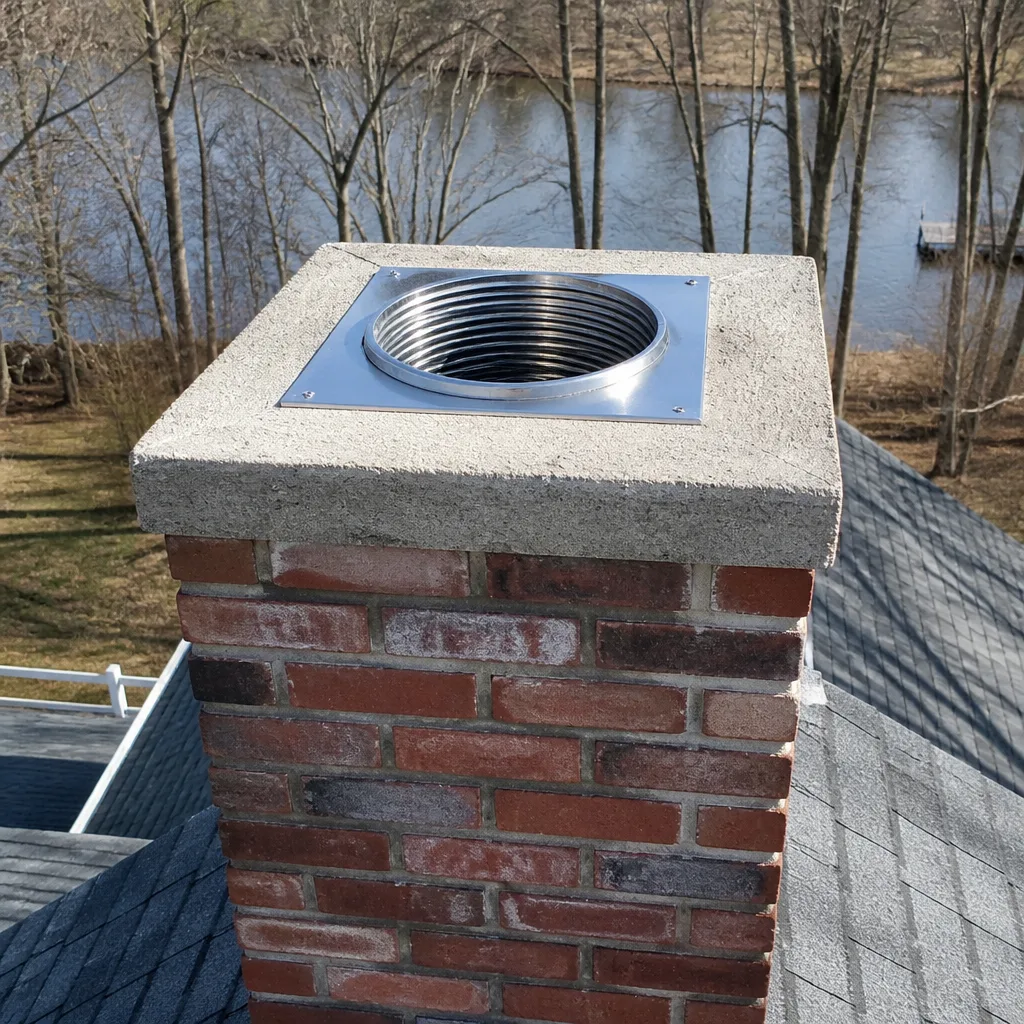 Flue relining
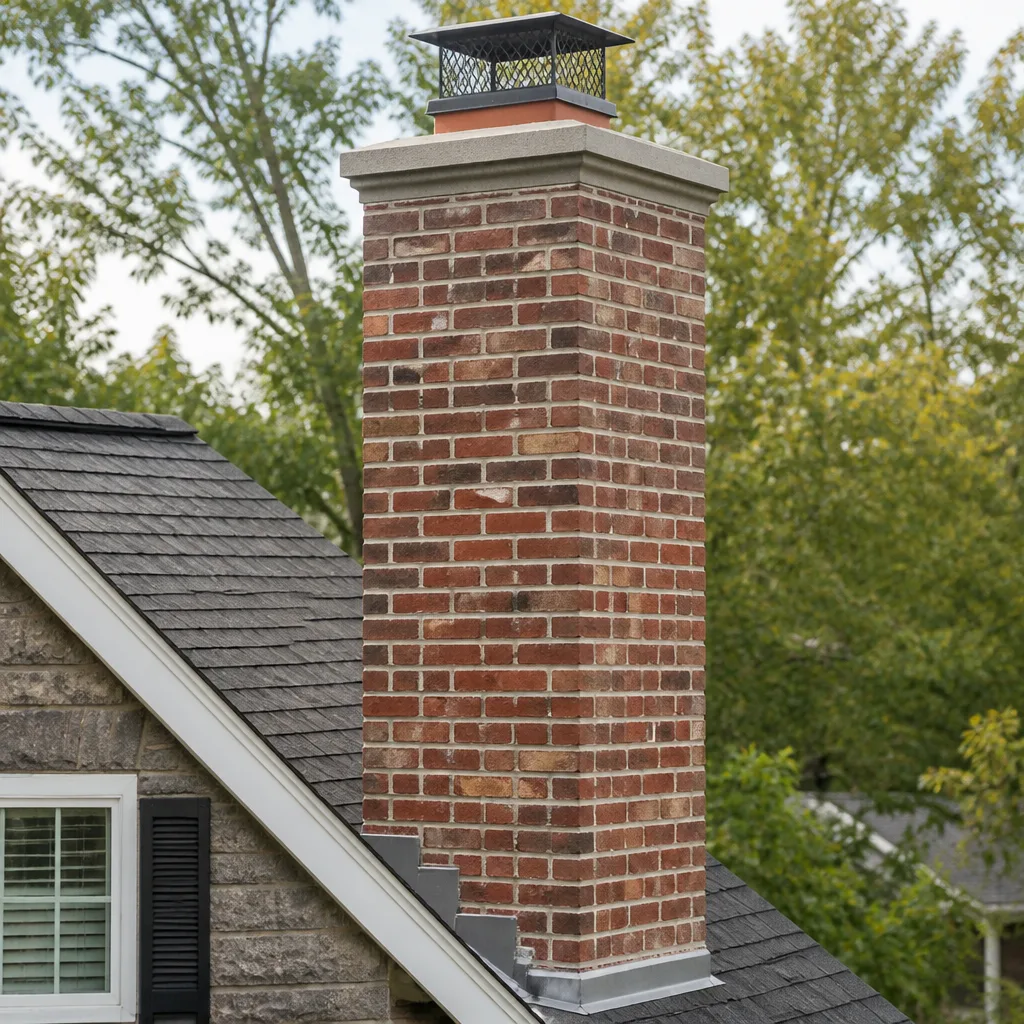 Masonry repair
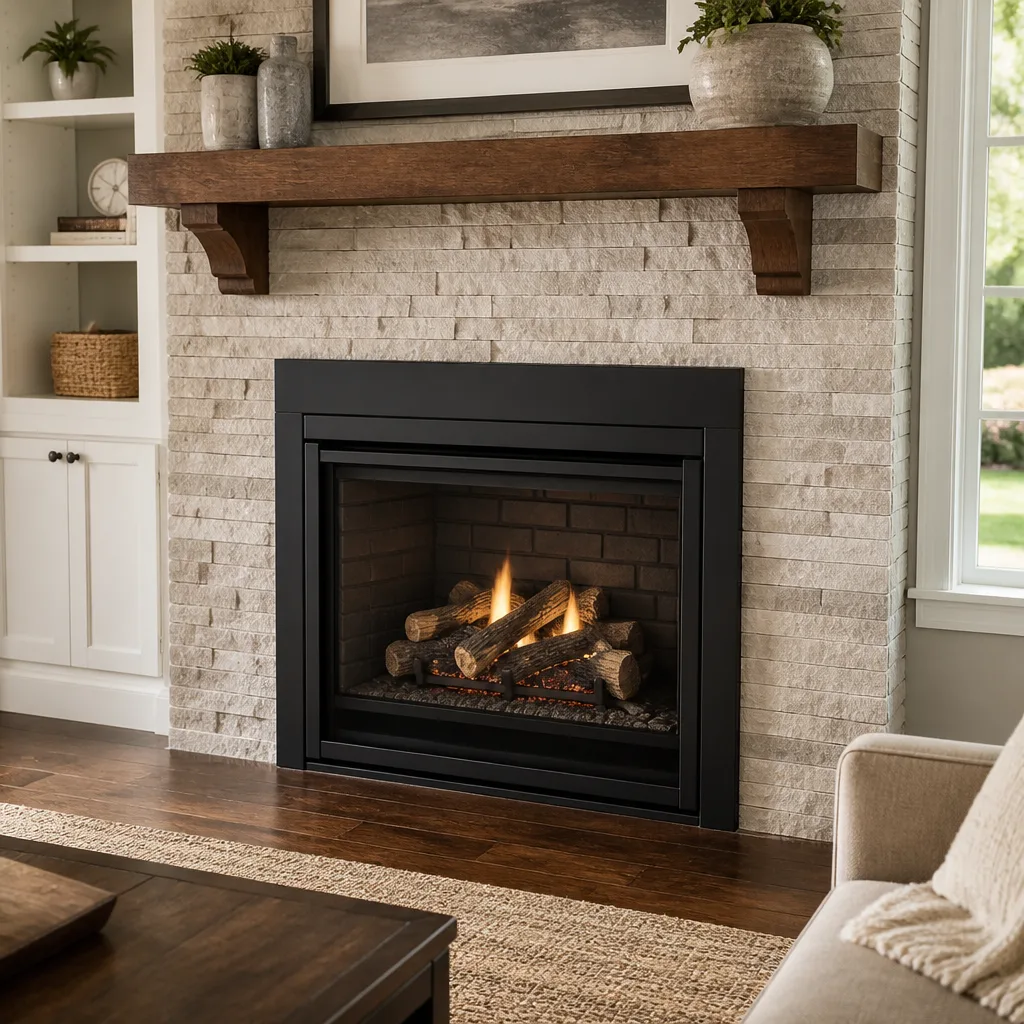 Gas fireplace service
Level 1 sweep and inspection to the NFPA 211 annual standard - flue, crown, cap, and flashing checked and photographed
Chimney sweep logs do not sweep chimneys. They loosen some creosote - which then falls where a brush and vacuum still have to collect it.
How to Hire a Chimney Cleaning Contractor in Stapleton: A Step-by-Step Guide
Anyone with a brush, a ladder and a van can print a business card that says “chimney sweep.” That’s the uncomfortable truth of this trade. There’s no state licensing board for chimney sweeping in New York, no mandatory exam, no minimum tool list. The certifications that actually mean something – CSIA for sweeps and NFI for fireplace work – take real study and annual renewal, but a certificate is a piece of paper, and paper can be faked. What protects you isn’t a logo on a website. It’s knowing exactly how to verify a credential, read an insurance certificate, and spot a vague quote before you sign it. This guide gives you that framework, written from inside the trade in Stapleton, so you can tell a credentialed full-system specialist from a low-bid generalist before the work starts.
Quick Answer
To hire a chimney contractor in Stapleton, verify their CSIA and NFI credentials through the official online lookup tools, request a certificate of insurance showing both general liability and workers’ compensation, insist on a camera inspection before any repair is quoted, and compare written estimates line by line – sweep, inspection, materials by brand and model, disposal. A legitimate contractor will welcome all four steps. A low-bid generalist will resist at least one.
Styles & brands we work with
- Sweep & inspection
- Caps & crowns
- Flue relining
- Masonry repair
- Gas fireplace service
Table of Contents
- Why Hiring a Chimney Contractor Is Harder Than It Looks
- How Do You Verify CSIA and NFI Credentials?
- What Should a Chimney Contractor’s Insurance Actually Cover?
- What Are the Red Flags Specific to Chimney Work?
- How Do You Compare Chimney Quotes Apples-to-Apples?
- Why Does the Lowest Bid Usually Mean a Hidden Shortcut?
- Why Does Full-System Capability Matter in Stapleton?
- The Vetting Questions to Ask Before You Book
Why Hiring a Chimney Contractor Is Harder Than It Looks
Most home service trades have a paper trail you can follow. Electricians need a license. Plumbers need one too. Chimney sweeping, in most of the country including New York, has no such gate. That gap is exactly where the trouble starts, because the two failure modes in this trade look identical on a business card but wildly different on your roof and in your flue.
A credentialed full-system specialist can sweep, inspect, repair a crown, resurface a flue, install a flexible liner and rebuild firebox masonry. A generalist with a brush can sweep. When the generalist finds something wrong – and they often do, because every chimney has something worth noting – they either subcontract the repair to someone you’ve never met, or they quote a fix they aren’t equipped to do correctly. That’s where the miscommunication and the callbacks come from.
Stapleton adds its own wrinkle. The housing stock here spans a wide range of ages, and older chimneys were often built with flue configurations – offsets, irregular shapes, parged interiors – that don’t fit modern rigid liner assumptions. A contractor who only knows one repair pathway will try to force your chimney into it. Someone who knows several will pick the one that actually fits. That difference is worth more than any price comparison, and it’s the reason we’ve built our service around the full chimney lifecycle rather than a single task.
The good news: the vetting process is concrete. Four checks – credentials, insurance, inspection-first protocol, and itemized quotes – will separate the field for you in about the time it takes to make a few phone calls.
How Do You Verify CSIA and NFI Credentials?
You verify a chimney sweep’s credentials by looking them up yourself in the official online registries – the Chimney Safety Institute of America (CSIA) maintains a searchable list of certified sweeps, and the National Fireplace Institute (NFI) maintains one for certified fireplace and hearth specialists. Don’t take a certificate photo at face value. The lookup takes two minutes and it’s the single most useful step in this guide.
What a valid certification actually looks like
When you pull a sweep up in the CSIA lookup, you should see a name that matches the person arriving at your door, a certification status of active, and an expiration date in the future. CSIA certification requires passing an exam and completing continuing education to renew, so an expired listing is a genuine signal, not a technicality. The NFI lookup works the same way for hearth specialists. If the name on the certificate and the name in the registry don’t match, ask why before you book.
What a valid printout looks like: the certifying body’s logo, the certified individual’s name, a certification number, an issue date and an expiration date. What a fake or expired one often looks like: a name that doesn’t appear in the registry at all, a lapsed expiration date the contractor hopes you won’t notice, or a scanned certificate with the number whited out. If a contractor can’t tell you their certification number so you can look it up, that’s your answer.
The two-minute checklist
- Ask for the full name of the certified technician who will actually perform the work. Not the company name – the person.
- Search that name in the CSIA online lookup. Confirm the status is active and the expiration hasn’t passed.
- If fireplace or hearth work is involved, repeat the search in the NFI lookup.
- Confirm the technician’s name matches the person at your door when the job begins.
Our technicians have up to 11 years of experience, and we’re glad to give you the certification details you need to run these checks. A contractor with nothing to hide will hand them over without hesitation. If the response is a deflection – “we’re fully certified, don’t worry about it” – move to the next name on your list.
What Should a Chimney Contractor’s Insurance Actually Cover?
A legitimate chimney contractor’s insurance certificate should show two things: general liability coverage and workers’ compensation coverage. General liability protects your home if the work damages it. Workers’ compensation protects you if a technician is injured on your property. Ask for the certificate of insurance and confirm both lines are active – one without the other leaves a real gap.
Requesting it isn’t awkward. The script is simple: “Before we book, can you send a certificate of insurance showing general liability and workers’ comp? Our homeowner’s policy requires it.” Most contractors get this request regularly and have the certificate ready to email. The ones who fumble it, promise to send it later, or say “we’re covered, don’t worry” are telling you something.
What to look for on the certificate
- Named insured that matches the company you’re hiring, not a different name entirely.
- General liability with a coverage limit listed and a policy expiration date in the future.
- Workers’ compensation listed as active, not marked as exempt unless the contractor genuinely has no employees.
- Certificate date that’s recent – a certificate from several years ago may reflect a policy that’s since lapsed.
One more thing worth knowing: the certificate should have a current expiration date. Insurance renews annually, and a contractor whose policy lapsed last year but who’s still handing out the old certificate is running uninsured. Ask for a current copy each time you book, not just the first time. It’s a small inconvenience that protects you from a large one.
What Are the Red Flags Specific to Chimney Work?
The clearest red flag in chimney work is a repair quote delivered before a camera inspection is complete. A flue is a hidden space. Nobody can see its interior condition, its liner integrity, or its smoke-chamber parging without a camera. A contractor who quotes a liner replacement without scoping the flue is guessing, and the guess will usually land on the most expensive repair.
Watch for these specific patterns. Each one is a signal that the contractor is working from a price sheet rather than from what your chimney actually needs.
The five red flags that matter most
- Repair quote before camera inspection. The inspection comes first, always. We inspect it before we touch it, and any contractor worth hiring holds to the same protocol.
- Liner replacement recommended on a flue they haven’t scoped. A flue has to be measured and viewed before anyone can say whether a flexible liner, a rigid liner, or a resurfacing approach is right. Recommending replacement sight unseen is a sales move, not a diagnosis.
- Flat rate quoted over the phone for a flue they haven’t measured. Chimney work scales with flue length, shape, offsets and access. A precise price before anyone has been on the roof is either a placeholder or a bait number.
- No written estimate. The scope, the materials by brand and model, and the disposal line item should all be on paper. Verbal promises don’t survive the invoice.
- Pressure to decide on the spot. A legitimate contractor gives you the inspection report, explains the options, and lets you think. Urgency in chimney repair is seasonal, not hourly – usually tied to the approach of burning season, not to a discount that expires tonight.
There’s a sixth, softer flag worth noting: a contractor who can’t tell you which brand of liner or crown material they’d use, or why. Trade-level product knowledge shows up in specifics. A full-system specialist names the material and explains the fit. If the answer is “whatever’s standard,” that’s a generalist.
How Do You Compare Chimney Quotes Apples-to-Apples?
You compare chimney quotes by forcing each one onto the same line-item structure: sweep, inspection, materials by brand and model, labor, and disposal. When two quotes share that structure, the comparison is honest. When one quote is a single number and the other is itemized, you’re comparing a price to a piece of fog.
Here’s the line-item structure every chimney estimate should follow. If a quote is missing one of these lines, ask for it in writing before you sign anything.
- Sweep – what’s being cleaned, and whether the firebox, smoke shelf and damper are included or billed separately.
- Inspection – what level of inspection is being performed, and whether a camera inspection and photo report are part of the price or an add-on.
- Materials by brand and model – not “liner” but “DuraFlex flexible liner” or “HeatShield resurfacing compound,” named specifically. The brand tells you what quality tier you’re buying.
- Labor – whether it’s included in the materials line or broken out separately, and whether the total is flat or hourly.
- Disposal – debris removal, old liner haul-away, and dump fees. This is often the line a vague quote quietly omits.
What a vague quote is usually hiding
A quote that says only “chimney repair – $X” is hiding scope, not just price. It may exclude disposal, may assume a shorter flue than yours, may not include the crown work the job actually requires, or may price a lower-tier material and substitute up when the work begins. The purpose of itemization isn’t paperwork. It’s to make the shortcut visible before you’ve paid for it.
Ask each contractor for a written estimate structured this way. If one resists, that’s a data point. The written estimate sets the final price, and any legitimate contractor will put it in writing before touching your roof.
Why Does the Lowest Bid Usually Mean a Hidden Shortcut?
The lowest bid in chimney work almost always means a shortcut somewhere the homeowner can’t see: an unlined reline, a skipped smoke-chamber parge, or a liner installed without the insulation and connections the flue requires. These are invisible on the day of install and expensive to correct later. The price gap between quotes is usually the shortcut, not the margin.
Two shortcuts come up more than any other. The first is an unlined reline – a stainless liner dropped into the flue without the insulation or the proper connection at the top and bottom that make it perform. It looks finished from the roof. It fails within a heating season or two. The second is a skipped smoke-chamber parge. The smoke chamber is the sloped space above the damper, and it’s supposed to be smooth and sealed so creosote doesn’t collect in its corners. Skipping the parge saves labor and leaves a rough surface that accumulates buildup faster than a smooth one.
How to spot the shortcut in writing
- “Liner” with no brand, model or insulation spec. A real estimate names the product and whether it’s insulated.
- No smoke-chamber line item on a repair job that clearly needs it. It should be listed and priced, or the estimate should explain why it isn’t required.
- Disposal missing. If the old liner or masonry debris isn’t a line item, someone’s eating that cost – or passing it to you later.
- A labor number that’s suspiciously low relative to the material spec. The shortcut is usually labor, not material.
The right repair, not the most expensive one. That’s the standard we hold to, and it’s the standard you should hold any contractor to. If a quote is chasing the lowest number, the shortcut is the reason – and you’ll pay for it twice.
Why Does Full-System Capability Matter in Stapleton?
Full-system capability matters in Stapleton because the housing stock here asks chimney contractors to handle more than one kind of problem on the same property, often on the same visit. Sweeping is the routine task, but a sweep that turns up a cracked crown, a failed damper or a rough smoke chamber needs a contractor equipped to fix it in-house rather than hand it to a second company.
We handle five service categories under one roof: chimney sweep, inspection, chimney cap & crown installation and replacement, fireplace repair, and chimney repair. That’s not a marketing line – it’s the reason we can write one estimate that covers the whole job rather than three estimates that don’t talk to each other.
Why the product depth matters
Older and irregular chimneys need repair pathways that a single-product contractor can’t offer. We install DuraFlex flexible liner systems, which suit the offset and irregularly shaped flues that rigid liners can’t serve. We use HeatShield ceramic resurfacing as a repair pathway for flues that qualify, so a damaged flue can often be resurfaced in place rather than lined. We fit Gelco and Famco components for cap and crown work – purpose-built parts rather than improvised sheet-metal fixes. The result is that the estimate you get reflects the right repair for your chimney, not the only repair the contractor knows how to sell.
That matters most on older Stapleton homes. A rigid-liner-only contractor will look at an offset flue and quote a tear-out. A contractor trained on flexible systems will look at the same flue and quote a liner that actually fits. Same problem, wildly different scope. Single-source accountability also cuts down on the handoff problem – one company diagnoses the issue and completes the fix, which is where communication usually breaks down between a sweeper and a separate repair contractor.
If you want to see the full range of what we handle, start at Chimney Sweep Stapleton and follow the service links from there.
The Vetting Questions to Ask Before You Book
These questions are designed to surface the answers a generalist can’t fake. Ask them before booking, in a single call if you can. A credentialed full-system specialist answers them in plain language; a low-bid generalist hedges.
- “What’s the name of the certified technician who’ll do the work, and what’s their CSIA or NFI number?” Then look it up yourself in the registry.
- “Can you send a current certificate of insurance showing general liability and workers’ comp?” Ask for it before booking, every time.
- “Will you inspect before quoting?” The answer should be yes, with a camera inspection and photo report included.
- “Which brands and models of liner, crown material or resurfacing compound would you use, and why?” The specific answer tells you whether they know the trade.
- “Is the estimate itemized by sweep, inspection, materials, labor and disposal?” If not, ask for an itemized version in writing.
- “What happens if the inspection finds a problem that can safely wait?” A straight answer means they’ll tell you what can wait and what can’t.
- “Will I get the inspection report and photos to keep?” A documented baseline is useful for insurance and for tracking the chimney over time.
None of these questions is a trap. Every one of them is a courtesy a professional expects. The traps come from contractors who’d rather you didn’t ask – which is exactly the reason this list exists.
Common Mistakes to Avoid
- Hiring on price alone. The lowest bid is usually the shortcut, and the correction costs more than the difference. Compare itemized quotes, not headline numbers.
- Not verifying the certification in the registry. A certificate photo proves nothing on its own. Look the technician up in the CSIA or NFI lookup before booking.
- Skipping the insurance request. It feels awkward once and prevents a real problem later. Ask for the certificate of insurance every time you book.
- Accepting a repair quote without a camera inspection. A liner recommendation on an unscoped flue is a guess dressed as a diagnosis.
- Booking the sweep and forgetting the report. The inspection report is the most useful document you’ll get. Keep it, and use it as the baseline for the next visit.
- Assuming all Stapleton roofs present the same access. Roof pitch, chimney height and surrounding tree cover vary street to street, so the labor side of a quote should reflect your actual access, not a generic assumption.
- Letting one quote stand unreviewed. Two itemized quotes are always easier to read than one. The comparison is where the shortcut shows up.
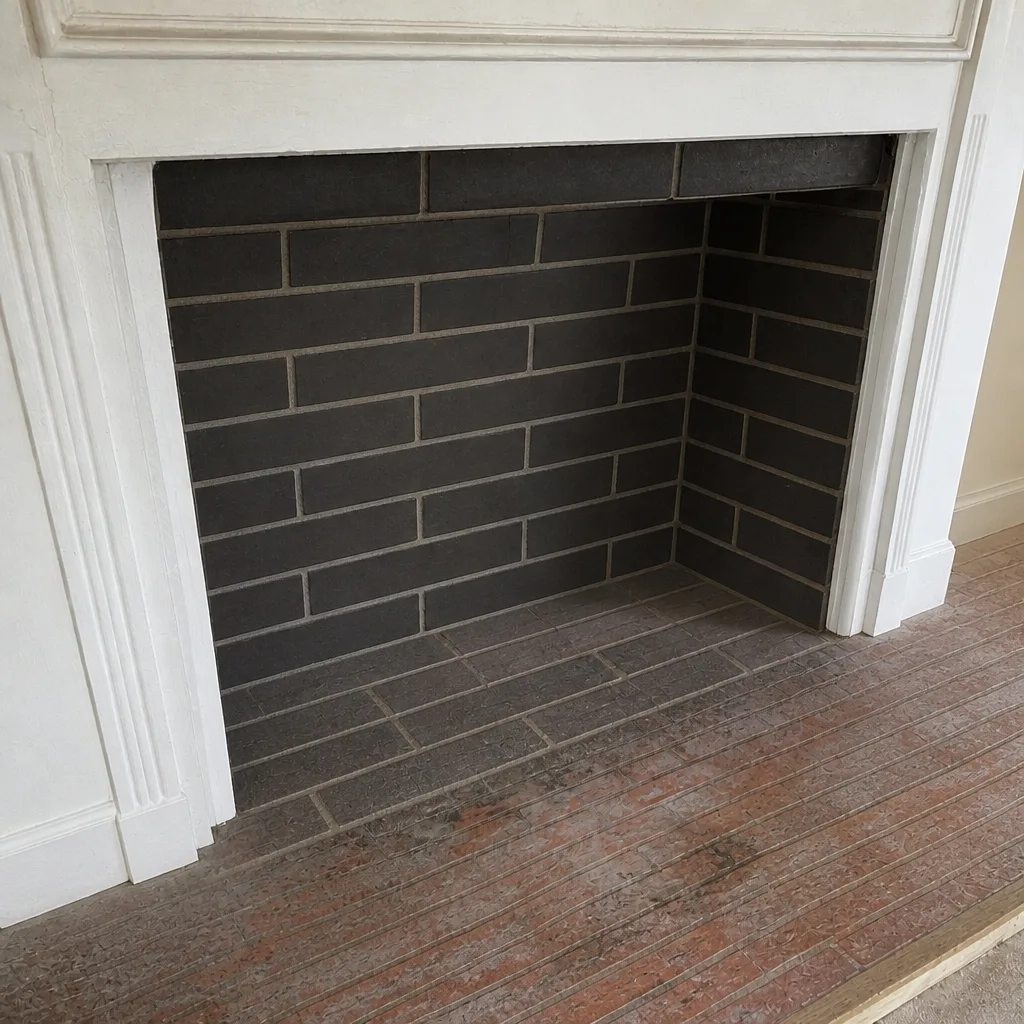
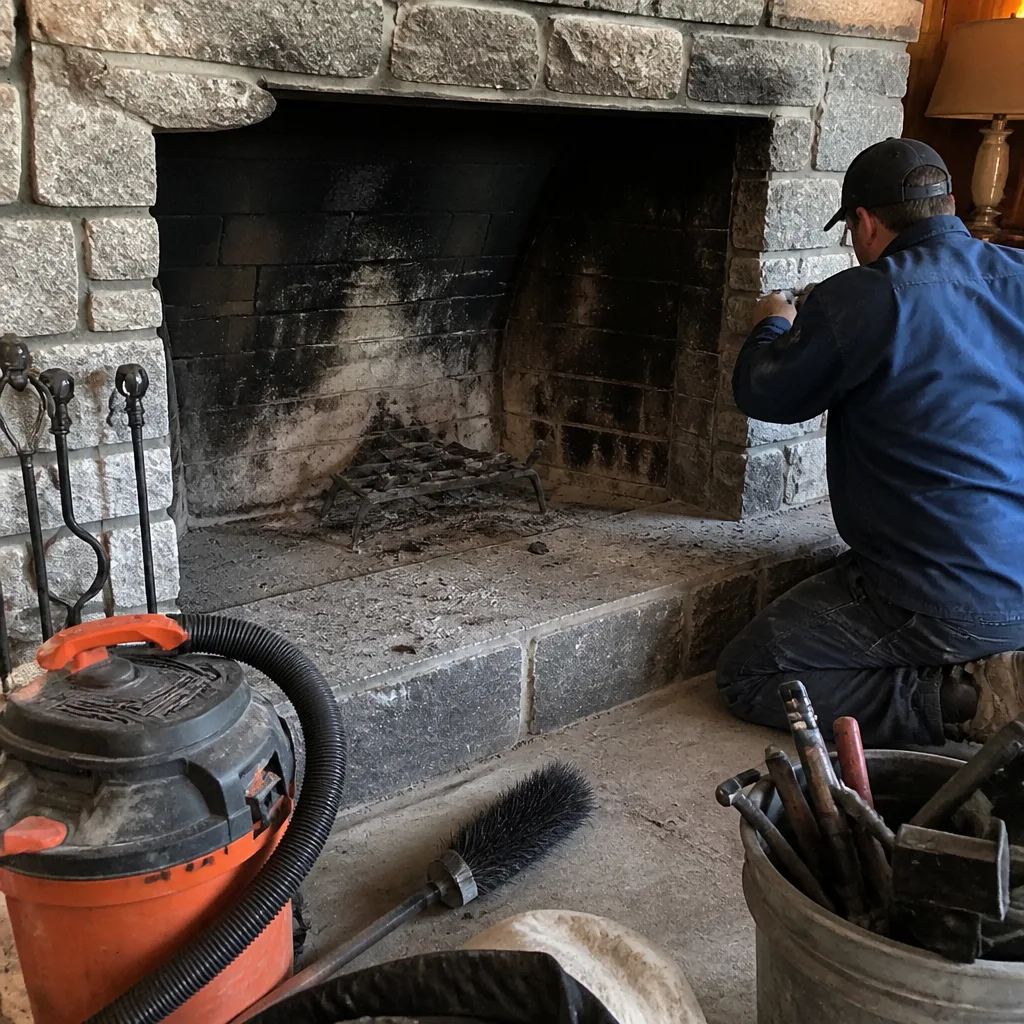
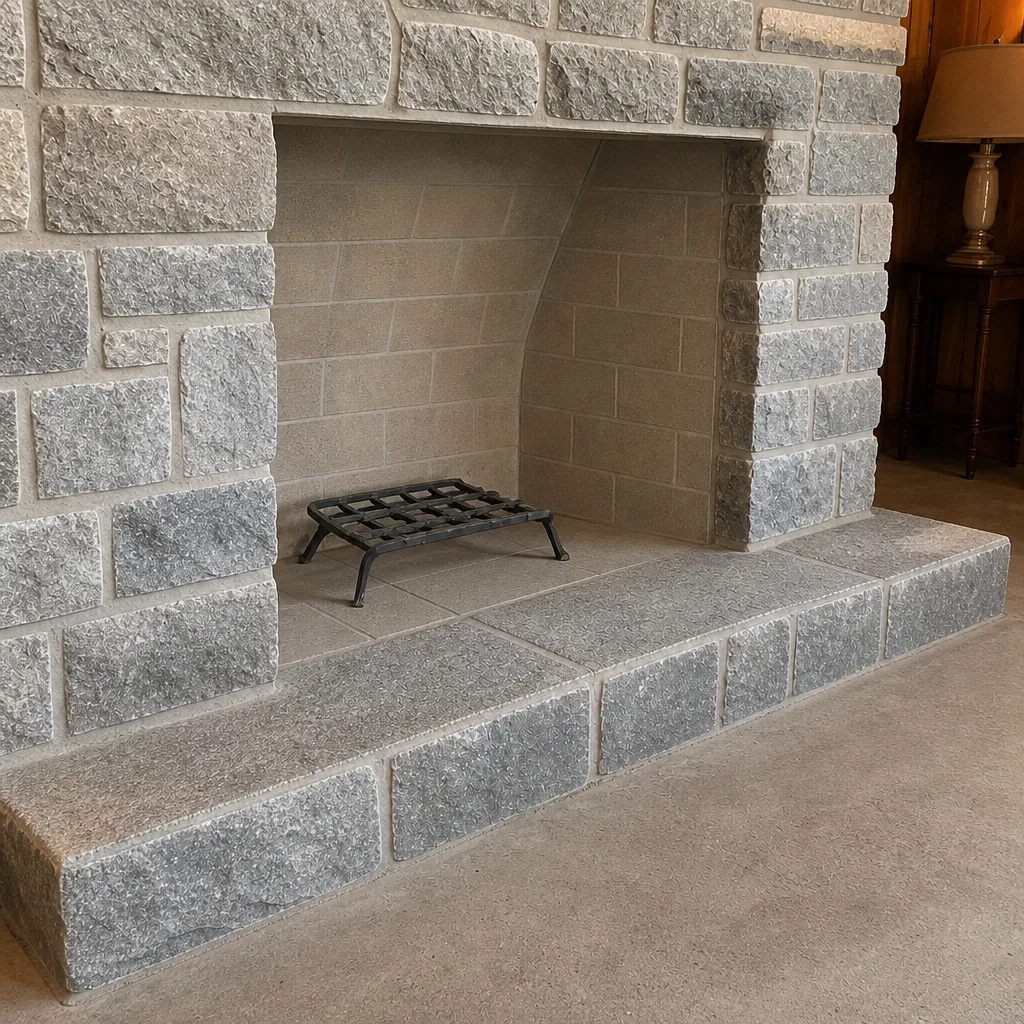
See the difference
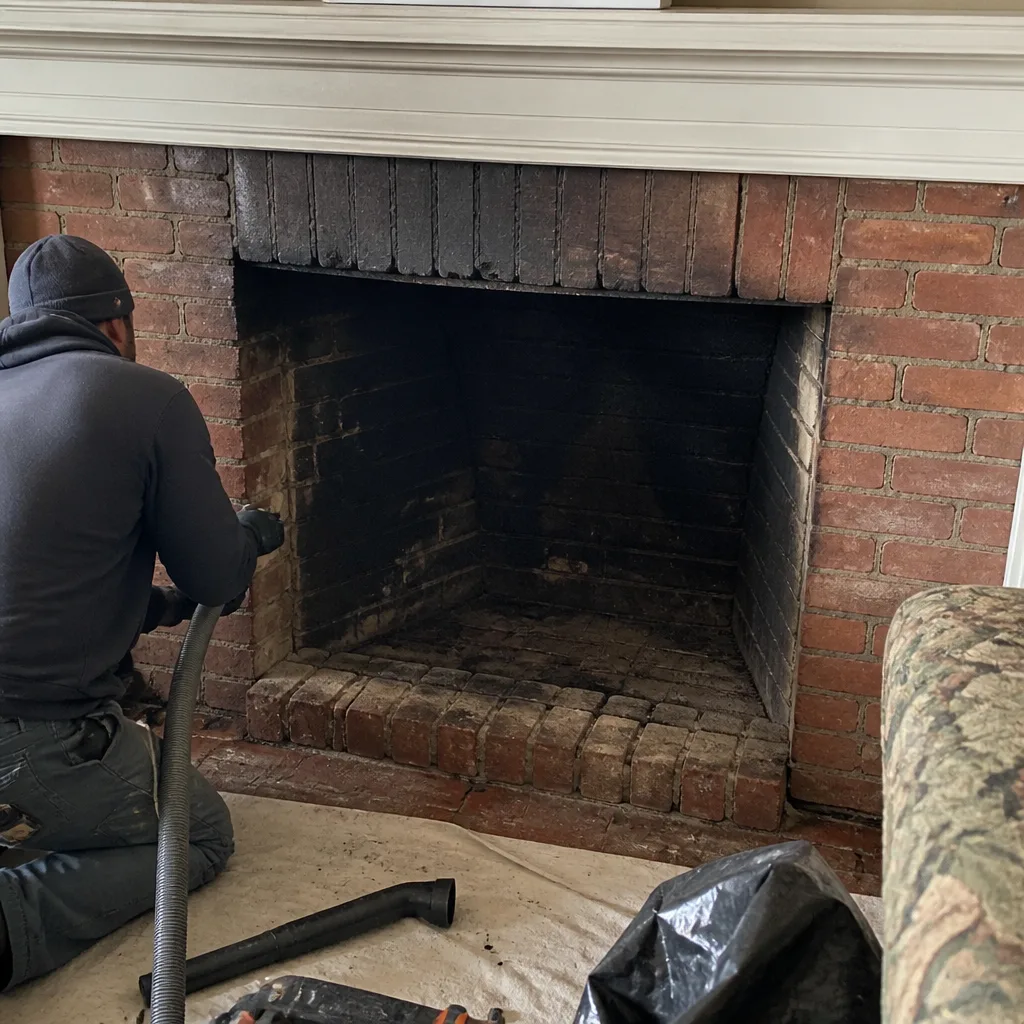 Before
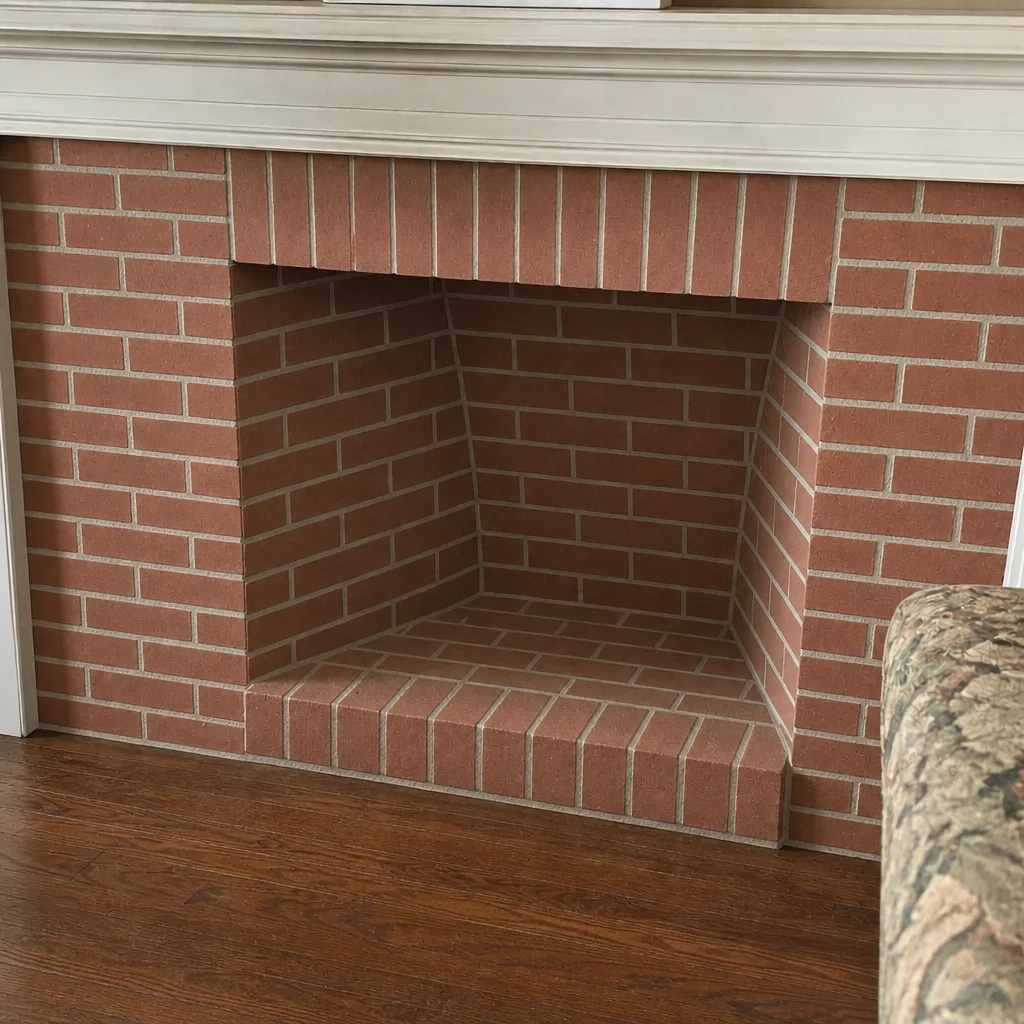 After
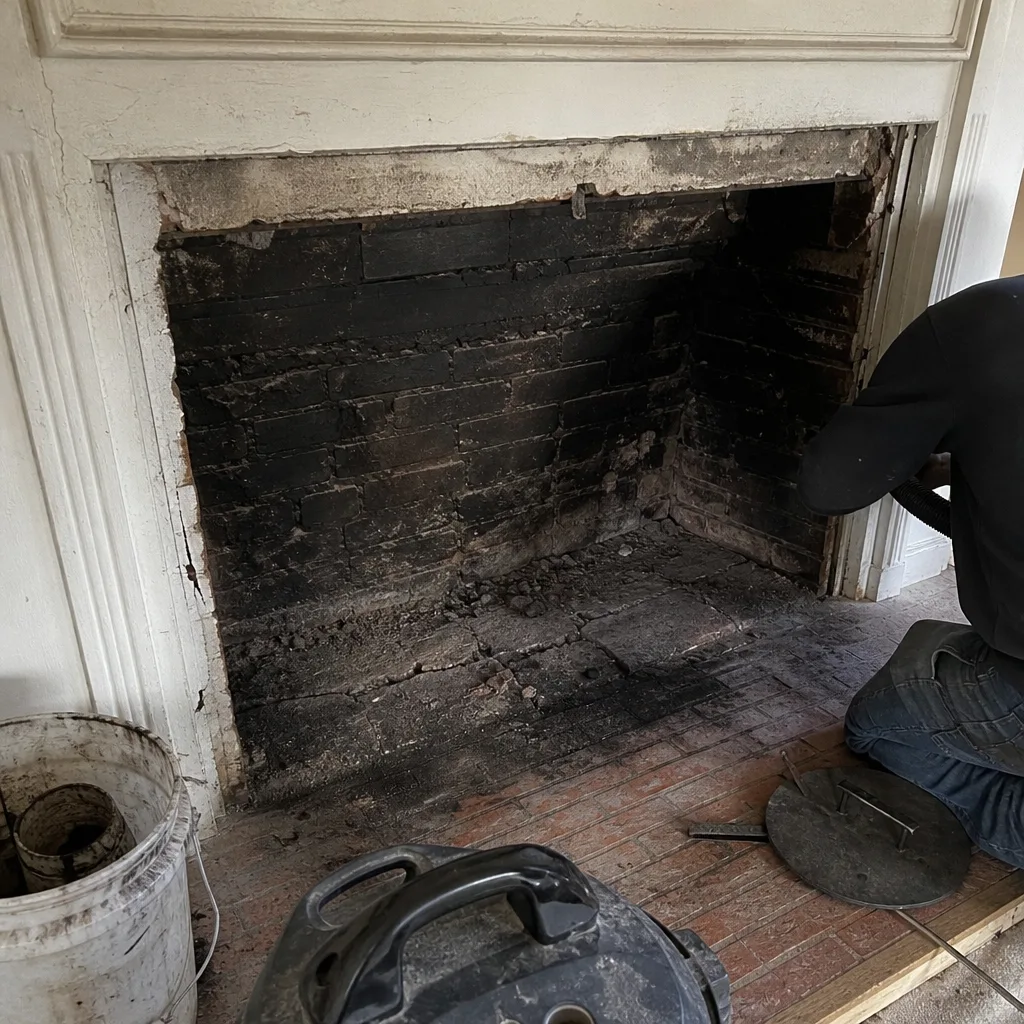 Before
 After
 Before
 After
When to Call a Professional
Call a professional chimney contractor when the flue hasn’t been swept in a year of regular use, when you’ve moved into an older Stapleton home and don’t know the chimney’s history, or when you notice any of the warning signs that point to a flue problem: a strong creosote smell in warm weather, a smoky fire that doesn’t draw, a damper that sticks or won’t seal, or visible damage to the crown or cap from the ground. Call before lighting the first fire of the season if the chimney hasn’t been inspected recently.
We also recommend a professional for anything involving the flue’s interior, the crown, the masonry or the cap. These are the areas where a shorted shortcut causes real problems, and where a camera inspection is the only honest way to see what’s happening. Nothing we recommend happens without camera evidence you can see for yourself, and we’ll tell you plainly when work can safely wait.
Chimney Sweep Stapleton offers free estimates in Stapleton – call (866) 280-5786. We answer 24/7. Fast dispatch from 7am to 7pm, Sunday through Friday.
Frequently Asked Questions
A typical chimney sweep in Stapleton is priced per job by written estimate, since flue length, access and whether an inspection is bundled in all affect the number. The estimate is free, and the written estimate sets the final price – nothing is added after the fact. Call (866) 280-5786 for an exact quote. Estimates are free.
Only if the flue’s condition actually requires it, and only after a camera inspection shows the damage. Not every flue needs a liner – some qualify for HeatShield ceramic resurfacing, which is a code-compliant alternative when the flue meets the criteria, while older and irregularly shaped flues often suit a DuraFlex flexible liner better than a rigid one. Nothing is recommended without camera evidence you can see for yourself. Call (866) 280-5786 for an exact quote. Estimates are free.
Once a year during the burning season is the standard for a chimney in regular use, and sooner if you burn a lot of wood or notice buildup. The annual inspection is what tells you whether the sweep is on schedule or overdue. Call (866) 280-5786 for an exact quote. Estimates are free.
Creosote accumulates in the flue, and the longer it builds the harder it is to remove safely and the greater the chimney fire risk becomes. A skipped sweep also means a skipped inspection, which is how small crown and cap problems become larger ones. Call (866) 280-5786 for an exact quote. Estimates are free.
Often, yes, since we handle sweeping, inspection, cap and crown, fireplace repair and chimney repair in-house rather than subcontracting. The visit starts with the inspection, and the estimate covers whatever the inspection finds. Call (866) 280-5786 for an exact quote. Estimates are free.
Ask for the inspection photos and a plain-language explanation before agreeing to anything, and don’t sign until you have both. A legitimate contractor walks you through the evidence, tells you what can safely wait, and puts the scope in writing. If that conversation feels like pressure, treat it as a red flag. Call (866) 280-5786 for an exact quote. Estimates are free.
The Bottom Line
Hiring a chimney contractor in Stapleton comes down to four verifiable checks: look up the technician’s CSIA or NFI certification in the official registry, request a current certificate of insurance showing general liability and workers’ comp, insist on a camera inspection before any repair is quoted, and compare itemized estimates that name the materials, the labor and the disposal. A full-system specialist with trade-level product knowledge will pass all four and welcome the questions. A low-bid generalist will resist at least one, and that resistance is the signal you need. The right repair, not the most expensive one, is the outcome worth holding out for.
If you’d like to run these checks against us, we’re glad to help. Call (866) 280-5786 for a free estimate. We answer 24/7. Fast dispatch from 7am to 7pm, Sunday through Friday.
Written by the team at Chimney Sweep Stapleton.