
Last updated November 25, 2026
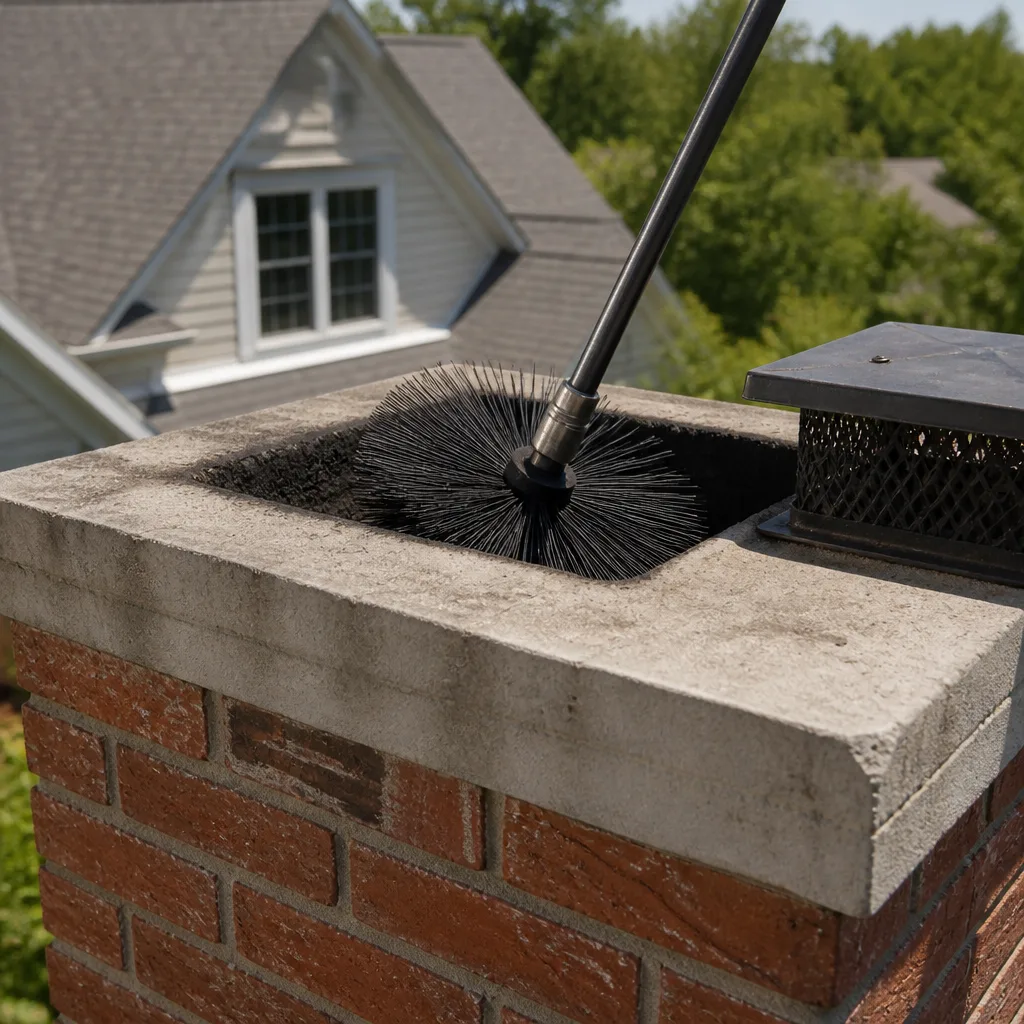 Sweep & inspection
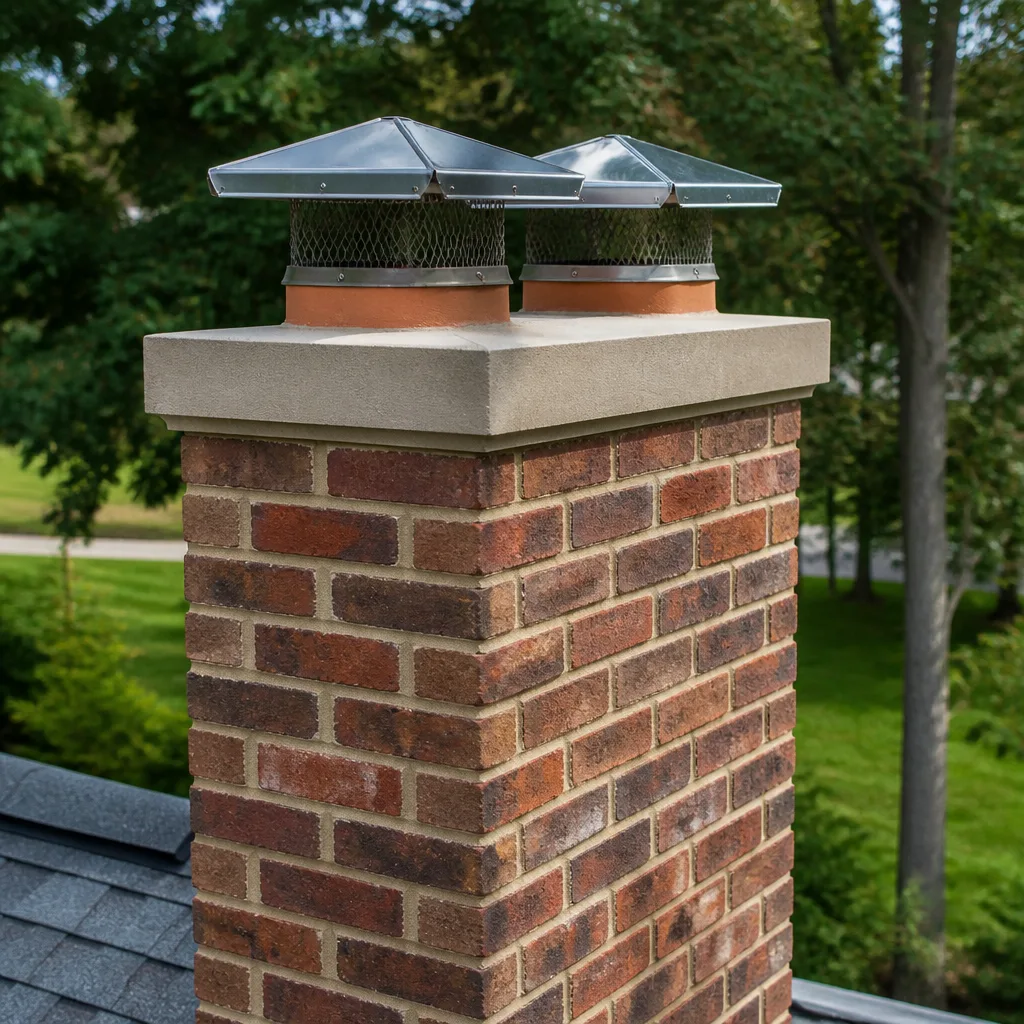 Caps & crowns
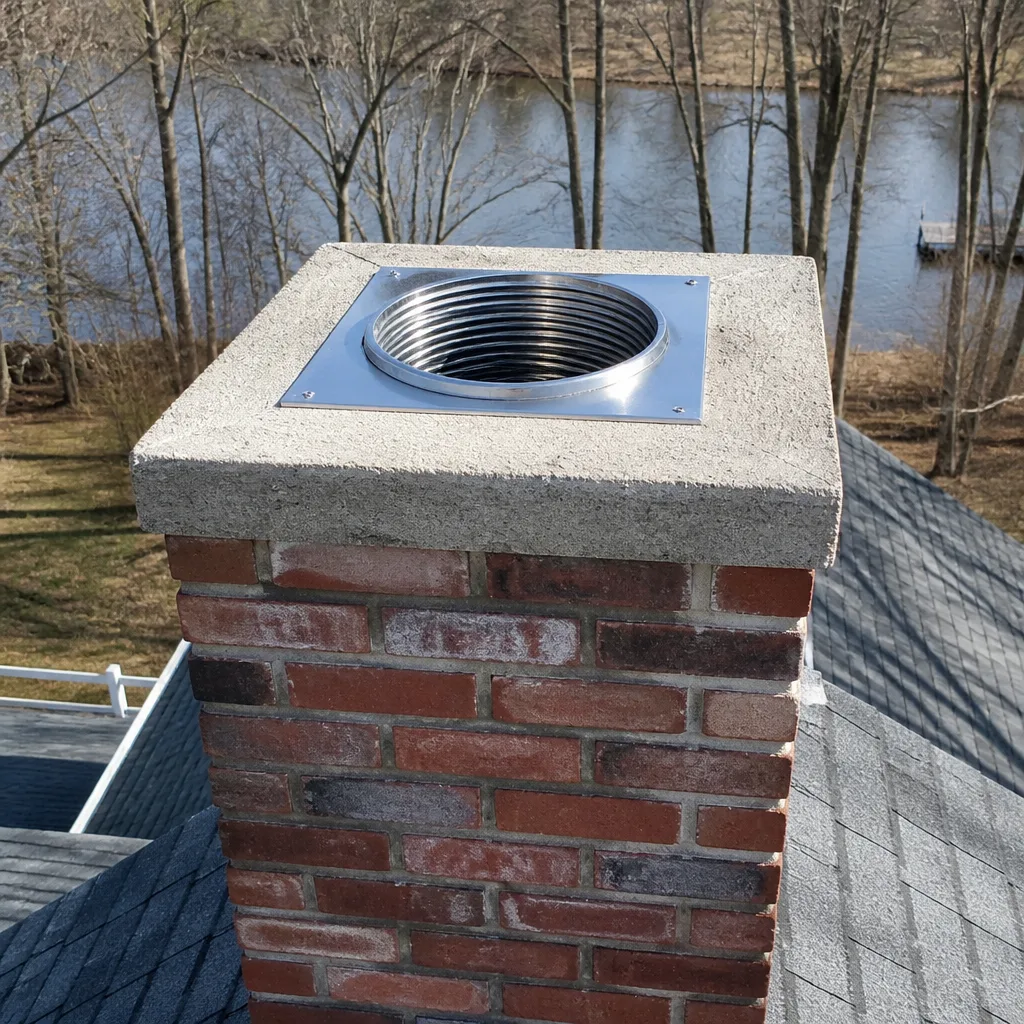 Flue relining
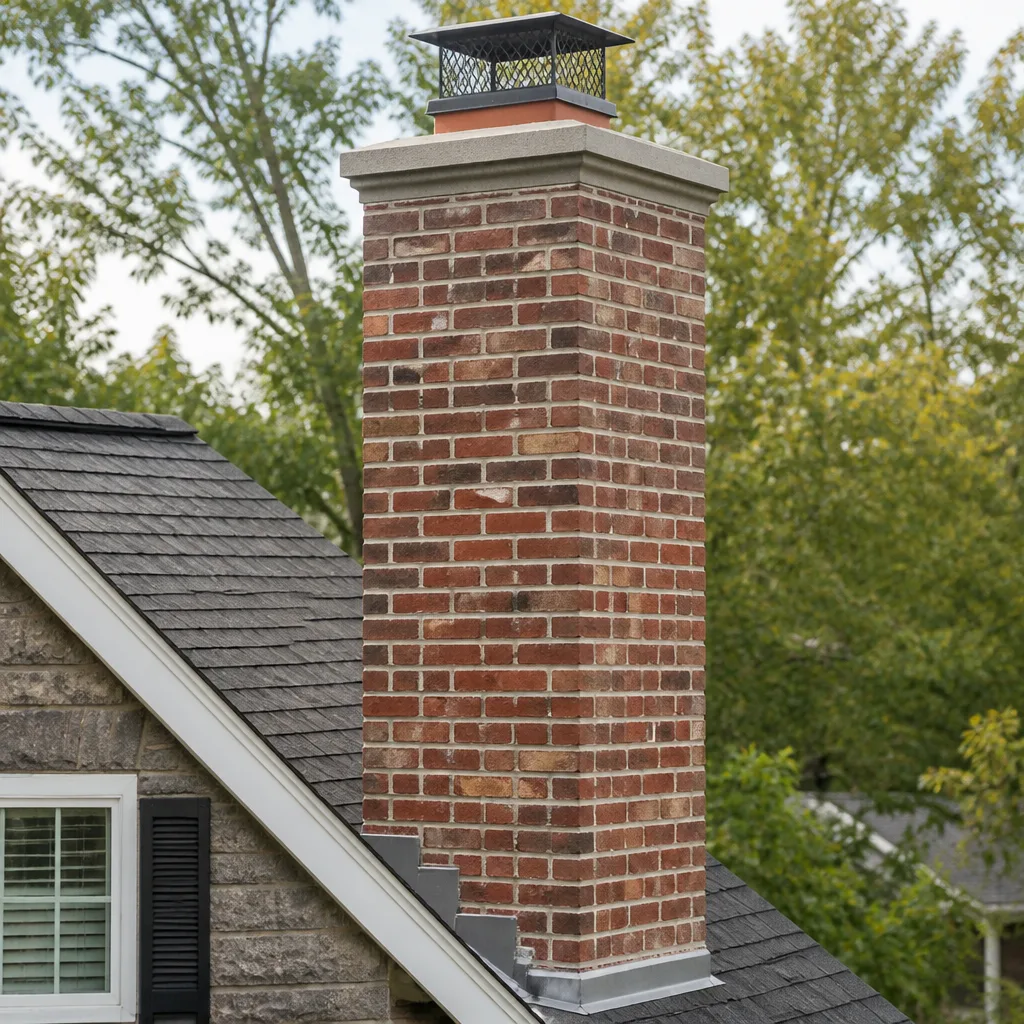 Masonry repair
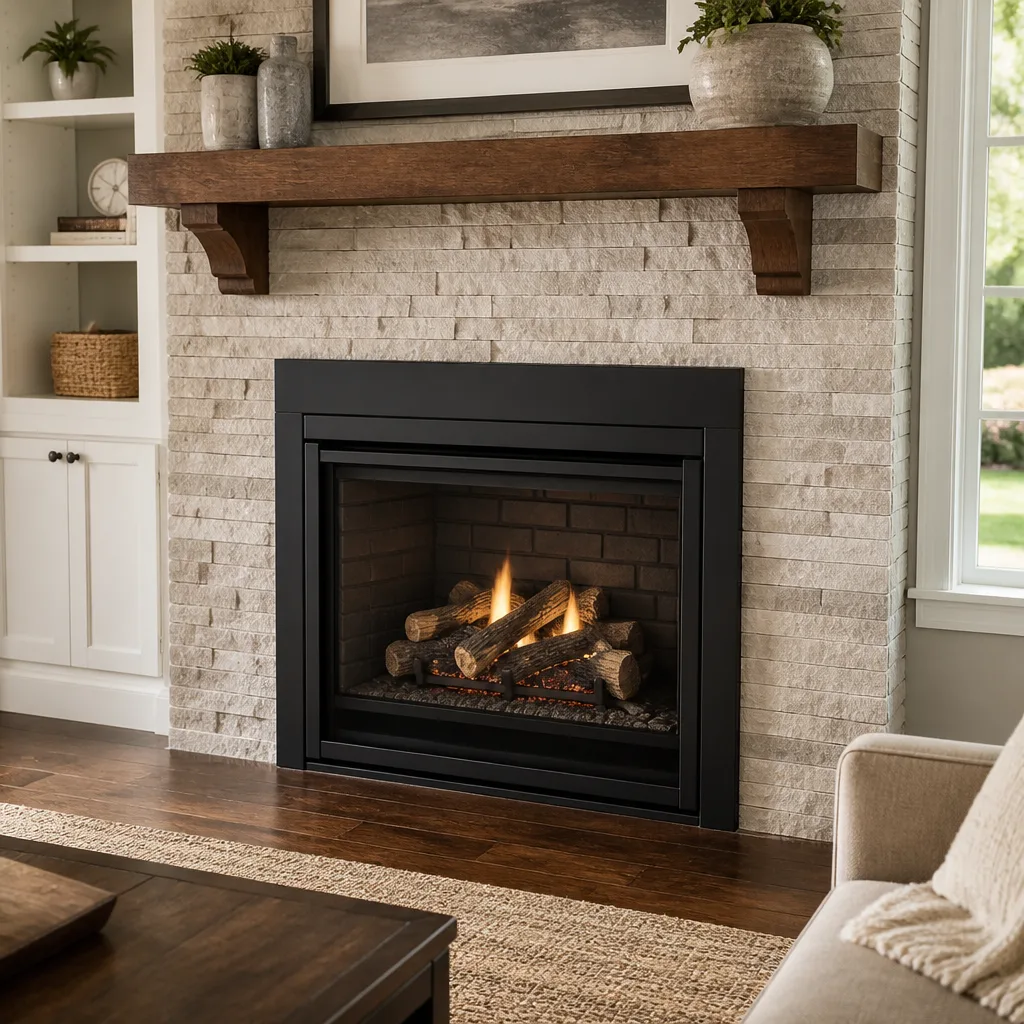 Gas fireplace service
Level 1 sweep and inspection to the NFPA 211 annual standard - flue, crown, cap, and flashing checked and photographed
Chimney sweep logs do not sweep chimneys. They loosen some creosote - which then falls where a brush and vacuum still have to collect it.
Chimney Cleaning Permits, Codes & Inspections in Stapleton, NY: What You Need to Know
Most homeowners assume chimney work never touches the permit office. For routine sweeping, that’s true, and it’s the one part of chimney care that genuinely stays paperwork-free. But the moment a job moves from brushing creosote to installing a liner, rebuilding a smoke chamber, or replacing a cap, the rules change. In Stapleton, which sits inside New York City’s five boroughs, chimney and venting work falls under the NYC Construction Codes and the jurisdiction of the Department of Buildings. That line between permit-exempt and permit-required work is where homeowners get caught, and it’s most often a buyer’s attorney who finds the problem. This guide draws that line clearly so you know exactly what needs a permit, what a proper inspection documents, and how to protect yourself before a sale.
Quick Answer
Routine chimney sweeping and a visual inspection in Stapleton don’t need a permit. Any work that changes the chimney structure or venting system does: installing or repairing a liner, altering the appliance connection, rebuilding masonry, or replacing the crown and cap assembly. Those jobs fall under NYC Department of Buildings permitting requirements, and skipping them can surface during a home sale as an open violation that holds up the transaction.
Styles & brands we work with
- Sweep & inspection
- Caps & crowns
- Flue relining
- Masonry repair
- Gas fireplace service
Table of Contents
- Which codes and agencies govern chimney work in Stapleton
- Permit-exempt vs. permit-required chimney work
- How to pull a DOB work permit for chimney work
- What a code-compliant inspection report needs to document
- How unpermitted chimney work surfaces during a sale
- Why Stapleton’s winters make documentation matter
- Common mistakes to avoid
- Frequently asked questions
Which codes and agencies govern chimney work in Stapleton
Stapleton is a neighborhood on Staten Island’s North Shore, and like the rest of the borough it falls within New York City’s building code jurisdiction. That single fact determines everything about permits and inspections. There’s no separate Stapleton building department and no county-level code authority. The rules come from the city, applied by the NYC Department of Buildings, and the applicable sections are the ones that govern chimneys and venting.
The NYC Construction Codes, including the Mechanical Code, set out how chimneys, chimney connectors, and venting systems must be built, altered, and maintained. Chapter 28 of the 2015 NYC Building Code addresses chimneys and vents directly. What matters for a homeowner isn’t memorizing sections. It’s understanding the principle those sections enforce: any change to the chimney’s construction or to the way an appliance vents through it is a regulated act.
That’s different from maintenance. Brushing a flue clear of creosote and soot doesn’t alter the structure, so it isn’t regulated as construction. Inspecting and documenting condition isn’t either. But when work crosses into repair or replacement, the code treats it as construction activity that requires a filing.
We see this distinction cause confusion all the time in Stapleton. A homeowner clears soot for years without issue, then has a liner installed to address a cracked clay tile and never realizes that second job needed a permit. The work itself may be sound. The missing paperwork is the problem. If you’ve just bought a house here, it’s worth knowing where your chimney stands, and a chimney sweep paired with an inspection is the fastest way to find out before anything becomes urgent.
Permit-exempt vs. permit-required chimney work
The single most useful thing in this guide is knowing which side of the line each job sits on. Here’s how we sort chimney work in Stapleton:
Permit-exempt work
- Routine chimney sweeping. Removing creosote, soot, and debris from the flue is maintenance, not construction.
- Inspection at any level. Visual, camera, and video documentation of your chimney’s condition is diagnostic work. No filing.
- Minor cap-to-flue fitting adjustments. Tightening an existing cap in place or clearing a bird’s nest from the flue is maintenance.
- Cosmetic touch-ups. Repainting trim, without altering the masonry structure or venting path.
Permit-required work
- Liner installation or replacement. Installing a DuraFlex flexible liner or relining a flue changes the chimney’s venting system and requires a filing.
- HeatShield resurfacing. This is a repair to the flue interior, and depending on scope it counts as alteration of the chimney structure. Confirm with the DOB filing requirements for your specific job.
- Appliance connection changes. Adding, swapping, or reconnecting an appliance to the flue changes the venting arrangement.
- Masonry rebuilds. Rebuilding a chimney stack, repairing a cracked crown that changes the structure, or replacing a deteriorated cap-and-crown assembly.
- Firebox or smoke chamber repair that alters the chimney’s construction.
The clearest way to think about it: sweeping and inspecting tell you what your chimney needs. Repairing and replacing change what your chimney is. If the second category applies to you, expect a permit to be part of the job. That’s the premise we build all of our repair planning on.
How to pull a DOB work permit for chimney work
Getting a permit for chimney work involves the NYC Department of Buildings, and the process is more structured than most homeowners expect. Here’s how it typically goes:
- Determine the filing category. Small alterations and repairs usually fall under an alteration category, while structural changes may require a fuller filing. The scope of the work decides this.
- Identify who’s doing the filing. A licensed professional, typically a licensed contractor or engineer, prepares and submits the permit application. This is not a self-serve homeowner form.
- Prepare the drawings and documentation. The filing needs drawings that show the chimney, the appliance venting arrangement, and the proposed alteration, plus the product specifications if you’re installing a new liner or resurfacing the flue.
- Submit to the DOB and wait for plan review. The department reviews the drawings before approval. The timeline varies with the complexity of the job and the department’s current workload.
- Complete the work and schedule inspection. Once the work is finished, a DOB inspection confirms it matches the approved drawings.
- Close out the permit. Keep the final sign-off with your property records. This is the document that clears your chimney at sale.
In our experience, this is far easier when the contractor doing the chimney repair is also prepared to coordinate the filing. It’s one of the reasons we keep the whole lifecycle under one roof: sweeping, inspection, cap and crown, fireplace repair, and chimney repair. When a full liner replacement with a DuraFlex system is part of the job, the scope needs to match the filing, and having one team diagnose and complete the work keeps that clean. Call (866) 280-5786 and we’ll walk through what your specific job requires.
What a code-compliant inspection report needs to document
A chimney inspection isn’t a vibe check. For a report to hold up with the NYC Department of Buildings or an insurance underwriter, it needs documented evidence, not a note that the chimney “looks fine.” Here’s what a proper Level 2 inspection report should include:
- Exterior documentation. Condition of the crown, cap, flashing, and masonry stack, with photos.
- Interior flue condition. Camera inspection of the flue interior, documenting cracks, gaps, offsets, and any obstruction. Video is the standard where the flue can’t be fully inspected visually.
- The venting path. Documentation of how the appliance connects to the flue and whether the connection meets code.
- Clearance documentation. Clearances to combustibles, which is where a lot of older Stapleton homes fall short of current requirements.
- Photographic record. A report with images is what insurance companies and real estate attorneys actually want to see.
- Findings stated plainly. What’s the condition, what needs attention now, and what can wait.
We inspect before we touch anything, and the photo report is part of the deliverable, not an upsell. That matters in Stapleton, where the housing stock ranges from older detached homes tucked into the North Shore’s hills to multi-family buildings near the waterfront and the Staten Island Railway line along Bay Street. Older homes keep their original configuration longer, and hidden issues are common. If you need documentation for an insurance policy, a real estate transaction, or ongoing maintenance planning, the inspection report is your baseline, and it’s worth having it done properly. We also handle the chimney cap & crown work the inspection often flags.
How unpermitted chimney work surfaces during a sale
It starts with a home inspector who notices a shiny new liner in an older chimney, or a cap that doesn’t match the house. The buyer’s attorney pulls the property’s DOB records and finds no permit for the work. Suddenly what was a routine sale becomes a negotiation.
We’ve seen this scenario play out more than once. A liner installed without a permit years earlier can require a full DOB sign-off before the sale closes. The buyer’s lender won’t clear a mortgage on a property with an open, undocumented alteration, and the seller has to either fix it and file retroactively or negotiate a credit. Either way, the closing timeline stretches.
The financial exposure shifts entirely to the seller. Buyers in Stapleton’s competitive market, whether near the Vanderbilt Avenue corridor or in the quieter blocks up toward Grymes Hill, ask for documentation. An unpermited chimney alteration is a known defect that comes with a required fix and no negotiable price tag. The work has to be brought into compliance one way or another.
Our advice to anyone buying or selling in Stapleton is simple: pull the records before you need them. Get a proper inspection that documents the chimney’s actual condition. If you find an undocumented alteration, the fix is a fresh inspection, a filing, and a documented repair, and the same company that diagnoses it can complete it. That single-source accountability is worth more during a sale than a cheaper bid. Call (866) 280-5786 to schedule an inspection that produces a usable record.
Why Stapleton’s winters make documentation matter
Staten Island gets real winters. Freeze-thaw cycles work on masonry, and a crown that’s been cracked through one season can open further the next. Wind off the harbor drives rain against the stack, and any gap in the flashing or cap lets water in. That’s the pattern we work with around Stapleton every year.
The result is that chimney repairs here often get more involved than the homeowner expects. A small crack in a flue tile found in fall becomes a relining project in spring. That’s the whole reason documentation matters. If you’ve had a liner or resurfacing done and it’s on record, the next owner inherits a clean paper trail. If it isn’t, the repair history becomes ambiguous and the buyer has no way to verify the work. Getting ahead of it before winter burns the first creosote of the season is the cheaper path.
The crown and cap are the first line of defense here. When we build or replace them, we use Gelco and Famco components because they’re purpose-made for the job and weather-tight, not improvised sheet metal that will pull loose in its first hard freeze. Purpose-built parts and a documented install are what carry a Stapleton chimney through the winter and through the next sale.
Common Mistakes to Avoid
- Assuming all chimney work is permit-exempt. Sweeping and inspection are paperwork-free. Relining, rebuilding, and cap replacement are not. Know which side of the line your job falls on.
- Installing a liner without a filing. It may function fine for years, but there’s no record of it if the chimney ever needs to be verified. Ask for the permit number before the work starts.
- Skipping the inspection and going straight to repair. A proper inspection comes first, with photos you can see. We inspect before we touch anything. Nothing should be recommended without camera evidence.
- Accepting a verbal “it’s all good” on a home sale. Get a documented inspection report, not a callback. Attorneys and lenders want a paper record.
- Using a generalist for chimney repair. A handyman who’ll re-point a brick isn’t equipped for a code-compliant liner or a HeatShield resurfacing job. The work should match the code requirement.
- Selling a property with an undocumented alteration. Pull the DOB records before listing. Discovering an unpermitted liner during the buyer’s due diligence is the worst timing possible.
- Waiting until the weather turns. The best time to schedule inspection and repair is before the season locks in. Get it documented while the schedule allows.
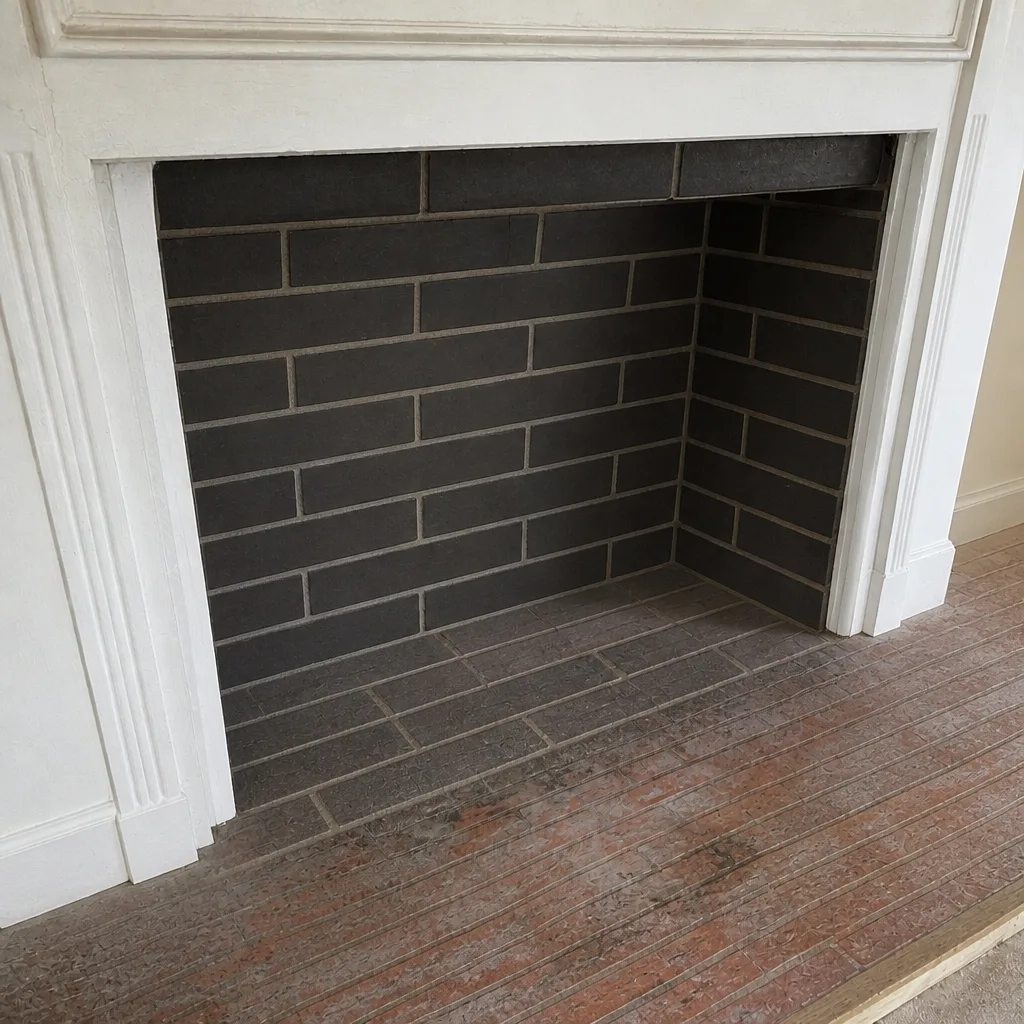
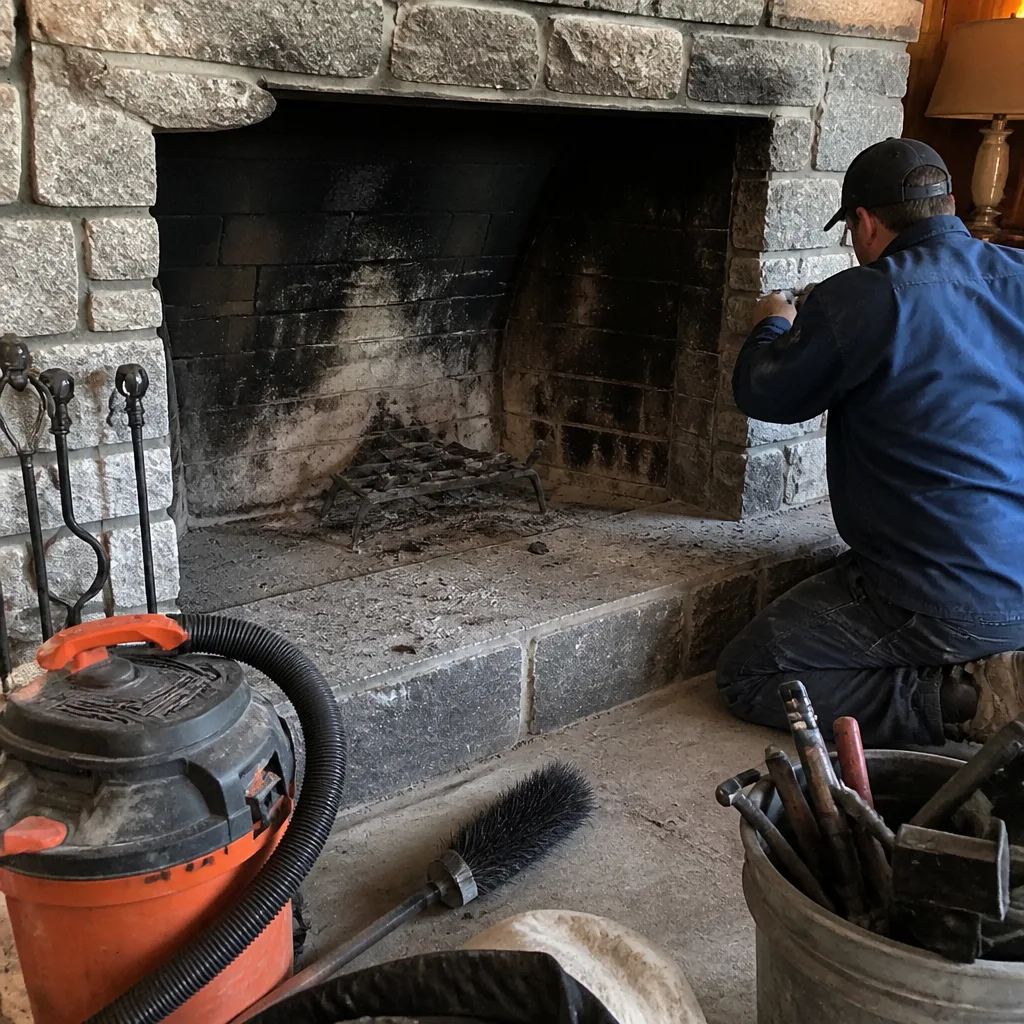
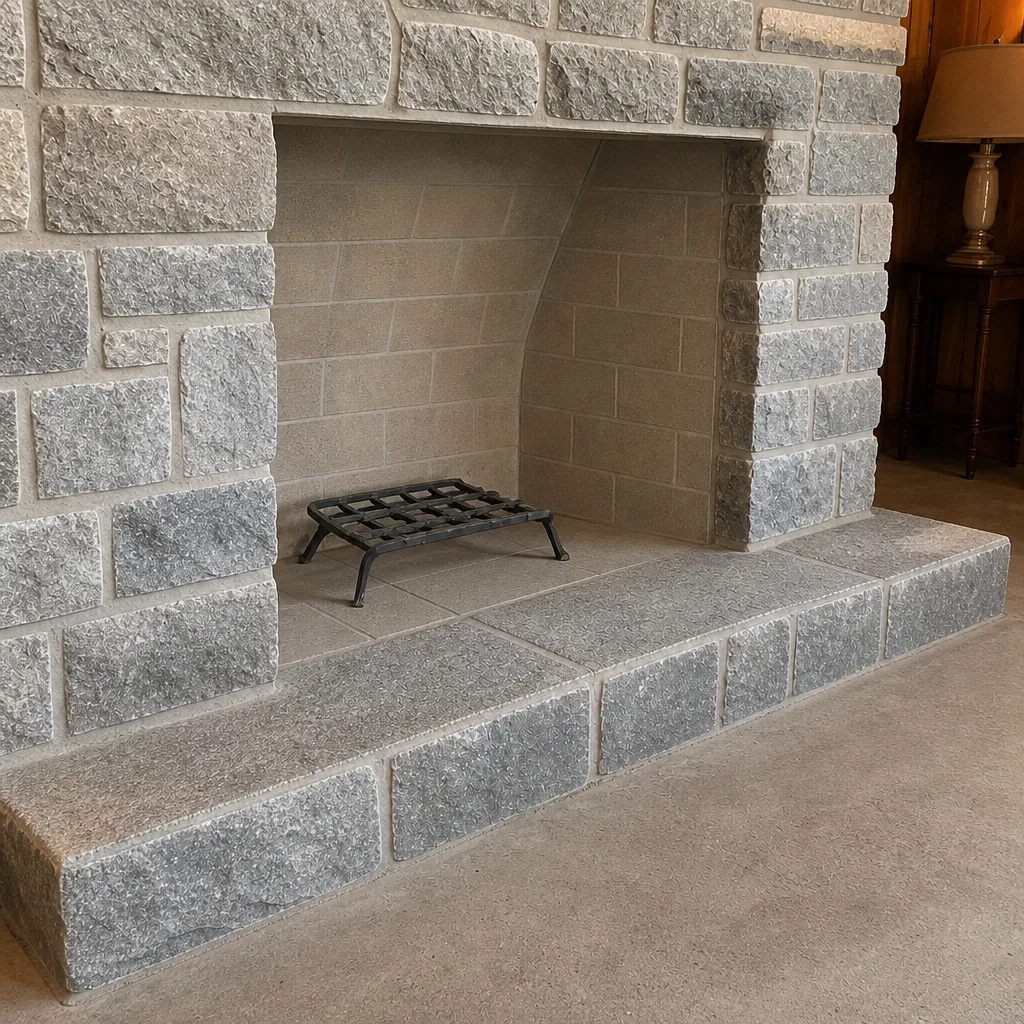
See the difference
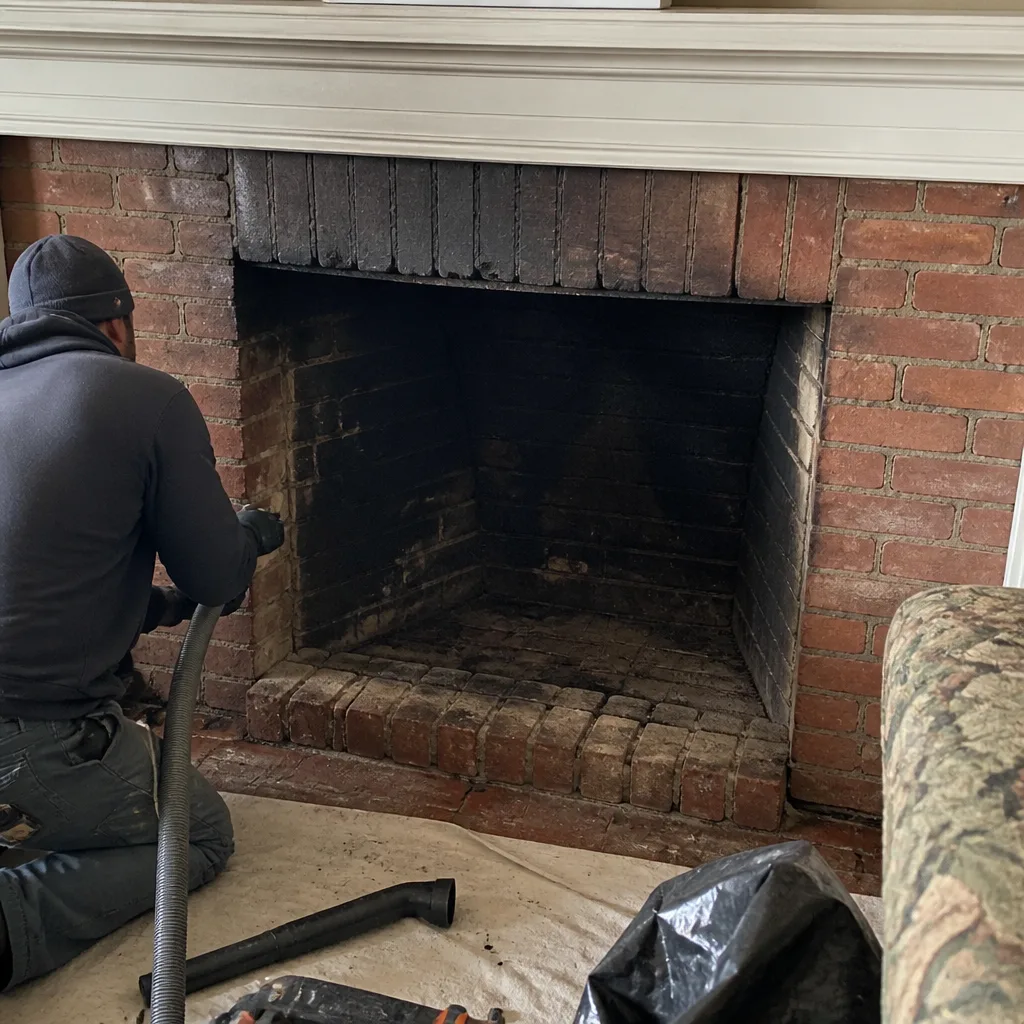 Before
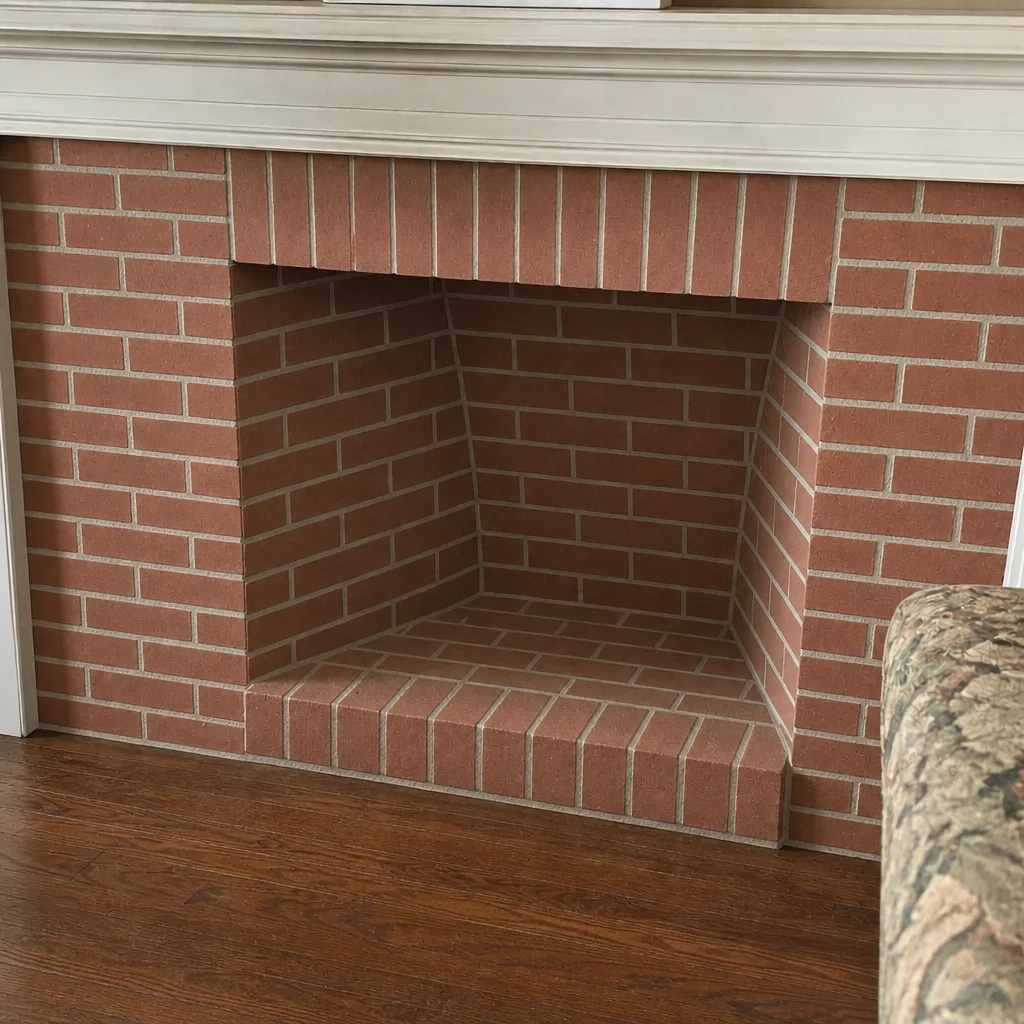 After
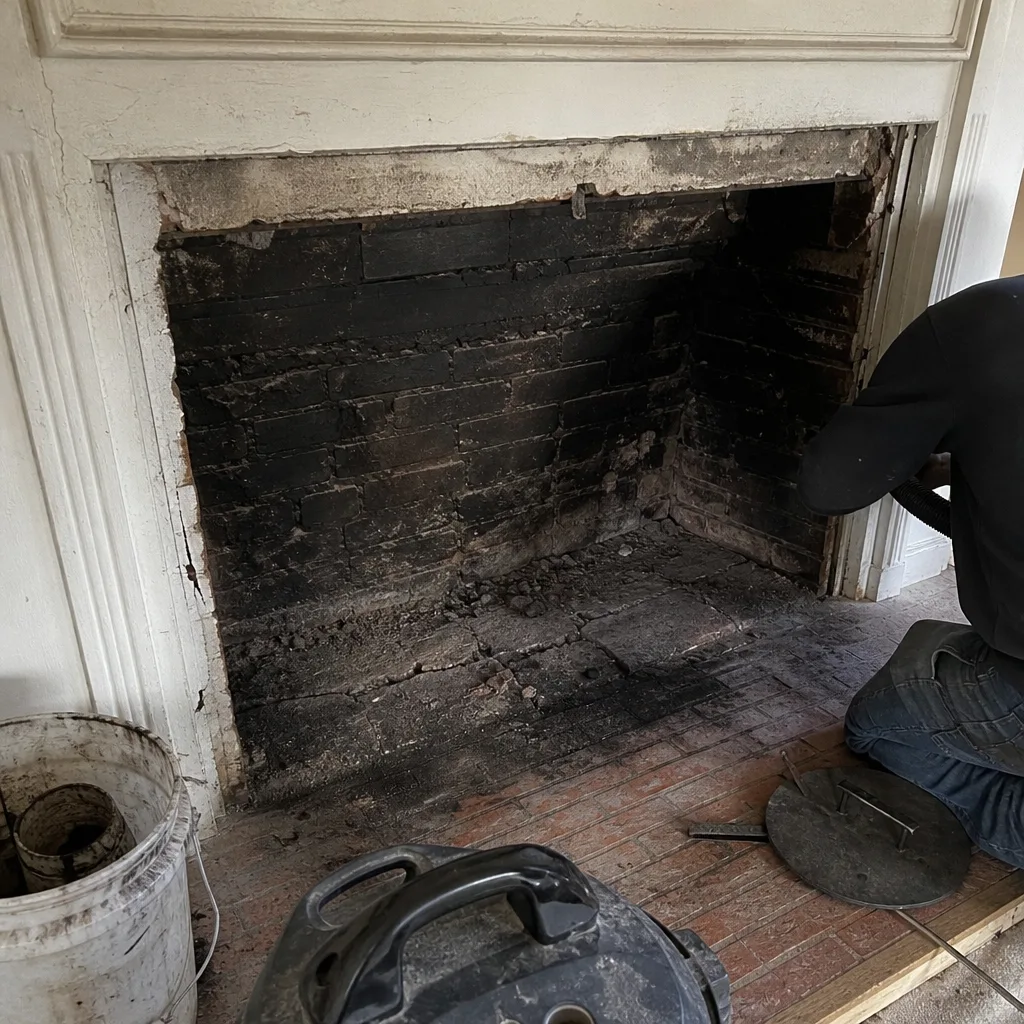 Before
 After
 Before
 After
When to Call a Professional
Call a professional if you’re buying or selling a Stapleton home and there’s no documented chimney inspection on file. Call if your chimney was relined or rebuilt and you don’t have the permit paperwork. Call if you see a cracked crown, loose flashing, or water staining in the firebox, or if you’ve never had the flue inspected and you use the fireplace regularly. And call immediately if you smell gas near the fireplace or see soot blowing back into the room, both of which point to a venting problem that isn’t a maintenance issue. A trained sweep with the right equipment and product knowledge will tell you plainly what needs to happen and what can safely wait. Chimney Sweep Stapleton offers free estimates in Stapleton. Call (866) 280-5786. We answer 24/7. Fast dispatch from 7am to 7pm, Sunday through Friday, closed Saturday.
Frequently Asked Questions
No. Routine chimney sweeping and inspection don’t require a permit. Only work that alters the chimney’s construction or venting system, such as a liner installation, a masonry rebuild, or a cap and crown replacement, falls under NYC Department of Buildings permitting. Call (866) 280-5786 for an exact quote on a sweep or inspection. Estimates are free.
You need a liner repair or replacement only when the inspection shows your flue has cracked tiles, gaps, or gaps in the venting itself. Nothing should be recommended without camera evidence you can see for yourself. If your flue qualifies, HeatShield ceramic resurfacing can restore it without a full liner replacement, and a DuraFlex flexible liner is the choice for older, offset, or irregular flues where a rigid liner won’t fit. Call (866) 280-5786 and we’ll show you what the flue actually looks like.
A Level 2 inspection documents the condition of the flue, the crown and cap, the venting connection, and the clearances to combustibles, and it produces a photographic record. That report is what a buyer’s attorney, an insurance underwriter, and the DOB will look for. Our inspection service provides a documented baseline that holds up as part of your property records. Call (866) 280-5786 to schedule one before your transaction gets tight.
The work may function fine, but there’s no DOB record of it, and that can create a problem when you sell. Buyers and their lenders require documentation, and an unpermitted liner or rebuild can stall a closing while it’s brought into compliance. Getting the permit up front, with the inspection and the final DOB sign-off, is the cheaper and cleaner path. Call (866) 280-5786 to walk through your job scope.
There’s no fixed timeline. The NYC Department of Buildings reviews drawings and issues a permit, and the timeline varies with the complexity of the job and the department’s workload. What we can do is prepare the scope, the drawings, and the product specs accurately so the filing is clean the first time, which is the biggest lever on time. Call (866) 280-5786 and we’ll help you understand what your job will need.
A handyman can sweep a flue, but a job that needs a permit should be done by someone trained in chimney work with the right materials and the ability to coordinate the filing. We stock and train on six professional product lines, including DuraFlex, HeatShield, Gelco, Olympia Chimney, Famco, and Copperfield, and we handle sweeping, inspection, cap and crown, fireplace repair, and chimney repair under one roof. For fireplace repair or a liner that needs documenting, call (866) 280-5786.
The Bottom Line
The permit question in Stapleton comes down to one simple test: is the work maintenance or construction? Sweeping and inspection are maintenance and stay paperwork-free. Any alteration to the chimney’s structure or venting system, from a liner to a crown, is construction and falls under NYC Department of Buildings rules. The record you build around that work, with a proper inspection report and a closed permit, is what protects you at sale. If you’re unsure where your job stands, get the inspection first, see the evidence, and plan from there. Call Chimney Sweep Stapleton at (866) 280-5786 for a free estimate. We answer 24/7. Fast dispatch from 7am to 7pm, Sunday through Friday, closed Saturday.
Written by the team at Chimney Sweep Stapleton.