
Last updated November 25, 2026
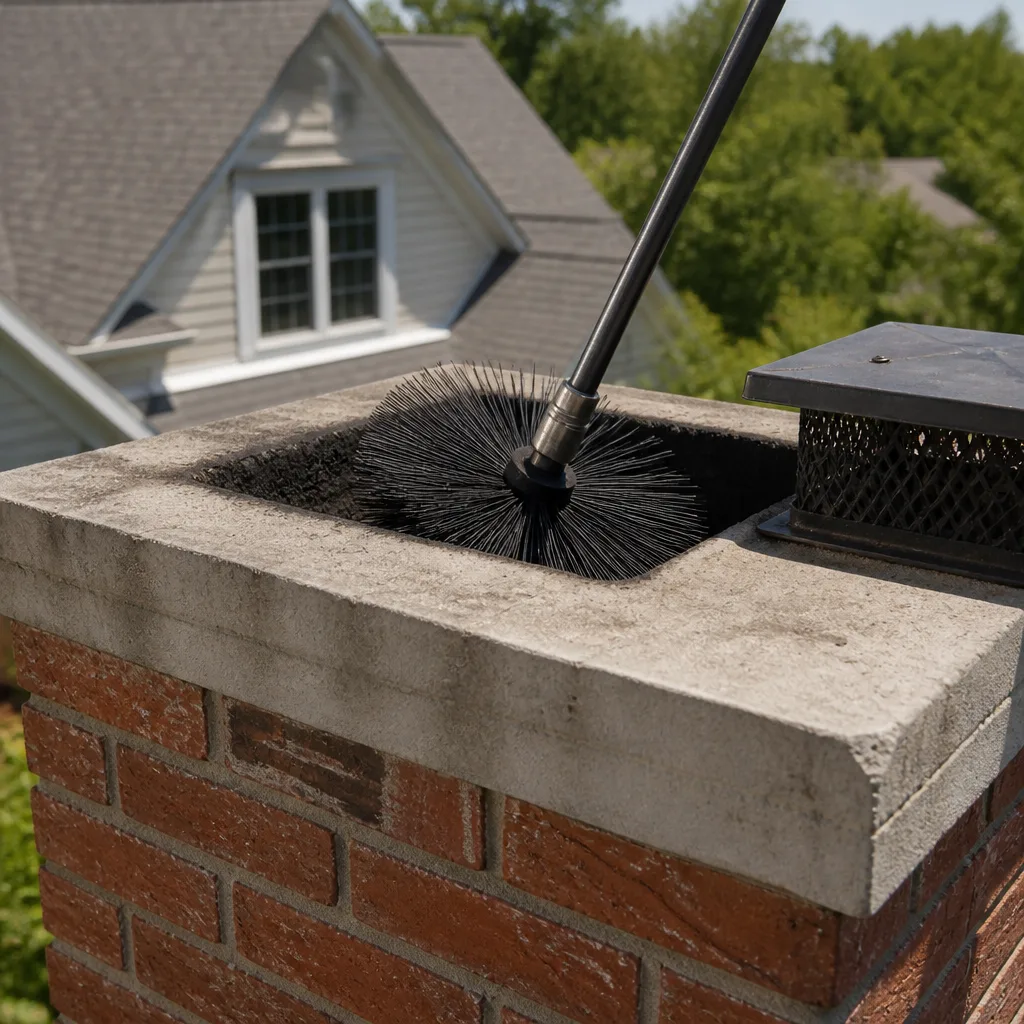 Sweep & inspection
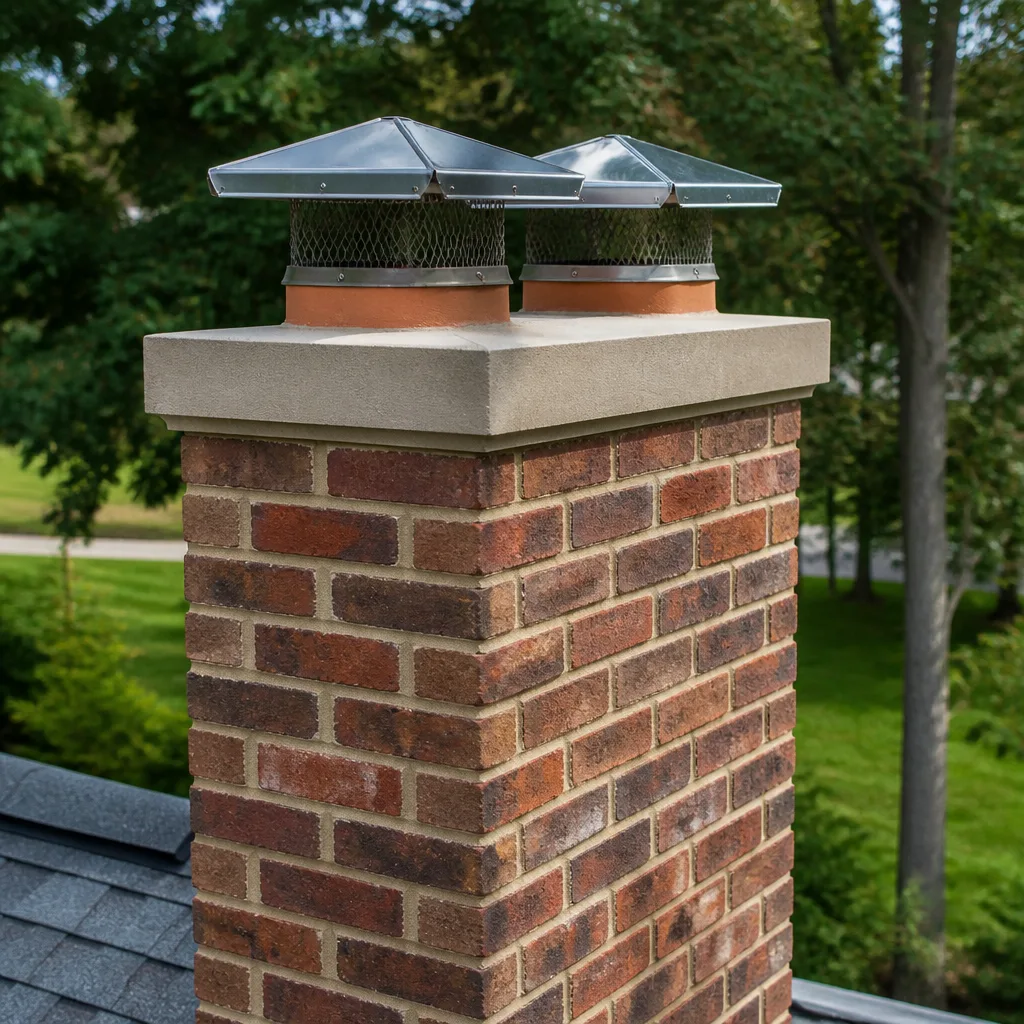 Caps & crowns
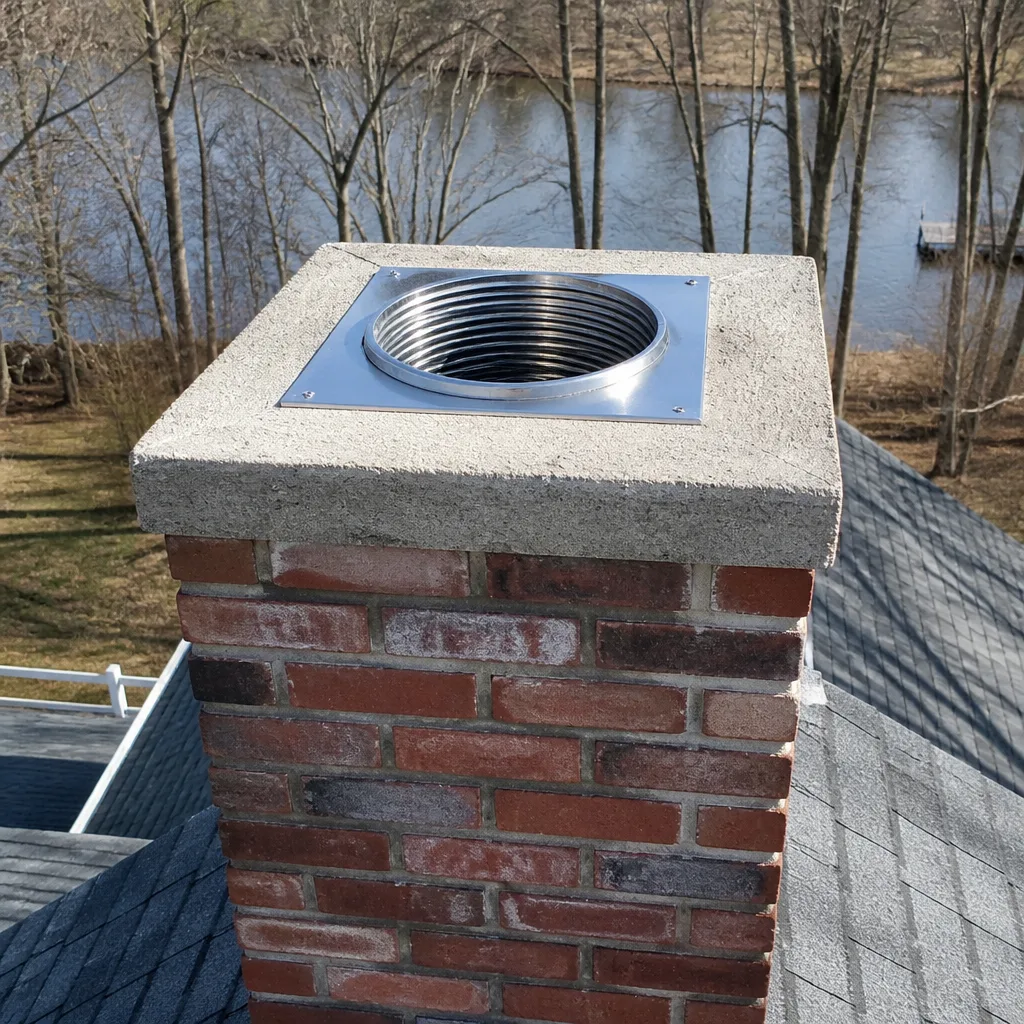 Flue relining
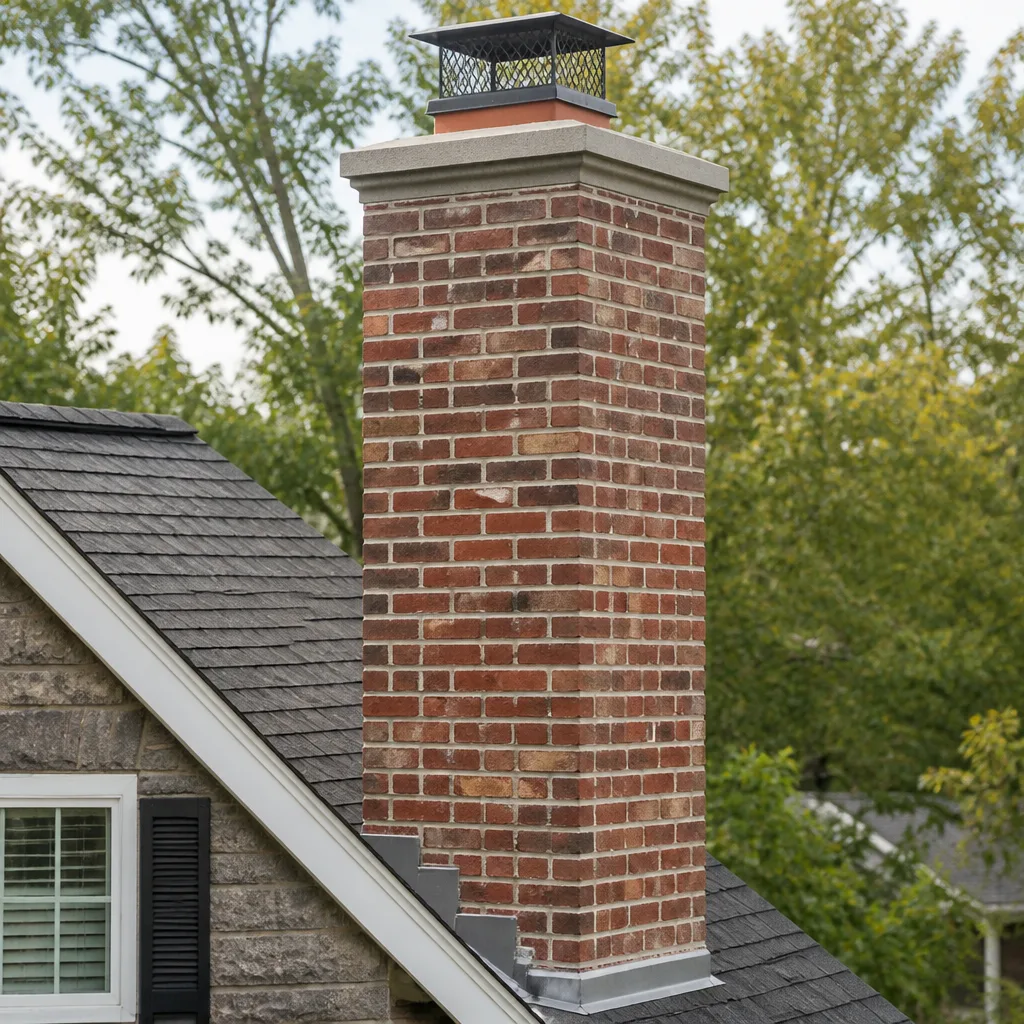 Masonry repair
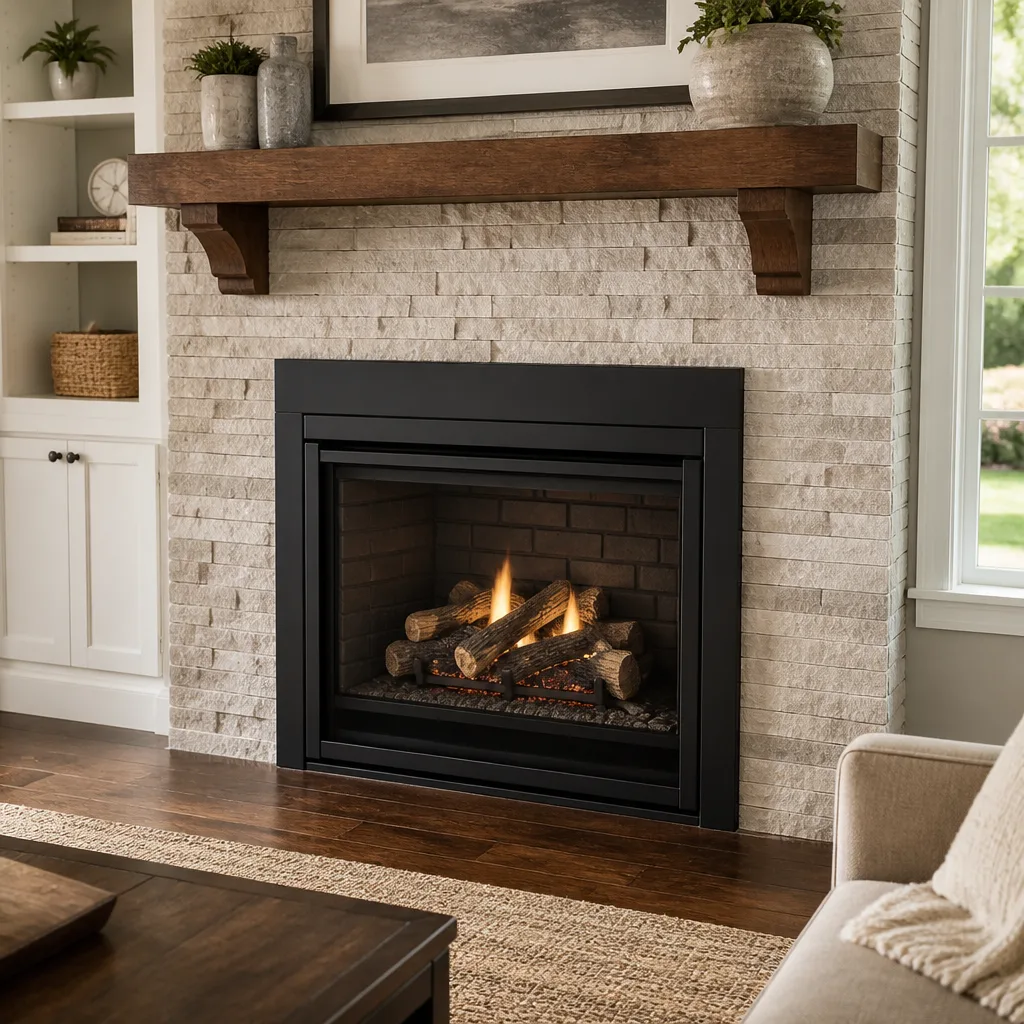 Gas fireplace service
Level 1 sweep and inspection to the NFPA 211 annual standard - flue, crown, cap, and flashing checked and photographed
Chimney sweep logs do not sweep chimneys. They loosen some creosote - which then falls where a brush and vacuum still have to collect it.
DIY vs Professional Chimney Cleaning: The Stapleton Homeowner’s Decision Guide
Brush kits sold online are real tools. Professionals use versions of them every working day. But those kits arrive without the one instrument that decides whether a sweep is safe to perform at all: a camera that shows you the inside of the flue before the first rod goes up. Cleaning a chimney is straightforward when the liner is sound and the deposits are light. Cleaning one with a cracked flue tile, a failing mortar joint, or a hidden blockage can turn a maintenance task into a dangerous one. This guide is built to help you place your own fireplace honestly in Stapleton, using the same diagnostic criteria we apply before we ever pick up a brush, so you can decide with evidence instead of guesswork. Our technicians have up to 11 years of experience, and this is how we think it through.
Quick Answer
DIY chimney brushing is genuinely adequate for a narrow group of Stapleton homeowners: a newer, properly lined fireplace with light use, confirmed Stage 1 creosote, and no signs of liner or mortar trouble. Most Stapleton homes fall outside that group once a camera is involved. If you cannot see the flue’s condition, you cannot know that DIY cleaning is safe, and that single blind spot is the reason a professional sweep earns its cost for the average household.
Styles & brands we work with
- Sweep & inspection
- Caps & crowns
- Flue relining
- Masonry repair
- Gas fireplace service
Table of Contents
- The First Test: Can You See Inside Your Flue?
- Flue Conditions That Make DIY Cleaning Safe and Adequate
- What DIY Brushing Cannot Assess
- DIY Kit Costs vs a Professional Sweep in Stapleton
- The Insurance and Liability Reality
- The One Place DIY Genuinely Adds Value Between Visits
- Why Stapleton Housing Stock Shapes This Decision
- Understanding Creosote Stages Before You Decide
The First Test: Can You See Inside Your Flue?
Before comparing kit prices or booking anything, answer one question. Can you see the full interior of your flue from the firebox to the cap? If the answer is no, you are judging your chimney by its exterior and by the smoke that went up it, neither of which tells you what the flue lining looks like now.
A professional sweep begins with inspection, not brushing. We inspect it before we touch it, and that order matters because a brush run through a compromised flue tile can chip glaze, widen an existing crack, and push debris into places a homeowner cannot reach. The camera shows the liner surface, the mortar joints between tiles, the smoke chamber above the damper, and whether anything is nesting or lodged in the flue. Only after that view do we know whether a standard sweep applies or whether the chimney needs repair first.
For a homeowner considering DIY, the practical equivalent is a small inspection camera that fits the flue, plus the willingness to run it ceiling to cap and look at the whole thing. That is a real expense and a real learning curve, and it is the first honest fork in the road. If you are not going to see the flue, the rest of this decision is guesswork dressed up as a chore list.
Newer Stapleton homes with modern liners and light fireplace use often pass this first test easily. Older homes around the neighborhood frequently do not, and that split runs through everything below. A chimney sweep performed without that view is cleaning blind, and the flue conditions in the next section are exactly what gets missed.
Flue Conditions That Make DIY Cleaning Safe and Adequate
DIY brushing is defensible when all of the following are true. Treat this as a checklist, not a menu: one unchecked box moves you toward a professional sweep.
- The flue is camera-verified sound. A continuous, unbroken liner with tight mortar joints and no spalling. Cracked tiles are the headline reason a brush becomes risky.
- Deposits are light and dry. Fine, dusty soot and thin, flaky creosote brush out cleanly. Hard, glossy, tar-like creosote does not.
- The fireplace sees light, seasoned-wood use. A fireplace used often with unseasoned wood builds deposits faster than a brush can keep ahead of them.
- There are no offset or odd flue shapes. Straight flues clean predictably. Offset or irregularly shaped flues need the right flexible tool and enough feel to know when you have reached the walls.
- You have the full kit and the roof confidence to use it. Brush set sized to the flue, enough rods, drop cloths, a HEPA vacuum, and a safe way to work at the top.
- No smoke chamber or damper issues are known. The smoke chamber above the damper is a common trouble spot and is not reached by a standard flue brush.
If that list reads like your chimney, a homeowner doing careful brushing is not creating a hazard. It simply is not the same as an inspection, and it will not catch the problems in the next section. If any item fails, especially the first, stop. In Stapleton’s older housing stock, the first item fails often enough that we treat camera verification as the default starting point rather than an extra.
What DIY Brushing Cannot Assess
This is the heart of the DIY versus professional question, and it has little to do with how well you can scrub. A brush removes deposits. It does not evaluate the system those deposits sat in. Here is what a brush cannot tell you:
- Liner integrity. Hairline cracks and failed tile joints are invisible from the firebox and can pass a brush without complaint while allowing heat and gases to reach framing.
- Smoke chamber condition. The chamber above the damper collects creosote and is a frequent fire point. It is not cleaned or inspected by a standard flue brush and needs a trained eye.
- Hidden blockages. Nests, leaf packs, and fallen mortar can sit above the visible flue. A brush may push past them or fail to clear them entirely.
- Mortar joint failure. Soft, crumbling mortar between flue tiles signals a lining problem that must be repaired before use, not swept and forgotten.
- Draft and carbon monoxide risk. A blocked or undersized flue can spill exhaust into the living space. Only an inspection with the right tools tells you whether draft is healthy or compromised.
These omissions matter more than the cleaning itself because a clean-looking flue can still be an unsafe one. Safety is the reason to act here, not appearance. Our Chimney Sweep Stapleton service pairs cleaning with that inspection for exactly this reason, and when we find a compromised liner, we can address it on the same visit rather than sending you to a second contractor. For flues that qualify, we use HeatShield ceramic resurfacing as a repair pathway, and for older or offset flues that rigid liners cannot serve, we install DuraFlex flexible liner systems. The point is not to sell a repair. The point is to know which repair, if any, is actually needed.
DIY Kit Costs vs a Professional Sweep in Stapleton
A fair cost comparison has to include the whole DIY kit, not just the brush. The brush set alone looks cheap. The tools required to do it correctly add up fast.
| Item | Typical 2026 range (DIY) |
|---|---|
| Brush set sized to the flue | $40 – $120 |
| Rod kit (enough for a full flue run) | $60 – $150 |
| Drop cloths and dust barriers | $25 – $60 |
| HEPA vacuum for soot containment | $150 – $400 |
| Inspection camera for the flue | $120 – $350 |
| Full DIY kit total | $395 – $1,080 |
- Professional sweep in Stapleton: typically $150 – $300 for a standard sweep with inspection.
- Camera inspection and photo report: often included in the professional sweep.
- Repair work, if needed: quoted separately from a written estimate, so you see the scope before anything is approved.
The math is uncomfortable for the DIY case. A correctly stocked DIY kit costs more than several professional sweeps, and it still leaves you without a trained eye on the flue. The only homeowner who comes out ahead on cost is one who already owns the vacuum, owns a camera, and has a verifiably sound flue they will maintain for years. Everyone else is paying more to see less. Our sweep pricing is set per job by the written estimate, and the camera inspection and photo report are part of getting that estimate right rather than a separate upsell.
The Insurance and Liability Reality
This part rarely makes it into DIY articles, and it changes the calculation for a lot of homeowners. When a chimney fire claim goes to an adjuster, the question is not whether the chimney was swept. It is whether you can produce a documented professional inspection record showing the chimney was in known, reasonable condition.
A brush receipt from a kit you bought online satisfies no adjuster. It documents a purchase, not a condition. Insurers increasingly ask for professional inspection records on chimney fire claims, and a homeowner without documentation can find a claim contested on grounds they had no evidence the flue was safe to use. The same records matter for a real-estate transaction, where a documented baseline reassures a buyer and speeds the sale, and for routine maintenance planning as your chimney ages.
In our experience, the documentation is worth more than the cleaning for many Stapleton households. A record of inspection, notes on the flue’s condition, and photographs of what the camera saw create a baseline that follows your chimney through the years. That baseline is exactly what chimney sweep visits are built to produce. The cleaning itself is the visible task; the documentation is the lasting asset. If you plan to sell, refinance, or simply sleep better knowing your flue is sound, DIY cannot give you the paper trail a professional inspection produces.
The One Place DIY Genuinely Adds Value Between Visits
There is a small maintenance role DIY plays well, and it happens between professional visits rather than replacing them. It is light ash handling and keeping the firebox tidy, done carefully so it does not create new problems.
- Clean ash once the fireplace is fully cold. Never work around warm coals. Give it a day to cool after the last fire.
- Use a metal ash can with a tight lid. Coals can stay hot inside ash for a long time. Store the can away from the house.
- Sweep the firebox floor with a soft brush. Keep ash out of the flue, and never push debris toward the damper.
- Check the cap and crown visually from the ground. A missing or damaged cap lets water and animals in. If anything looks off, that is a professional call, not a DIY one.
- Leave the flue alone. Between professional sweeps, no brush belongs in a flue you have not recently inspected.
That is the whole of responsible between-visit maintenance: keep the firebox clean, watch the exterior, and leave the flue to the people who can see it. The impulse to “top up” a sweep with a brush run between professional visits is the most common way homeowners create new problems. If your cap or crown takes a hit, a purpose-built Famco or Gelco component replaced by a professional beats an improvised fix every time. Our chimney cap & crown service exists precisely because caps and crowns are where small exterior issues become interior water damage.
Why Stapleton Housing Stock Shapes This Decision
Stapleton is a mix of newer construction and long-standing older homes, and that mix splits homeowners cleanly in two. Newer homes often have modern, continuous liners that clean predictably and pass camera inspection with light, dry deposits. Old homes frequently carry flues with offset runs, older tile liners, and mortar joints that have had decades to weather. The same fireplace-use habits can produce very different risk in those two houses.
This matters for the DIY decision because the flue conditions that make brushing safe are not evenly distributed across Stapleton. If you bought an older home recently and have not had the flue inspected, your DIY eligibility is unknown regardless of how careful you are. The right move for a newly purchased older home is a documented inspection first, then a maintenance plan based on what the camera found. Older, offset, and irregularly shaped flues are the ones that rigid tools struggle to serve, which is why we reach for DuraFlex flexible liner systems when a repair is warranted. Olympia Chimney components supply another layer of the same reasoning: matching the part to the flue, not forcing a generic part onto a chimney that was built before that part existed.
Weather plays a smaller role than housing, but it plays one. A flue that stays damp between burns develops deposits and corrosion faster, and a fireplace that is used hard through the cold season needs its sweep on schedule rather than on a vague annual habit. Seasonal timing, before you are using the fireplace regularly, is the better moment to inspect and clean than mid-winter when a problem forces the issue.
Understanding Creosote Stages Before You Decide
Creosote stage is the single clearest signal of whether DIY brushing can clear your flue. It comes in three recognizable forms, and only one of them is a straightforward brush-off.
- Stage 1: sooty, flaky, and light. This is the dusty, brittle deposit that brushes out cleanly with the right tools. If this is what your flue holds and the liner is sound, DIY brushing is defensible.
- Stage 2: hard and crusty. Compacted, tougher deposits that resist a standard brush and often need specialist sweeping tools and technique. This is where DIY starts failing and where a professional sweep with the right equipment earns its cost.
- Stage 3: glossy and tar-like. Fuel-rich, gummy creosote that is a fire risk and does not come off with a brush at all. Stage 3 requires professional assessment and often repair before continued use.
You cannot reliably stage your own creosote from the firebox. Some of it is visible at the damper; most of it is not. Stage 2 and Stage 3 deposits are exactly where a brush kit underperforms and where the flue conditions we listed earlier start failing. If you cannot confirm the stage, you cannot confirm DIY is adequate, and the honest answer is a professional inspection. When the inspection does surface repair needs, we reach for the right tool: HeatShield ceramic resurfacing where a flue qualifies for a code-compliant repair without full liner replacement, DuraFlex when a liner replacement is genuinely needed, Gelco and Famco components where the cap and crown are the problem. That is the “right repair, not the most expensive one” principle, applied to what the camera actually shows.
Common Mistakes to Avoid
- Buying the brush before the camera view. The most common mistake in Stapleton is the DIY kit bought before anyone has looked inside the flue. Brush after inspection, never instead of it.
- Brushing a flue with cracked tiles. A brush can chip and widen existing damage. If the liner is questionable, cleaning it becomes a repair job.
- Skipping the smoke chamber. A standard flue brush does not clean the smoke chamber above the damper, and it is a common creosote trap. Only a trained eye inspects it.
- Working on a warm fireplace. Ash and coals can stay hot far longer than they look. Sweep only when everything is fully cold.
- Treating a DIY brush as documentation. A kit purchase receipt proves nothing to an insurer. A documented professional inspection is what a claim turns on.
- Ignoring the cap and crown. A missing or broken cap lets water and animals into the flue. This is a professional replacement, not a DIY patch.
- Assuming new-construction means safe. Even a newer Stapleton home needs an inspection baseline. Age is not a substitute for the camera view.
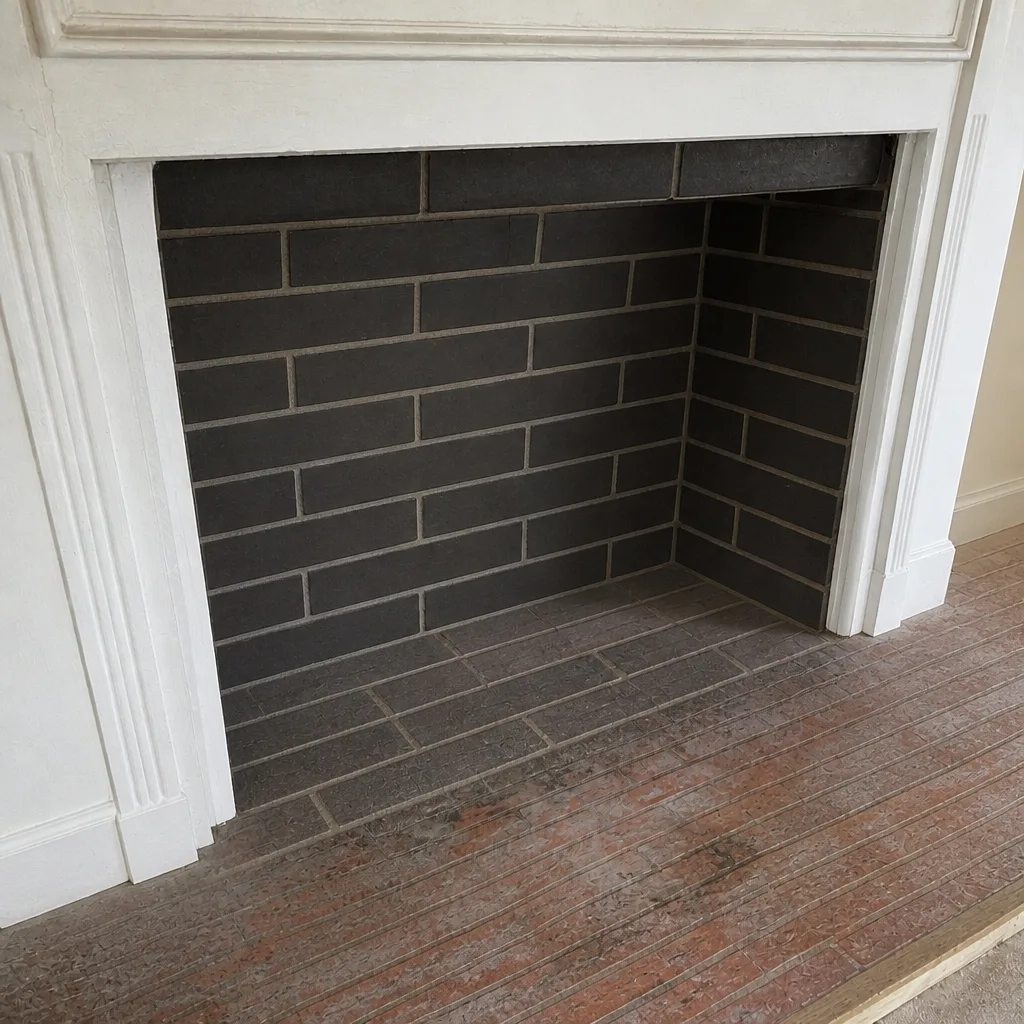
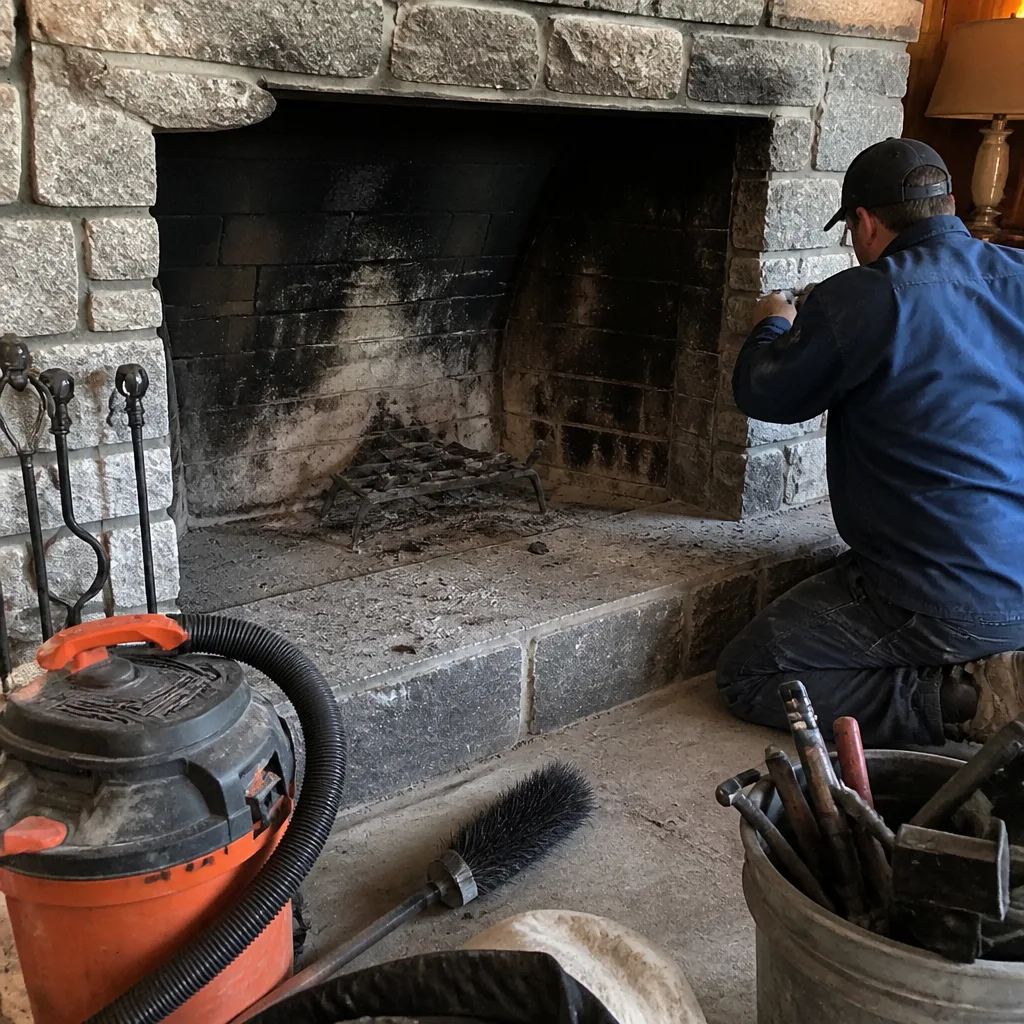
See the difference
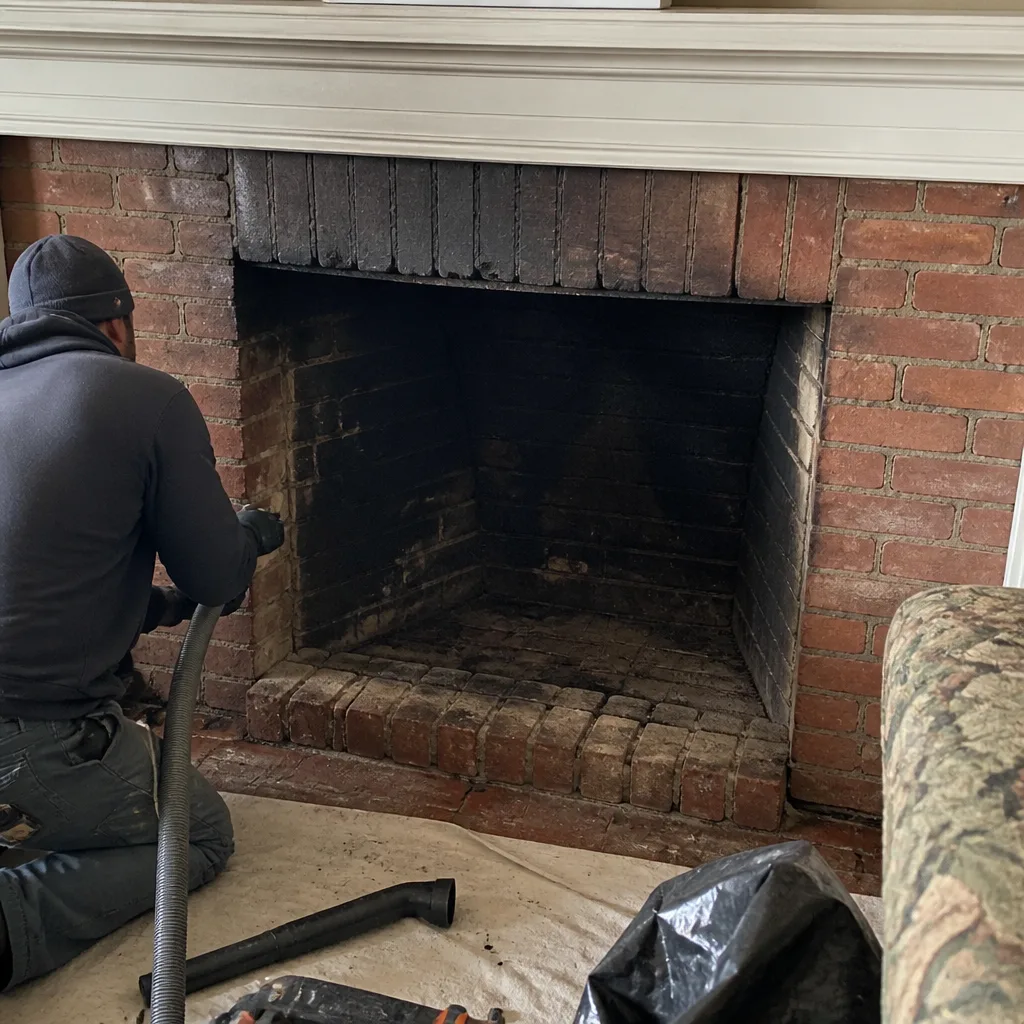 Before
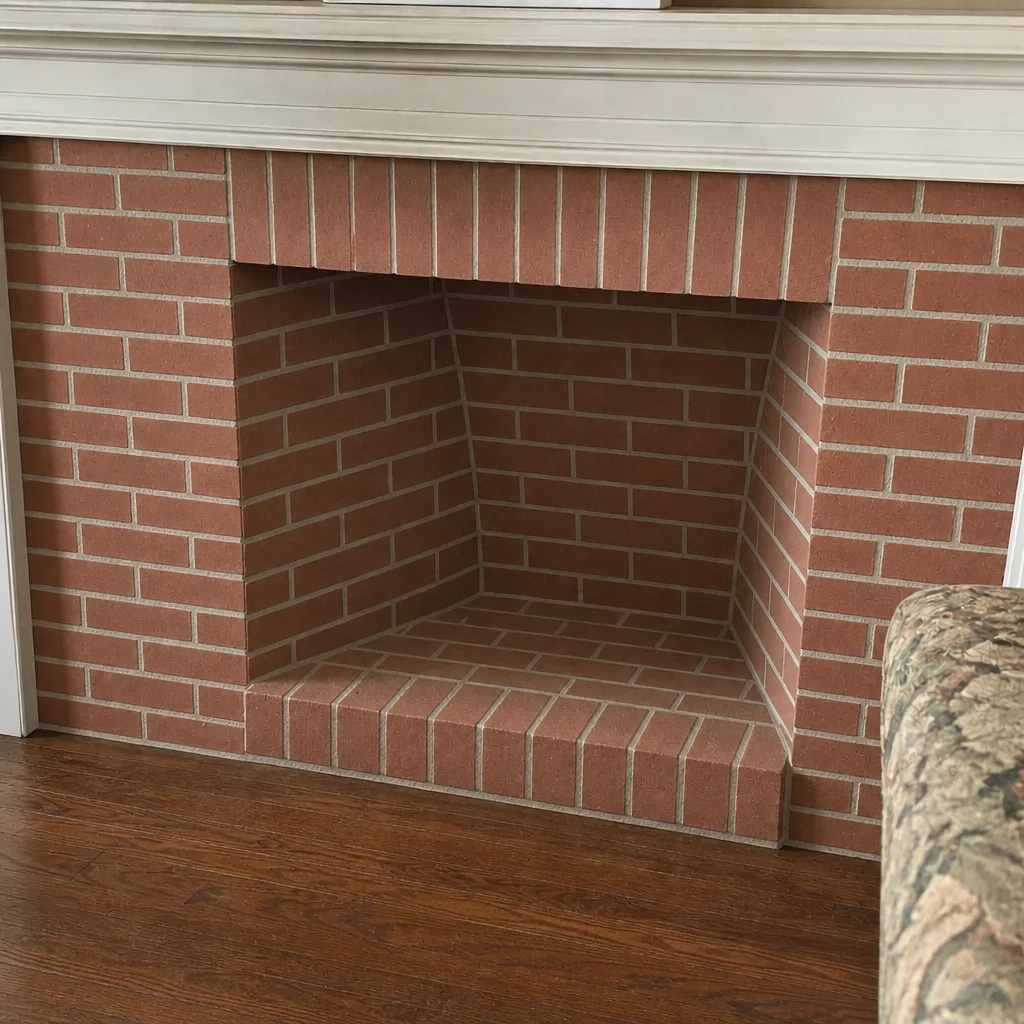 After
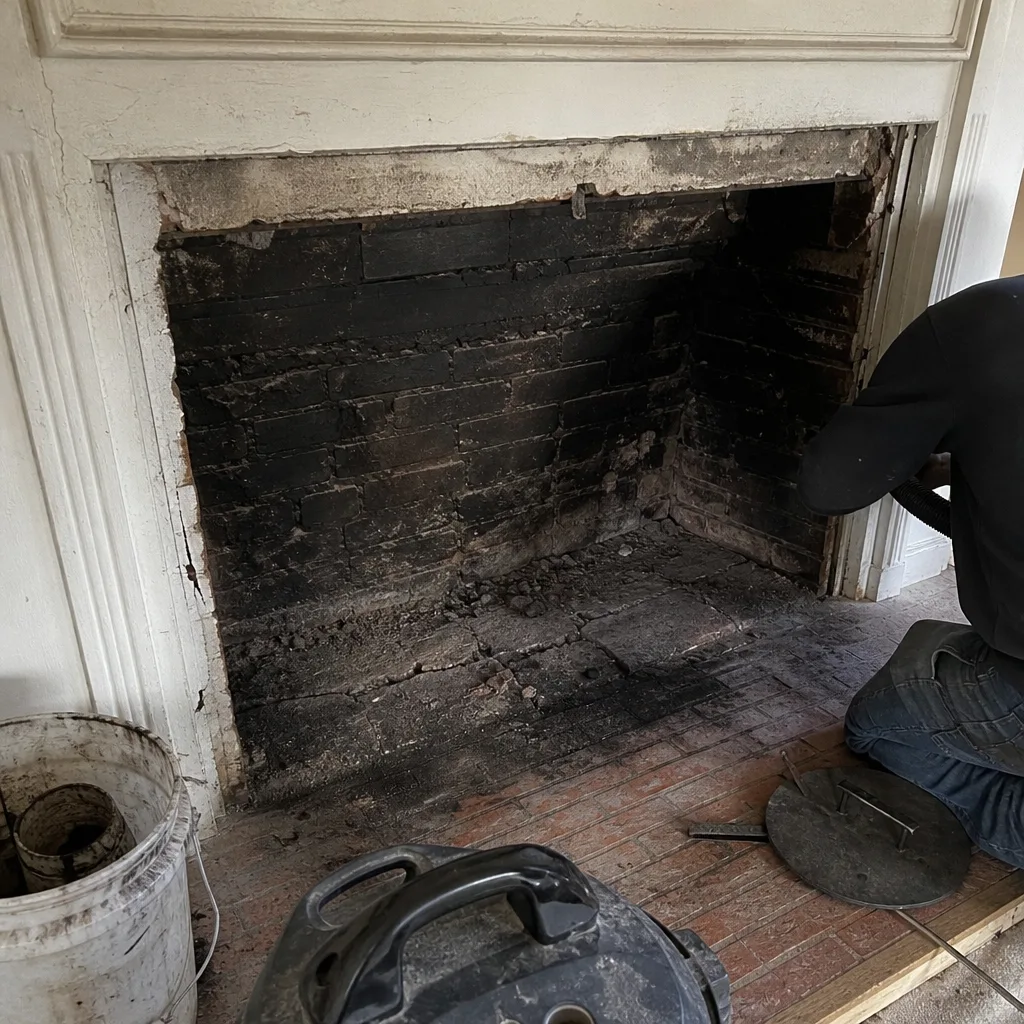 Before
 After
 Before
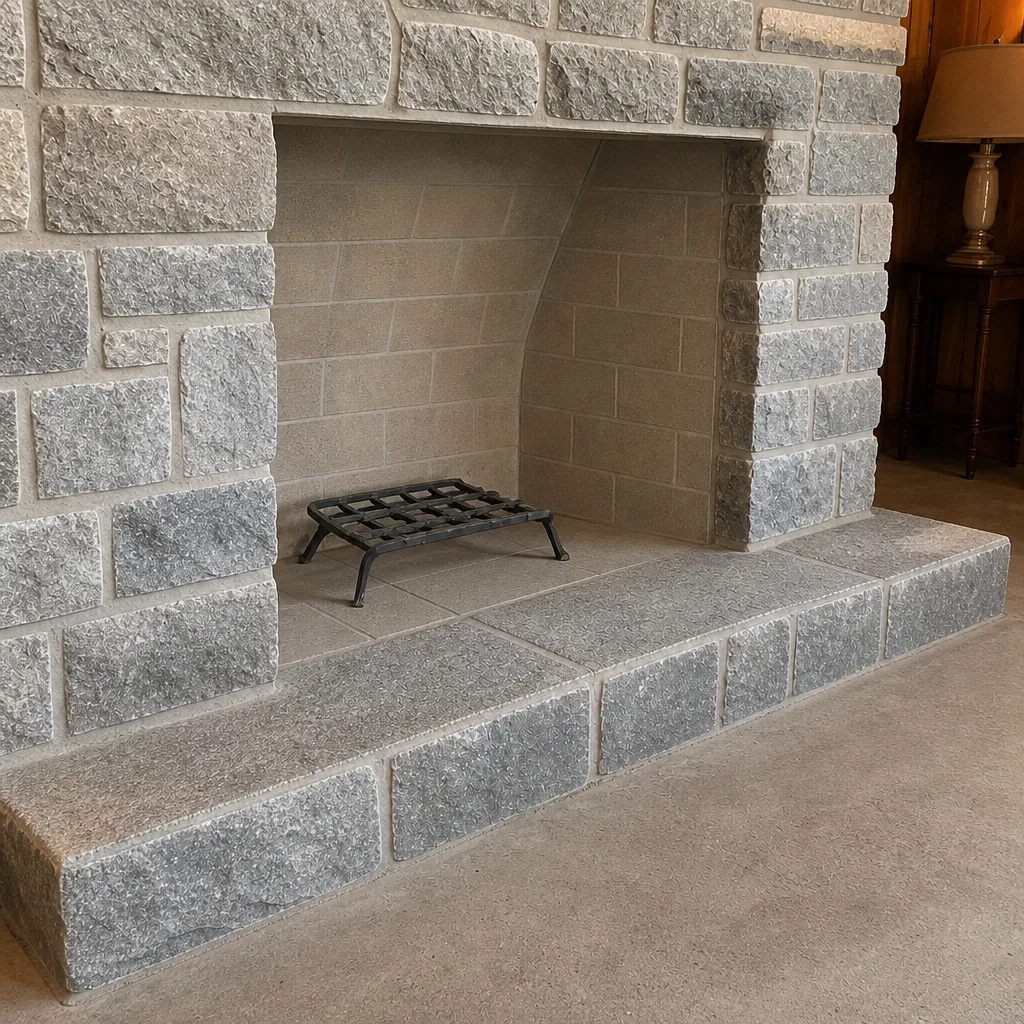 After
When to Call a Professional
Call a professional if you have never had the flue inspected, if the inspection shows cracks, spalling, or soft mortar, if you see or smell anything unusual at the damper, or if you cannot operate the fireplace with normal draft. Call if you have burned unseasoned or resinous wood, if you suspect Stage 2 or Stage 3 creosote, or if the cap or crown shows damage. Call before you sell a home or file an insurance claim on a chimney. Chimney Sweep Stapleton offers free estimates in Stapleton – call (866) 280-5786. We answer 24/7, and we dispatch technicians Sunday through Friday, 7am to 7pm, closed Saturday. We inspect before we touch, and we tell you plainly when work can safely wait and when it cannot.
Frequently Asked Questions
You can, and it is genuinely safe for a narrow set of homeowners: a camera-verified, sound liner, light, dry Stage 1 deposits, light use, and a full kit including a HEPA vacuum and inspection camera. If you have not verified the flue’s condition, DIY cleaning is blind and should wait for a professional inspection. Call (866) 280-5786 for a free estimate if you are unsure where you fall.
A professional sweep in Stapleton typically runs around $150 – $300 for a standard sweep with inspection, and the written estimate sets the final price. A correctly stocked DIY kit costs $395 – $1,080 once brush, rods, drop cloths, HEPA vacuum, and camera are included. For most households the professional sweep costs less and includes the inspection the kit cannot provide. Call (866) 280-5786 for an exact quote – estimates are free.
It misses liner integrity, smoke chamber condition, hidden blockages, and mortar joint failure, none of which a brush can evaluate. Those omissions matter more than the cleaning itself because a clean-looking flue can still be unsafe. The camera view is what separates maintenance from a hazard.
It may, but a DIY brush receipt does not document the chimney’s condition the way a professional inspection does. Insurers increasingly look for documented professional inspection records on chimney fire claims, and a homeowner without that documentation can face a contested claim. A documented baseline is the safer foundation.
For a regularly used fireplace, an annual professional inspection with a sweep when deposits warrant it is the standard rhythm. A lightly used fireplace with a sound flue may need less. The inspection determines the interval, not the calendar alone. Call (866) 280-5786 to schedule an inspection.
Creosote builds in the flue, and at Stage 2 and Stage 3 it becomes a genuine fire risk. A blocked or damaged flue can also spill carbon monoxide into the living space. These are real hazards, not scare tactics, which is why the safe pattern is inspection first and cleaning based on what it shows.
The Bottom Line
DIY chimney brushing is a real tool for a real, narrow group: the Stapleton homeowner with a camera-verified sound flue, light dry deposits, and light use. Outside that group, the kit costs more than a professional sweep and still leaves the flue unexamined. The camera view is what decides which group you are in, and the documentation a professional inspection produces is what carries weight with insurers and buyers. If you cannot see your flue, do not sweep it. We inspect it before we touch it, and we tell you when work can wait. Call (866) 280-5786 for a free estimate. We answer 24/7. Fast dispatch from 7am to 7pm, Sunday through Friday.
Written by the team at Chimney Sweep Stapleton.