
Last updated November 25, 2026
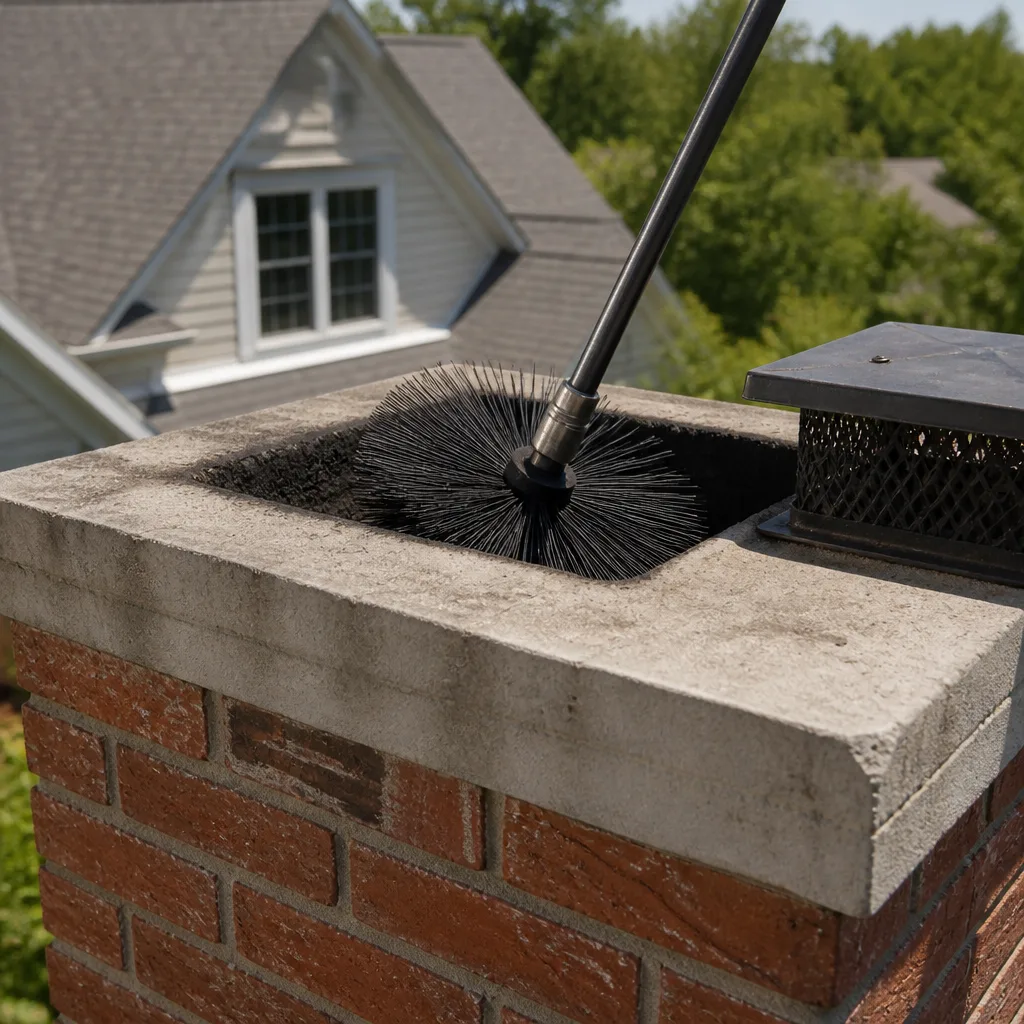 Sweep & inspection
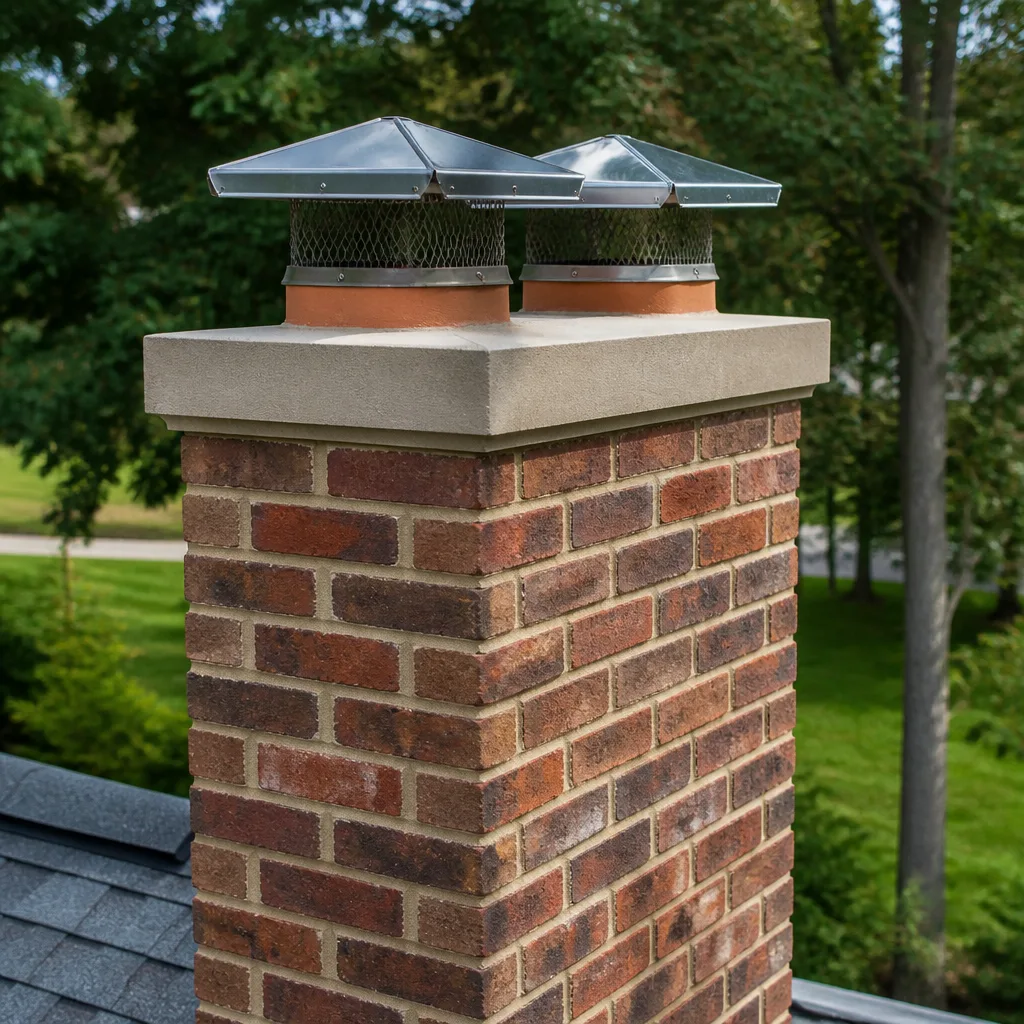 Caps & crowns
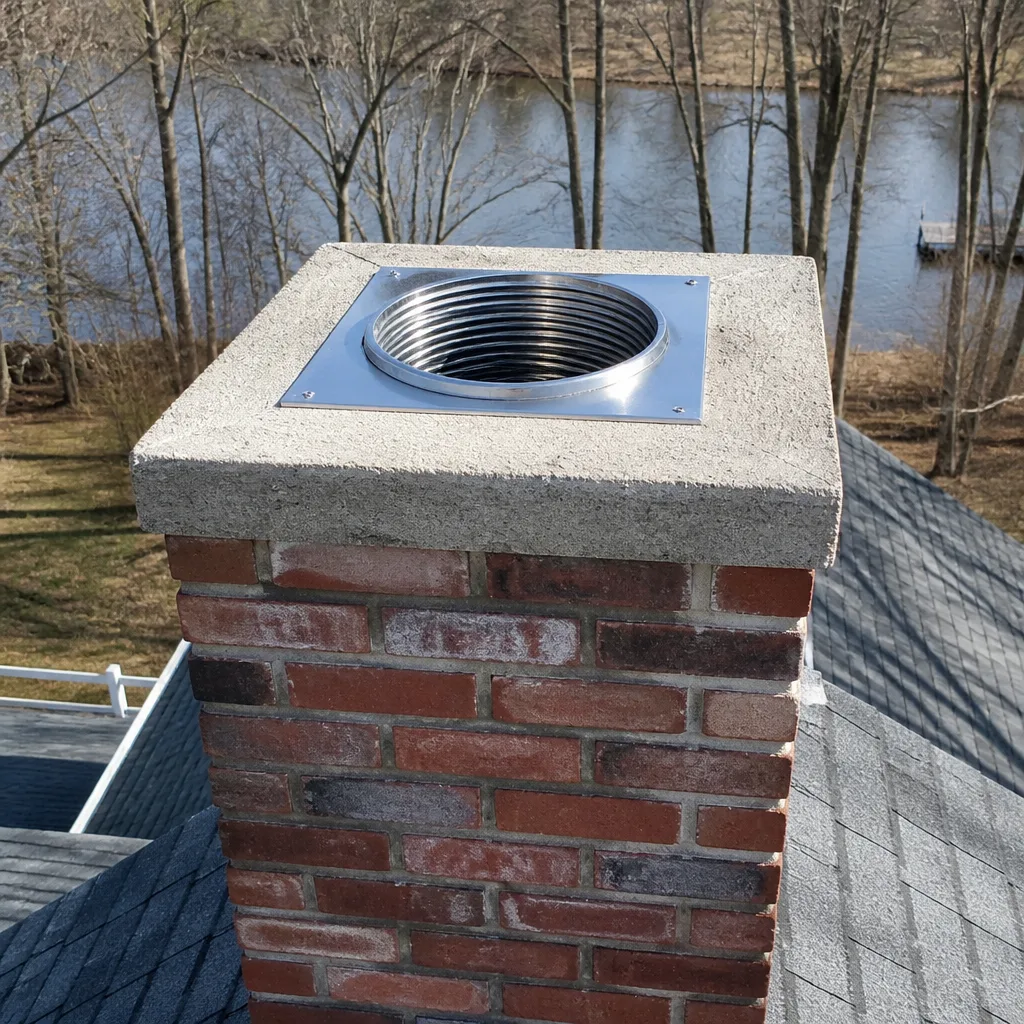 Flue relining
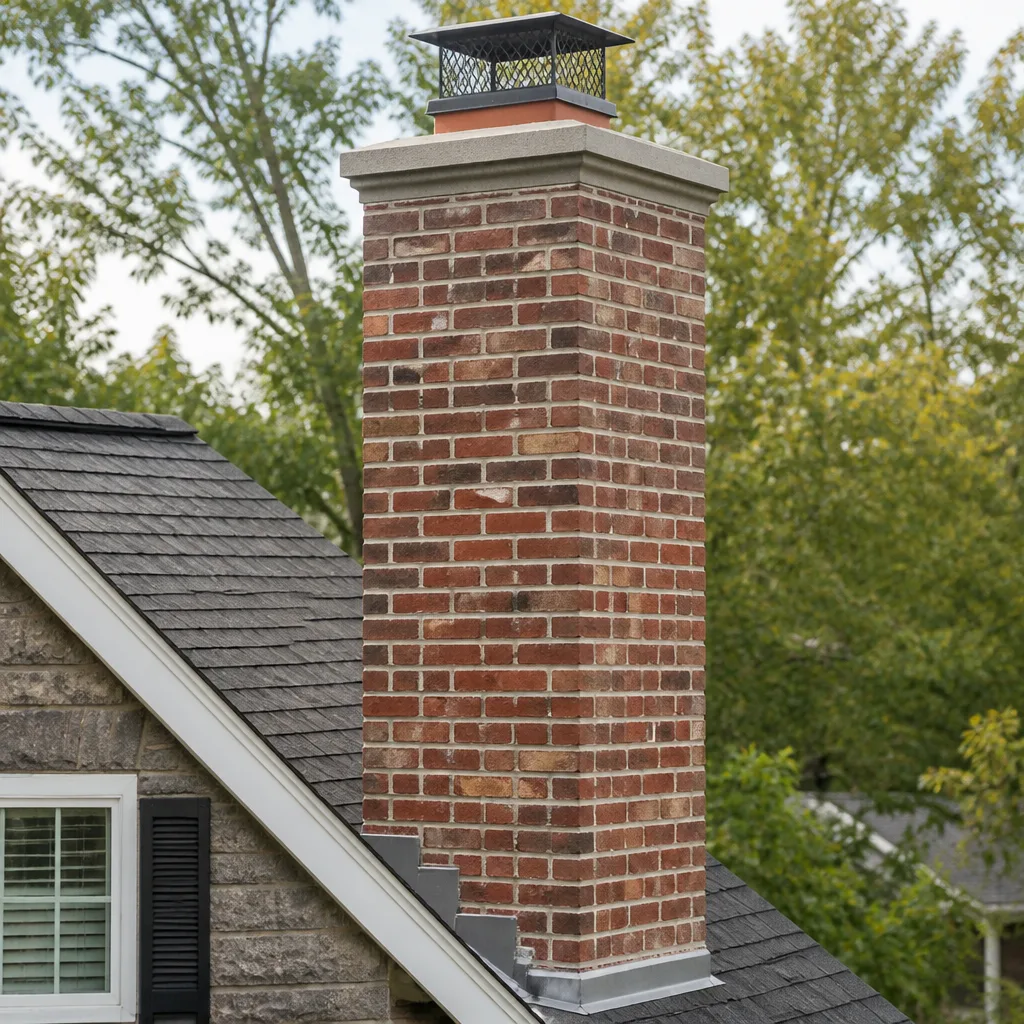 Masonry repair
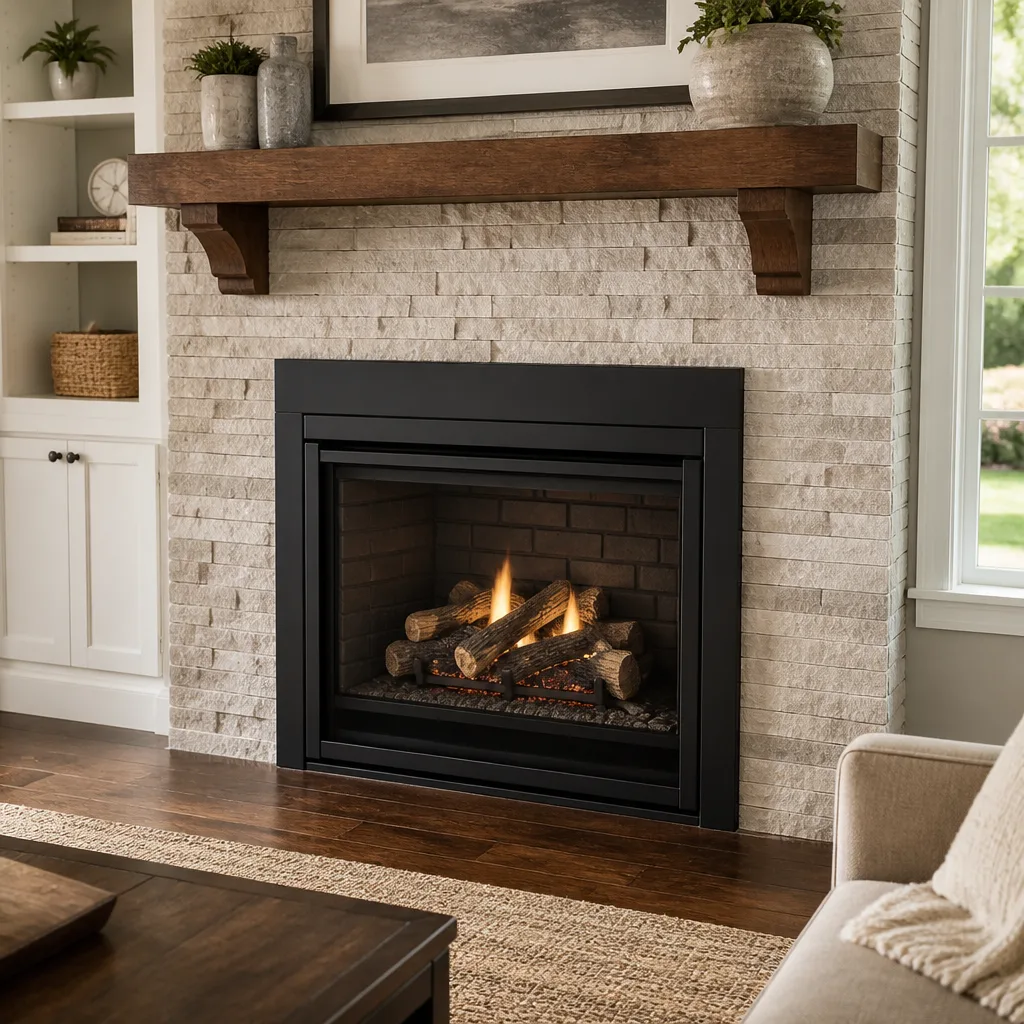 Gas fireplace service
Level 1 sweep and inspection to the NFPA 211 annual standard - flue, crown, cap, and flashing checked and photographed
Chimney sweep logs do not sweep chimneys. They loosen some creosote - which then falls where a brush and vacuum still have to collect it.
The Complete Guide to Chimney Cleaning in Stapleton
A wire-brush cleaning that’s perfect for a clay-tile flue can crack a fragile cast-iron liner, yet most chimney guides never mention that distinction once. They treat cleaning as a single event with a single method, and that assumption quietly breaks down in a place like Stapleton, where pre-1960s housing stock sits beside newer retrofits and coal-era flues now burn gas inserts. The right protocol depends entirely on what your flue is made of and what’s currently burning inside it. This guide maps every variable so you know exactly what “cleaned correctly” means for your specific chimney: flue materials, creosote stages, inspection levels, and how to tell when a job is actually finished.
Quick Answer
Chimney cleaning in Stapleton means matching the tool and method to the flue material and the creosote stage inside it: clay tile, cast iron, and stainless steel each tolerate different brushes and techniques, and third-degree glazed creosote needs chemical removal rather than more scrubbing. A proper cleaning ends with documented evidence (photos and an inspection report), not just a verbal “you’re all set.” If your home predates 1960, the flue should be inspected before any brush goes in.
Styles & brands we work with
- Sweep & inspection
- Caps & crowns
- Flue relining
- Masonry repair
- Gas fireplace service
Table of Contents
- Why Flue Material Determines Your Cleaning Method
- What Stapleton’s Older Housing Stock Changes
- CSIA Inspection Levels: When Each One Applies
- Creosote Stages and the Removal Approach for Each
- What a Correct Cleaning Actually Involves
- How a Finished Job Should Be Documented
- How Often Your Chimney Needs Cleaning
- When Cleaning Turns Into Repair
Why Flue Material Determines Your Cleaning Method
The single most useful thing a homeowner can learn about chimney cleaning is that the flue’s material sets the rules. A brush that glides safely through a clay-tile flue can gouge a cast-iron liner or abrade a thin stainless wall. A rotary tool that’s ideal for hard glazed creosote will shred a fragile older liner that’s already losing its surface. In our experience, the flue gets identified before the tools are chosen, every time.
Here’s how the four common flue types behave under cleaning:
- Clay tile: The most forgiving surface and the most common in Stapleton’s mid-century homes. Standard polypropylene brushes and rotary tools work well, but cracked or spalled tiles need to be flagged during sweeping rather than scrubbed harder.
- Cast iron: Found in some of the oldest Stapleton homes, particularly around coal-era fireplaces later converted to other fuels. The surface is brittle and prone to cracking under aggressive brushing; softer tools and careful hand work are the norm.
- Stainless steel (DuraFlex and similar systems): Smooth, durable, and tolerant of standard brushes, but thin-gauge liners still warrant a rotary tool used with control. We install DuraFlex flexible liner systems precisely because they serve the offset and irregular flues that rigid liners can’t reach.
- Poured ceramic (HeatShield resurfacing): A smooth ceramic surface applied over a deteriorated flue. It cleans cleanly, but the surface itself should never be abraded; the value of the resurfacing depends on it staying intact.
What this means practically: two neighboring homes on the same Stapleton block can need two different cleaning protocols. If a company shows up with one brush and one method, they haven’t asked the question that matters most.
What Stapleton’s Older Housing Stock Changes
Stapleton’s pre-1960s homes carry a higher-than-average rate of oversized, unlined, or dual-use flues, and that changes the cleaning conversation before it starts. An oversized flue runs cooler and accumulates creosote faster. An unlined flue exposes masonry to whatever is burning. A dual-use flue serving both a fireplace and a furnace or water heater distributes combustion byproducts across a shared path.
None of those conditions can be seen from the firebox. They show up on a camera inspection, which is why our protocol is always we inspect it before we touch it. The inspection doesn’t just protect the chimney; it protects the cleaning itself. Running a brush through an unlined or damaged flue can push debris into gaps in the masonry, dislodge loose mortar, or drive soot into a neighboring flue serving an appliance you depend on for heat and hot water.
Stapleton’s climate adds its own wrinkle. Cold winters mean the chimney spends months with a wide temperature gap between the hot flue gases and the exterior masonry, which encourages condensation inside the flue and, in turn, accelerates creosote formation and masonry deterioration. A chimney that would stay reasonably clean in a milder climate can build up faster here simply because of how hard the heating season works the flue.
What to have ready before a cleaning
- Note the fireplace’s fuel history: wood, gas, pellets, or a mix, and whether it’s changed in recent years.
- Mention any appliance venting into the same chimney, like a furnace or water heater.
- Point out any known past repairs, liner installations, or resurfacing work.
- Have your last inspection report handy if you have one, or say so if you don’t.
Those four items let a technician map the variables before the first tool comes off the truck, and they’re the same four we ask about on every chimney sweep booking in Stapleton.
CSIA Inspection Levels: When Each One Applies
The Chimney Safety Institute of America defines three inspection levels, and the level isn’t a menu item you pick; it’s triggered by conditions in the home. Knowing which level applies makes it much harder to be sold a more expensive inspection than you actually need, or talked out of one you do.
Level 1 Inspection
A visual examination of the readily accessible parts of the chimney and venting, without cameras or tools that disturb the system. It’s the default for a chimney that’s been in continuous, unchanged service with no known problems. If you’re simply due for a cleaning and nothing has changed, this is the level that fits. A Level 1 is also what’s appropriate for a straightforward annual maintenance visit.
Level 2 Inspection
A Level 2 adds a camera scan of the flue’s interior and access to parts of the system not visible from the outside. It’s triggered by a specific set of events:
- A change in fuel type, like switching from wood to gas or adding a gas insert.
- A change in how the appliance is operated or a new appliance connected to the flue.
- A real estate transaction, including a home purchase or sale.
- After an event that could have damaged the chimney, such as a chimney fire or a notable structural issue.
- When a Level 1 turns up something that needs a closer look.
For Stapleton buyers, the real estate trigger is the one to remember. If you’ve just purchased an older home, the documentation you get from a Level 2 inspection becomes the baseline for insurance, for future inspections, and for any repair planning.
Level 3 Inspection
A Level 3 is diagnostic and potentially destructive: it’s used when a Level 1 or Level 2 identifies a hidden problem that can only be accessed by opening up part of the chimney or building. It’s not a routine service and shouldn’t be recommended casually. If it’s suggested, ask exactly what hidden condition the camera couldn’t resolve and why access is required.
One thing we hear often is that a homeowner was “told they need a Level 3” before anyone showed them a camera image. The opposite should be true. Chimney Sweep Stapleton is built around showing you the evidence first, then explaining what it means.
Creosote Stages and the Removal Approach for Each
Creosote doesn’t arrive all at once. It builds in three distinct stages, and each one demands a different removal method. More brushing isn’t the answer to every stage; in some cases it’s the wrong answer.
First-Degree Creosote
Sooty, flaky, and light. It brushes off easily with a standard brush and is what most homeowners picture when they think of chimney cleaning. A regular sweep keeps first-degree creosote from progressing.
Second-Degree Creosote
Darker, flakier, and more adhesive. It clings to the flue walls and often needs a rotary tool with the right head and tension to break it loose without damaging the liner. A hand brush alone often leaves a residue behind; the operator has to feel the drag on the tool and adjust.
Third-Degree Creosote
Glazed, hardened, and almost tar-like. This is the stage that simply cannot be brushed away, no matter how many passes are made. It requires chemical removal, sometimes repeated applications, and it’s often the moment a cleaning turns into a conversation about the flue’s condition. Third-degree creosote signals that the flue has been running cool (which an oversized or underloaded flue tends to do). It’s also the stage with the most serious fire implications, which is why it’s identified and addressed rather than brushed over.
Why stage matters for the plan
- The technician inspects first to classify the creosote stage, not just the buildup amount.
- First-degree buildup is standard swept with the fitting brush for the flue material.
- Second-degree buildup escalates to rotary tools sized to the liner.
- Third-degree buildup gets a chemical plan, with a follow-up inspection to confirm the flue is clear.
- Any damaged liner or masonry surfaced along the way gets documented and discussed as a repair question, not folded into the cleaning.
When a cleaning runs into a compromised flue, the repair options are narrower than homeowners expect, which is why we keep the repair path inside the same company. That’s also where we use HeatShield ceramic resurfacing: a code-compliant route for a flue that qualifies, instead of defaulting straight to a full liner replacement. The right repair is the one that fits the flue, not the most expensive one.
What a Correct Cleaning Actually Involves
A chimney cleaning isn’t just scrubbing the flue. Here’s the sequence a proper job follows, and what each step is for:
- Protect the home. Drop cloths and a sealed work area keep soot out of the living space, especially in Stapleton homes where the firebox sits close to finished rooms.
- Inspect before touching. A visual check and, when triggered, a camera scan, to identify the flue material, the creosote stage, and any existing damage.
- Set the tools for the flue. The brush or rotary head is selected for the liner material, not grabbed from a single kit.
- Sweep from access points. Top-down or bottom-up depending on the flue’s geometry; offset and irregular flues often need the liner-specific approach.
- Clear and check the smoke chamber, damper, and firebox. Debris collects where the flue narrows; that’s part of the job, not an extra.
- Vacuum with HEPA equipment. A cleaning that leaves dust in the room isn’t finished.
- Re-inspect and document. Photos, an inspection report, and findings you can read. This is the step that separates a real cleaning from a brush pass.
The re-inspection at the end matters as much as the sweep. A technician who knows the camera is going back up sweeps differently, and the evidence belongs in your hands, not in a file you’ll never see. That’s the same standard we hold on our fireplace repair jobs, where the diagnosis drives the repair rather than the other way around.
Every cleaning we book is backed by a flat-price sweep agreed before the work starts, plus camera inspection and a photo report included. You see the flue we see.
How a Finished Job Should Be Documented
A finished chimney cleaning should leave you with more than a verbal “all clear.” The documentation is your record of the flue’s condition, and it’s what an insurer, a real estate buyer, or your own future self will want to reference. Here’s what a proper close-out includes:
- Photos of the flue interior before and after the sweep, showing the creosote in stage and the clean result.
- An inspection report noting flue material, liner condition, and any observation worth tracking.
- Findings written in plain language: what was found, what was addressed, what can wait, and what shouldn’t.
- A clear statement of scope: exactly what the cleaning covered and what it didn’t.
- A recommendation with a reason: any repair needs its evidence attached, not just its price.
The documentation is also the difference between a maintenance plan and a guess. If you’ve just bought an older home in Stapleton, that baseline is critical for insurance and for knowing what your chimney looked like on day one. Our inspection service provides exactly that documented baseline, and it’s the reason we treat inspection as the start of the job rather than an add-on.
How Often Your Chimney Needs Cleaning
There’s no single interval that fits every chimney. The right answer depends on how much you burn, what you burn, how the flue is built, and what’s venting into it. That said, the general guidance trades and safety bodies point to is a cleaning when a visible soot layer has built up, and typically at least once a year of inspection-level checking while the fireplace is in regular use.
In Stapleton, three factors push the answer toward more frequent attention:
- Heavy heating seasons. A fireplace that runs through a long Stapleton winter loads the flue more than a fireplace in a milder climate.
- Oversized flues. A flue that’s too large for the fire running in it stays cool, builds creosote faster, and often needs a shorter interval.
- Mixed-use chimneys. A fireplace sharing a chimney with a furnace or water heater has more to monitor.
If you’re unsure, a camera inspection settles it. Looking at the flue once a year and cleaning on evidence is cheaper than guessing on the calendar. A flue that’s clean at the annual check often doesn’t need a sweep that year, and we’ll say so.
Signs you shouldn’t wait
- A strong, smoky smell that lingers in the room after the fire is out.
- Smoke spilling into the room when you build a fire.
- Visible soot or dark staining around the firebox opening.
- Animals or debris in the flue, which usually shows up as a draft problem.
Each of those is a signal to inspect rather than to burn through the season and hope.
When Cleaning Turns Into Repair
Sometimes a cleaning ends with a repair recommendation, and the real question is whether the recommendation is honest. The best protection against being sold unnecessary liner or masonry work is the same one that protects against a bad cleaning: evidence you can see for yourself.
Repairs we handle and when they come up
- Liner repair and replacement. When the flue surface is cracked, spalled, or no longer suitable for the fuel being burned. DuraFlex flexible liner systems let us serve offset, aged, or irregular flues that rigid liners can’t fit.
- Flue resurfacing. HeatShield ceramic resurfacing rebuilds the flue’s interior surface and is a code-compliant alternative to full liner replacement when the flue qualifies. We’re certified to apply it, and we’ll tell you when it isn’t the right choice.
- Cap and crown work. A missing or failing cap lets water, animals, and debris into the flue; a cracked crown lets water into the masonry. We use purpose-built components from Gelco and Famco for weather-tight cap and crown work rather than improvised sheet-metal fixes.
- Fireplace and structural repair. When the firebox, damper, or surrounding masonry has deteriorated, the repair belongs with the same team that did the inspection.
We handle all five of our service categories together: sweeping, inspection, cap and crown, fireplace repair, and chimney repair. That’s one company responsible for the diagnosis and the fix, so nothing gets lost between a sweep and a repair company that never saw the flue.
And when work can safely wait, we say so. Nothing is recommended without camera evidence, and no homeowner should have to take a technician’s word on faith. Our chimney cap & crown work and every repair we quote follow the same rule.
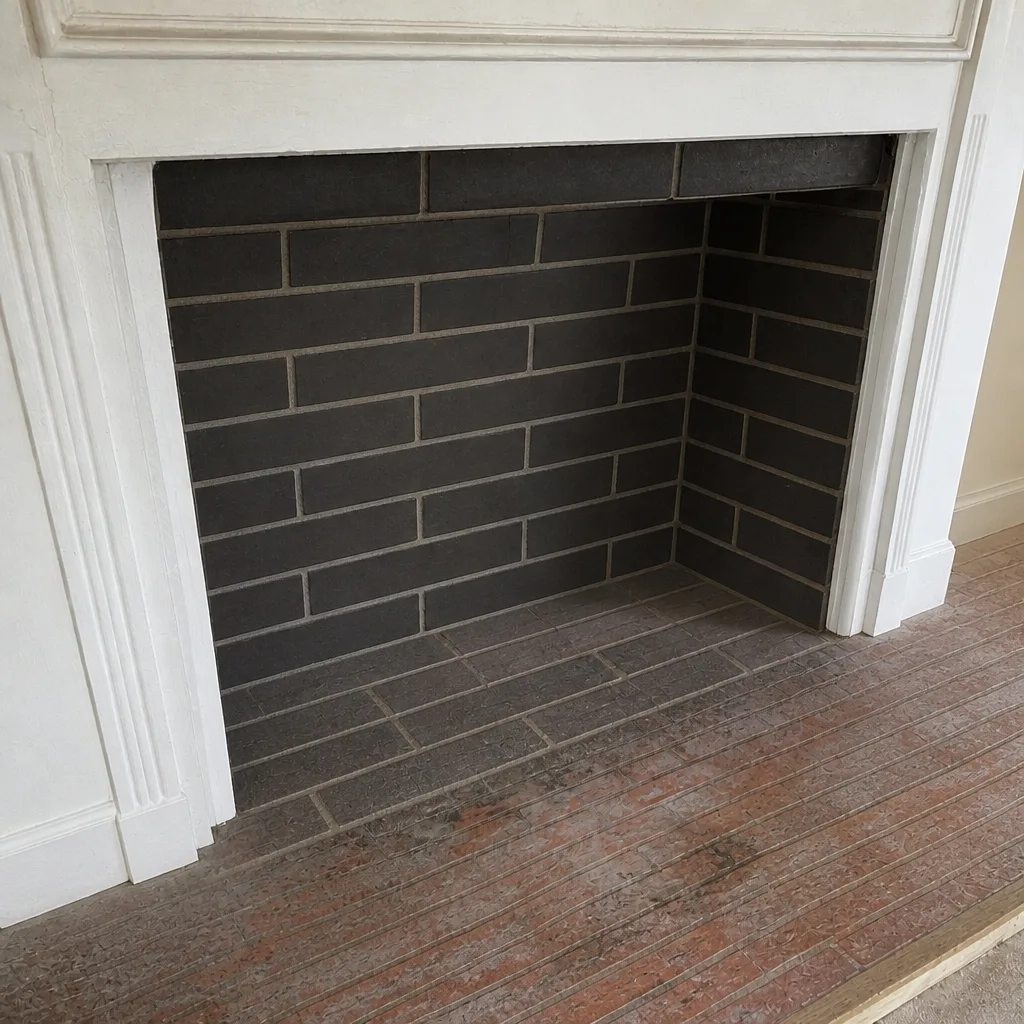
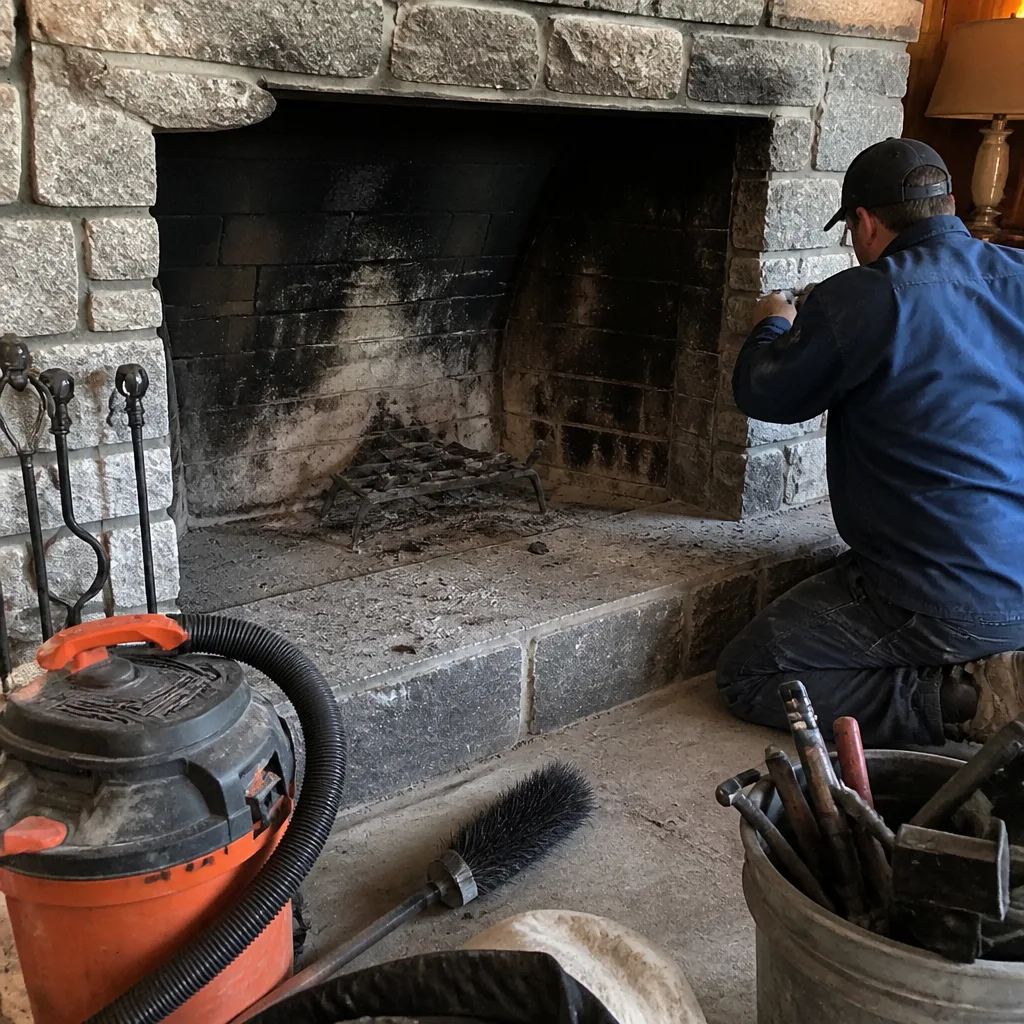
See the difference
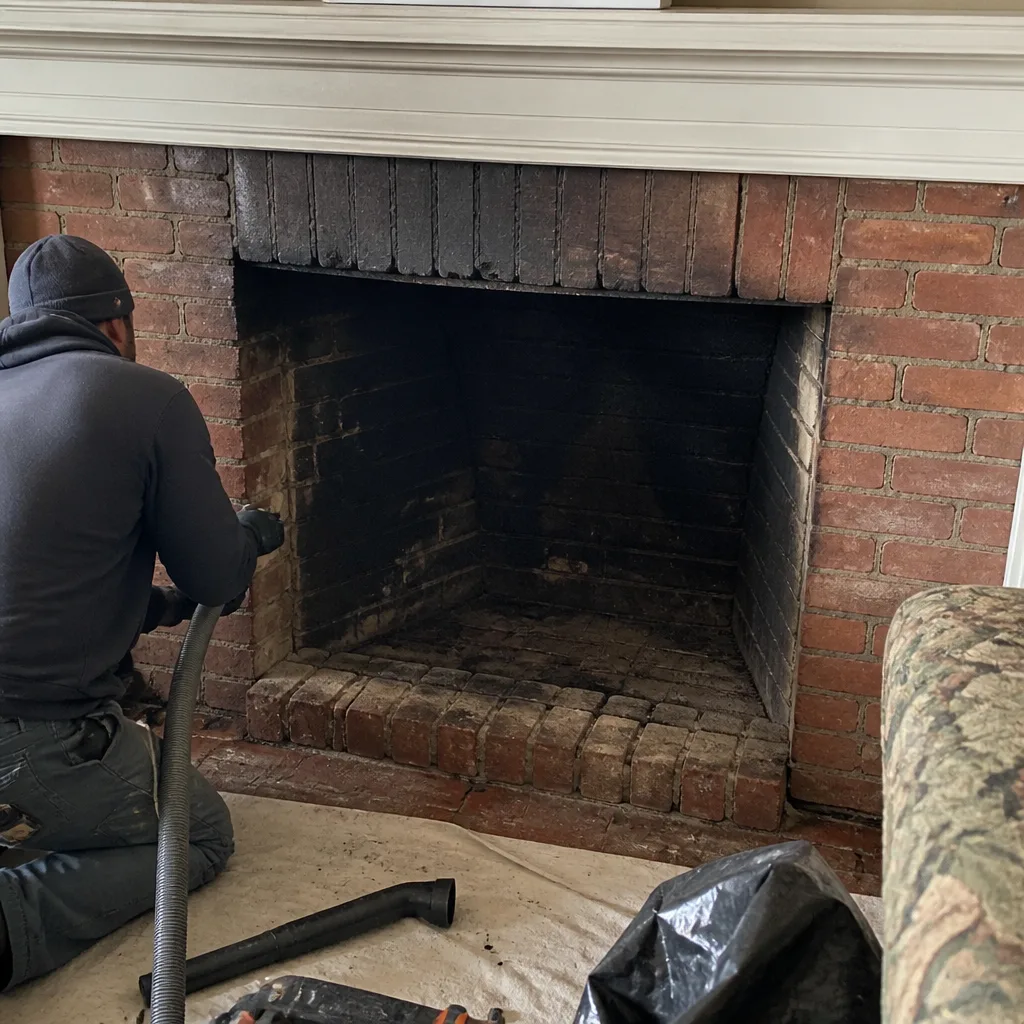 Before
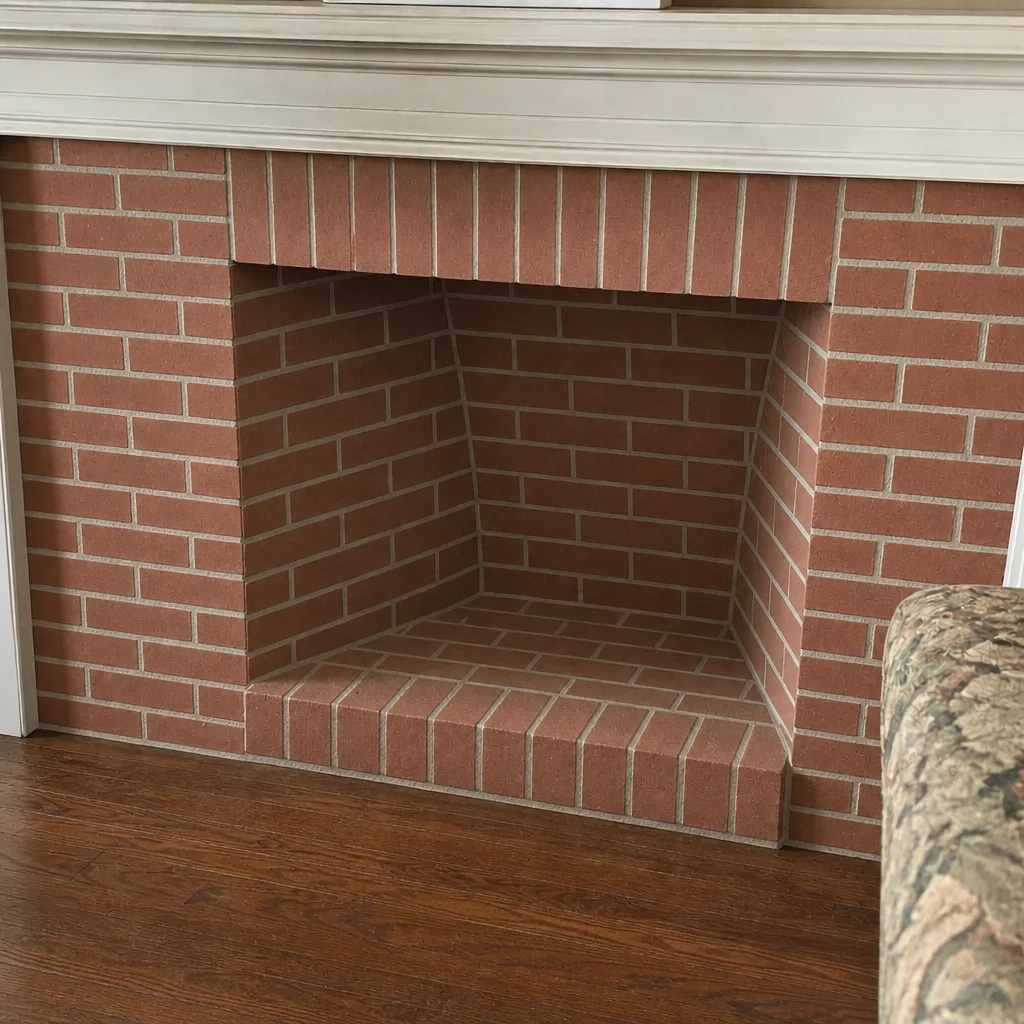 After
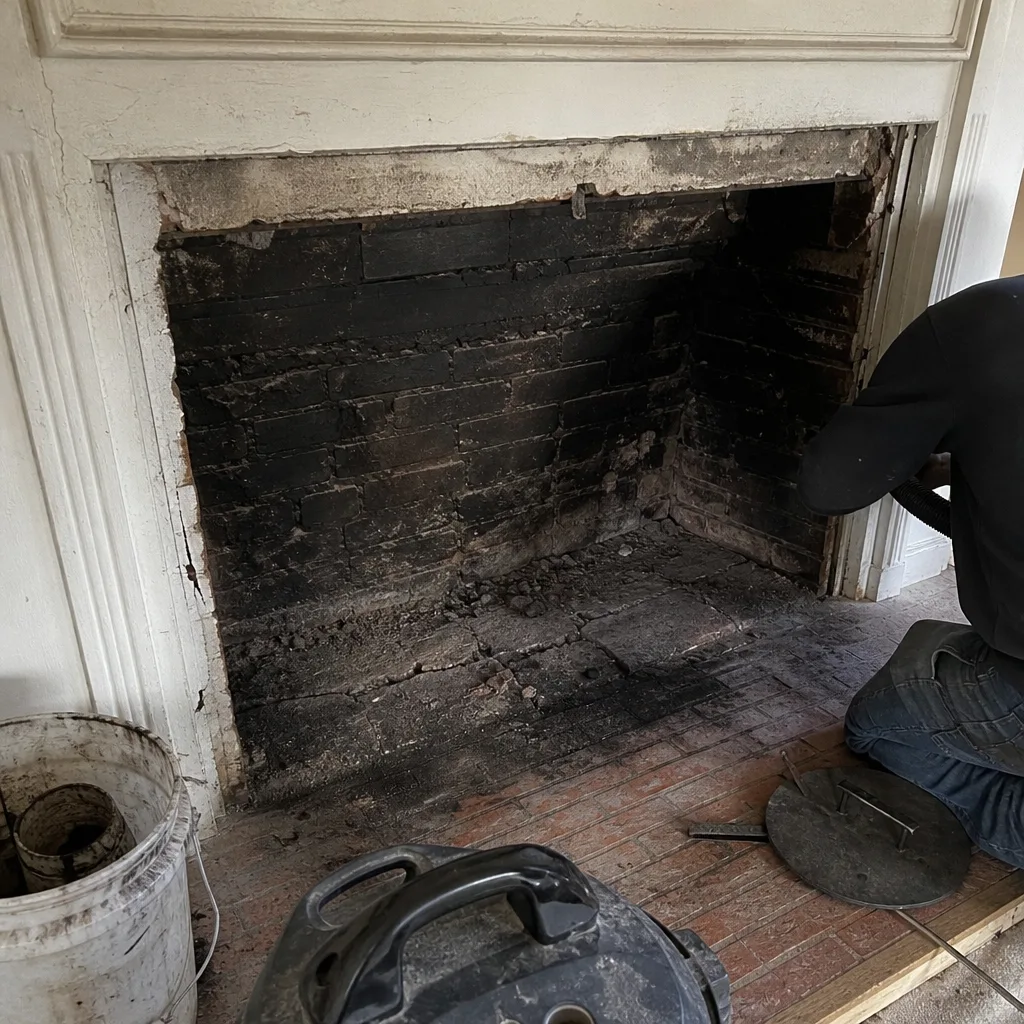 Before
 After
 Before
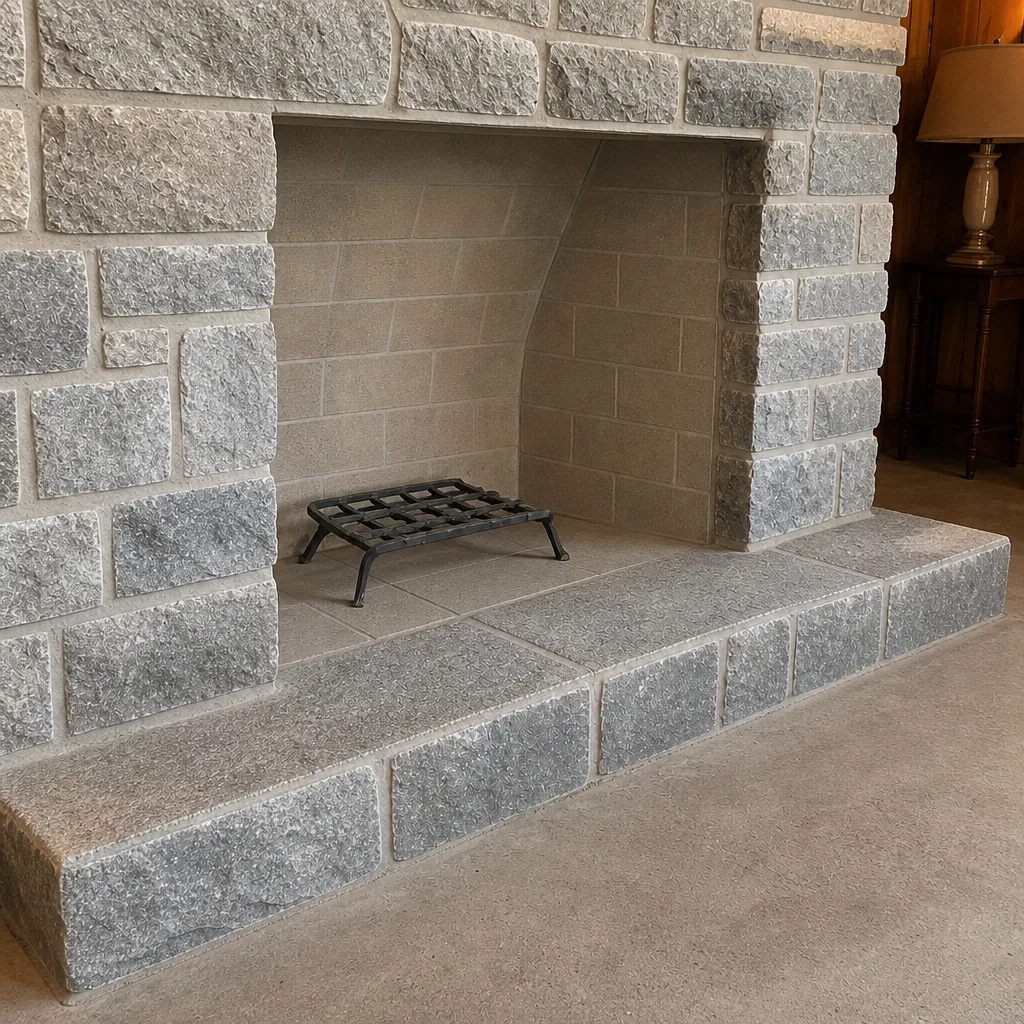 After
Common Mistakes to Avoid
- Assuming every cleaning uses the same brush. It doesn’t. A standard brush can damage a cast-iron or thin stainless flue, and the wrong rotary tool can abrade a resurfaced liner. Ask what the technician will use and why.
- Skipping the inspection to save time. In Stapleton’s older homes, the inspection is what tells you whether a cleaning is even safe to perform. A cut-rate cleaning with no inspection risks more than it saves.
- Treating third-degree creosote as a brushing problem. Glazed, tar-like creosote won’t come off with more passes. If a company says it brushed off, ask for the camera evidence.
- Hiring a repair before seeing the evidence. A recommendation without photos and a written finding is a guess. The flue should be visible to you, not described to you.
- Ignoring a dual-use chimney. A chimney shared by a fireplace and an appliance deserves attention at every cleaning. Skipping that check puts the appliance venting at risk.
- Assuming a new liner always means the most expensive option. Depending on the flue, resurfacing may resolve the problem. A company that only offers one path hasn’t really diagnosed the flue.
- Letting a missing cap go unfixed. An open flue collects water and wildlife. A cap and crown are among the least expensive preventive repairs a chimney needs.
When to Call a Professional
Some chimney conditions are safe to monitor. Others need a trained technician in front of them, and the categories are clear: any sign of smoke spilling into the room, visible soot or staining around the firebox, a flue you can’t see all the way up, a recent fuel change or a home purchase, or a fire that burned harder than it should have. Those cases call for an inspection before anything else. A homeowner who’s never had a chimney camera inspection in an older Stapleton home should get one, even if they’ve never had a problem. Our technicians have up to 11 years of experience and are trained to diagnose the flue, not just brush it. Chimney Sweep Stapleton offers free estimates in Stapleton. Call (866) 280-5786. We answer 24/7. Fast dispatch from 7am to 7pm, Sunday through Friday.
Frequently Asked Questions
Pricing in Stapleton varies by the chimney’s construction, its condition, and the creosote stage, so the written estimate is what sets the final price. Contact us directly for a free estimate on your specific chimney. Call (866) 280-5786 for an exact quote.
A chimney in regular use should be inspected every year, and swept when the flue shows enough buildup to justify it. In Stapleton’s long heating seasons, especially in oversized or dual-use flues, that can mean a shorter interval than the general rule suggests. A camera check tells you whether a sweep is needed this year. Call (866) 280-5786 to book an inspection.
Creosote builds in stages, and the higher stages are harder to remove and carry greater fire implications, so skipping service lets the flue get harder to clean. That’s a real safety concern, not a scare tactic: chimney fires are tied to creosote, and carbon monoxide risk rises when a flue isn’t drafting properly. If it’s been a few seasons, get the flue inspected. Call (866) 280-5786 for a free estimate.
A liner is usually recommended when the flue’s surface is cracked, spalled, or otherwise unsuitable for the fuel being burned. Some flues qualify for HeatShield ceramic resurfacing instead, which can be a code-compliant alternative to full replacement. Ask to see the camera evidence and the reason before agreeing. Call (866) 280-5786 and we’ll walk you through what we find.
A Level 2 inspection is the one triggered by a real estate transaction, because it includes a camera scan of the flue’s interior. It’s also the one triggered by a fuel change or a new appliance. Call (866) 280-5786 to schedule one before closing.
It can be brushed without one, but not safely in an older home. Stapleton’s pre-1960 homes are more likely to have unlined, oversized, or damaged flues, and the camera is what identifies those before tools go in. We inspect it before we touch it on every job, and our camera inspection and photo report are included. Call (866) 280-5786 for a free estimate.
The Bottom Line
Chimney cleaning in Stapleton is a materials conversation as much as a maintenance one. The flue’s surface (clay, cast iron, stainless, or resurfaced ceramic) sets the tools, the creosote stage sets the method, and the inspection level is dictated by the home’s history. A cleaning that ignores any of those variables is only half a job, no matter how clean the firebox looks. The one habit we’d take from this guide is to ask for evidence: photos of the flue, a written inspection report, and a repair recommendation you can verify. A safe draft, a clean flue, and no surprises are what a properly done job leaves behind. That’s the standard we hold for every chimney in Stapleton, and it’s why the finished job always ends with documentation in your hands.
Call (866) 280-5786 for your free estimate. We answer 24/7. Fast dispatch from 7am to 7pm, Sunday through Friday.
Written by the team at Chimney Sweep Stapleton.