
Last updated November 25, 2026
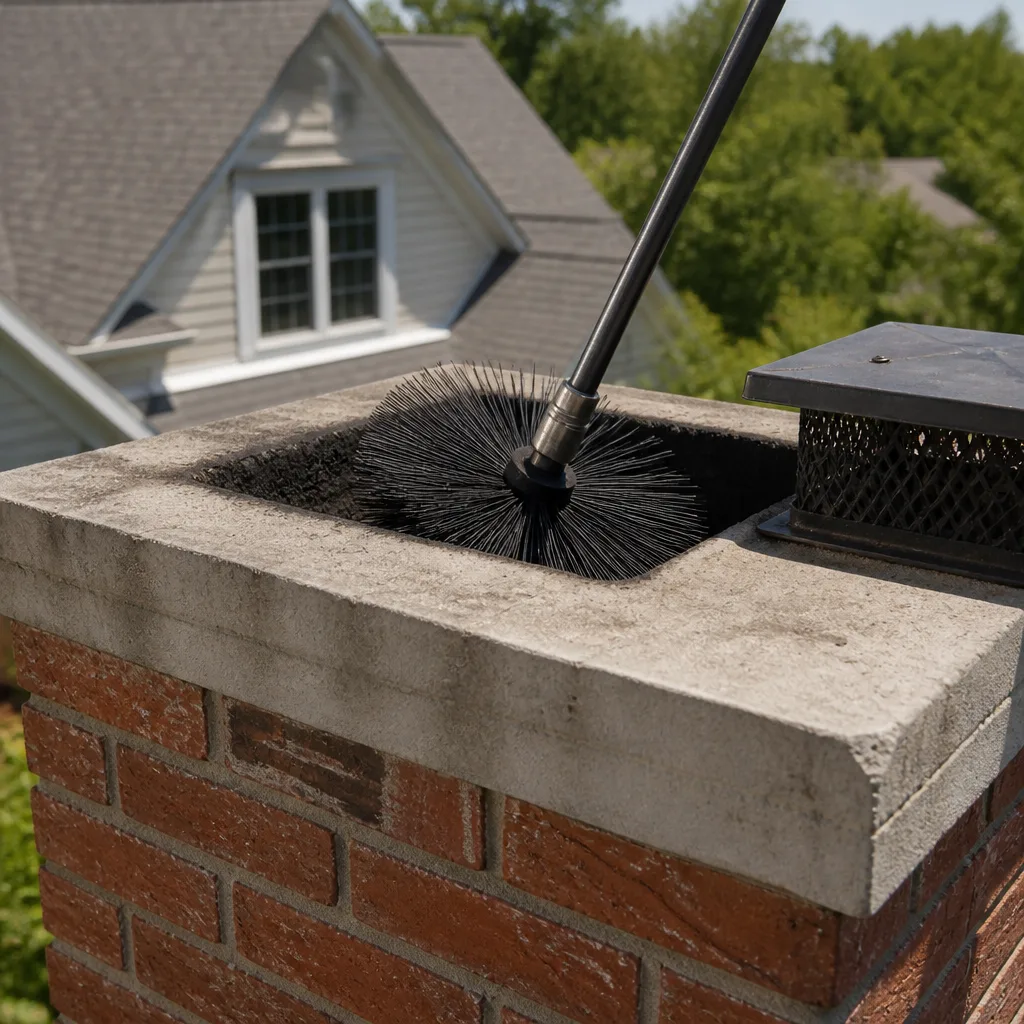 Sweep & inspection
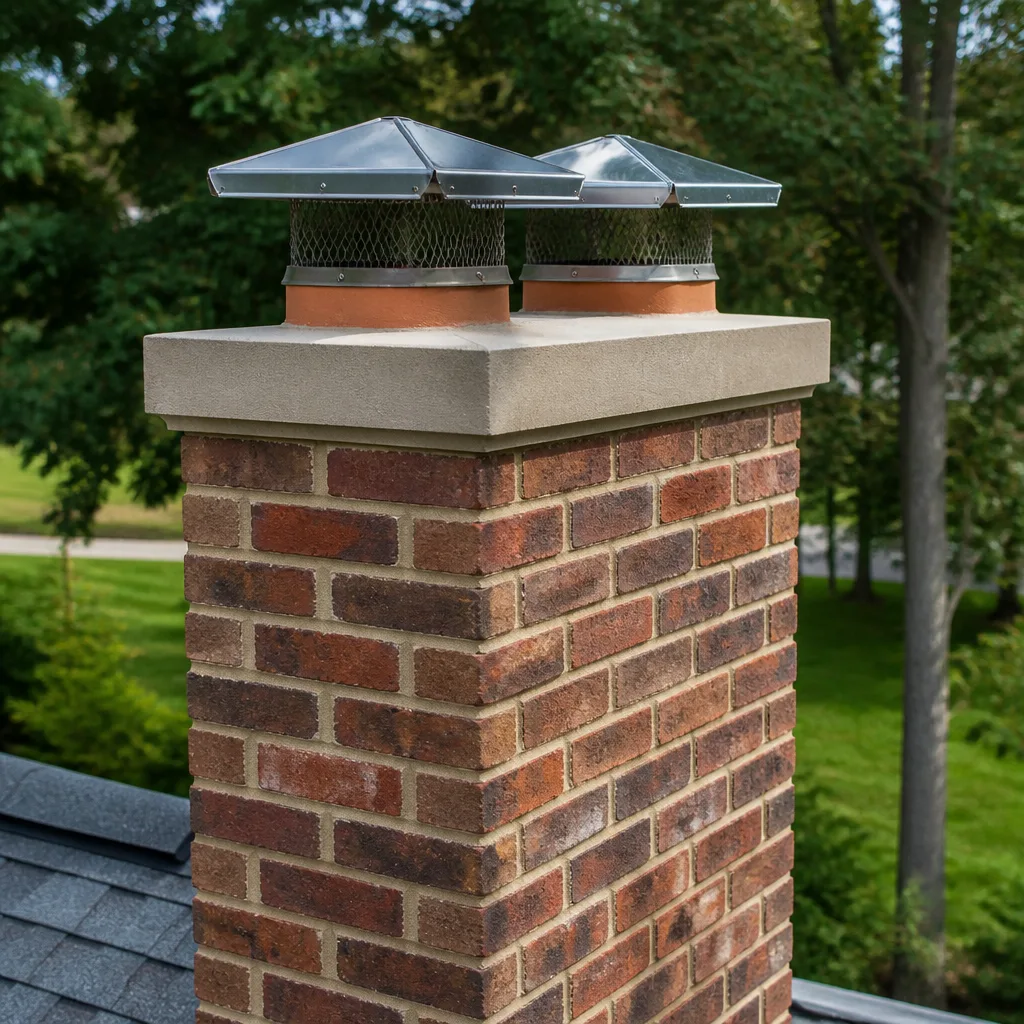 Caps & crowns
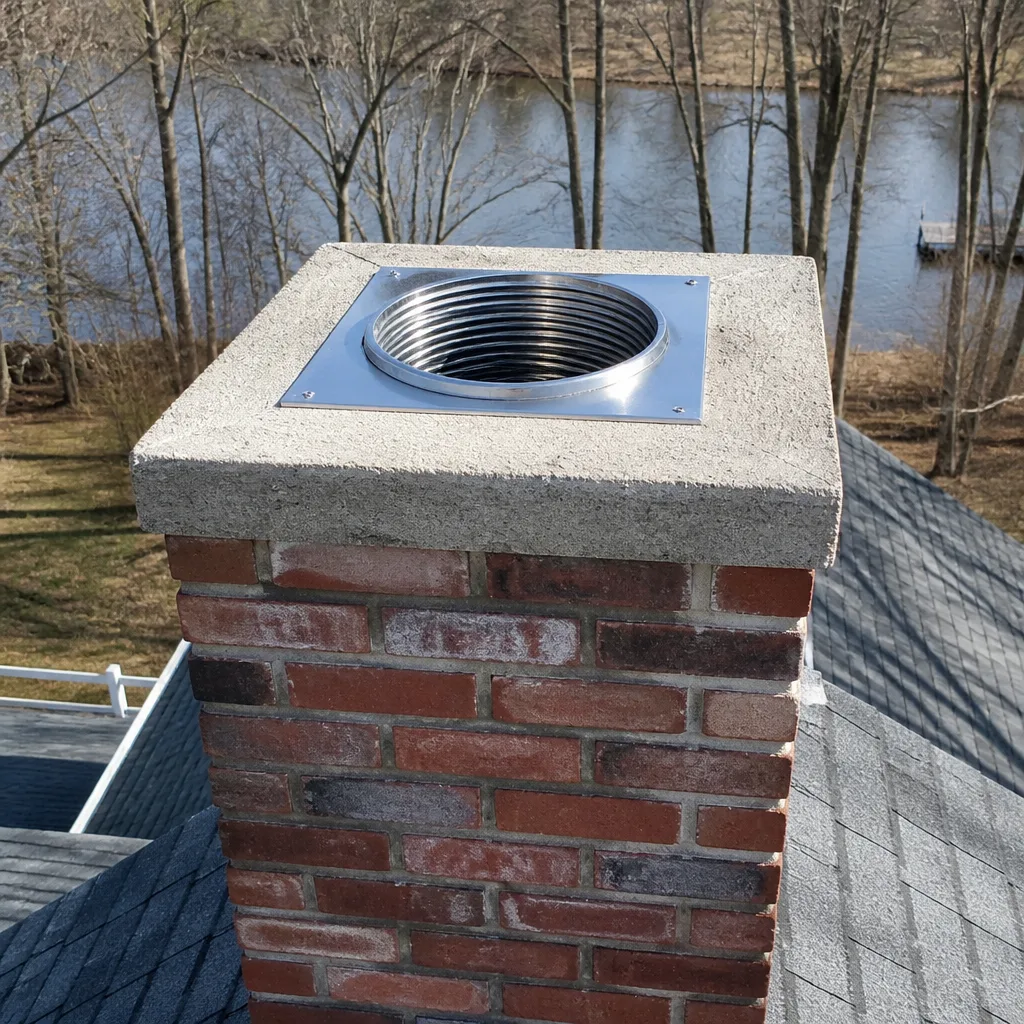 Flue relining
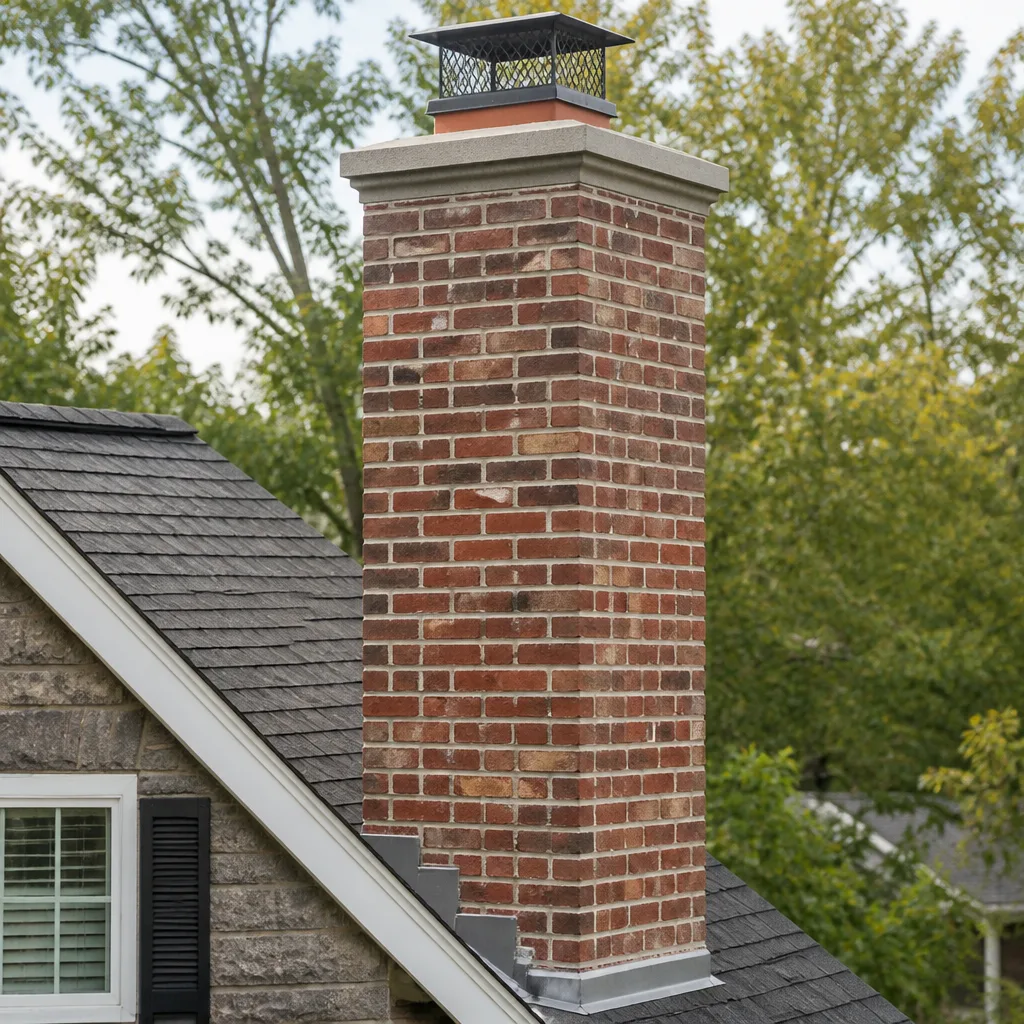 Masonry repair
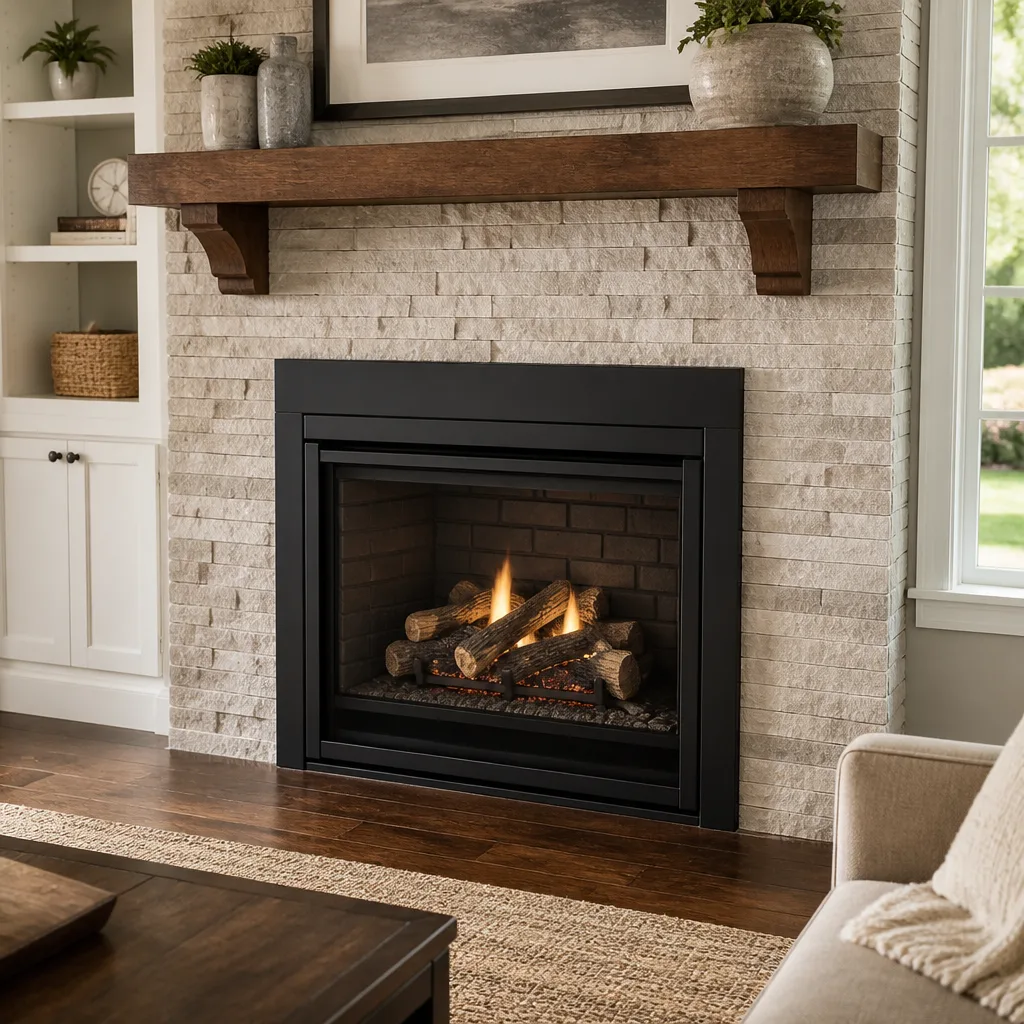 Gas fireplace service
Level 1 sweep and inspection to the NFPA 211 annual standard - flue, crown, cap, and flashing checked and photographed
Chimney sweep logs do not sweep chimneys. They loosen some creosote - which then falls where a brush and vacuum still have to collect it.
Chimney Cleaning Warning Signs: A Stapleton Homeowner’s Reference Guide
Most warning sign lists tell you to watch for white staining or odd smells and leave it there. That’s not much help when you’re standing in your living room trying to decide whether to light a fire tonight. Chimneys don’t send vague signals. They send specific ones, and each signal points to a specific failure mode. A smoky smell during a rainstorm has nothing to do with a dirty flue; it’s a pressure and draft problem, and no amount of brushing will touch it. This guide maps each warning sign to its probable cause and tells you whether the right response is a watch-and-wait, a scheduled sweep, or a camera inspection today. It’s written for Stapleton homeowners who want a straight answer, not a sales pitch.
Quick Answer
The chimney warning signs that matter most in Stapleton are: white staining on exterior brick (water getting in), a smoky or musty smell inside the house (draft or moisture problem, not always a cleaning issue), oily or asphalt-like odors (glazed creosote that needs professional attention), smoke rolling back into the room (blockage or pressure imbalance), and visible cracks or crumbling mortar at the crown. Stop using the fireplace immediately if you see or smell any of these combined with a strong acrid odor, if smoke won’t draft at all, or if you can see damage to the flue interior. Everything else can usually wait for a scheduled appointment, but you should still have it looked at.
Styles & brands we work with
- Sweep & inspection
- Caps & crowns
- Flue relining
- Masonry repair
- Gas fireplace service
Table of Contents
- Symptom-to-Cause Map: What Each Warning Sign Actually Means
- White Staining on Brick: Water Infiltration, Not Cosmetic Wear
- The Three Chimney Odors and What Each One Tells You
- Draft Problem vs. Blockage Problem vs. Liner Gap: How to Tell Them Apart
- Warning Signs That Mean Stop Using the Fireplace Immediately
- Warning Signs That Can Safely Wait for a Scheduled Appointment
- Seasonal Timing for Stapleton Chimneys: When to Book Your Sweep
- What a Professional Inspection Actually Involves
Symptom-to-Cause Map: What Each Warning Sign Actually Means
Chimney problems announce themselves through symptoms you can see, smell, or feel. The trouble is that the same symptom can point to more than one cause, and treating the wrong one wastes money and leaves the real problem in place. Here’s how we map the most common warning signs to their likely root causes.
- White staining on exterior brick – Most probable cause: water infiltration through the crown, cap, or flashing. Secondary possibility: moisture migrating through the flue liner itself. This is not cosmetic; it’s a sign that water is getting into the chimney system.
- Musty or moldy smell inside the house – Most probable cause: cleaning overdue (creosote and soot absorbing moisture) or active water intrusion into the masonry. Secondary: a blocked or partially blocked flue restricting airflow.
- Oily or asphalt-like odor – Most probable cause: glazed creosote. This happens when creosote deposits have been heated repeatedly and hardened into a dense, tar-like layer. It’s a fire hazard and needs professional removal.
- Sweet or acrid smell when the fire is burning – Most probable cause: incomplete combustion, often from unseasoned wood or poor air supply. Secondary: a flue that’s too cold or too short to draft properly.
- Smoke rolling back into the room – Most probable cause: blockage (nesting material, soot buildup, a collapsed liner section). Secondary: pressure imbalance in the house from exhaust fans, a tight building envelope, or a chimney that’s undersized for the firebox.
- Crumbling mortar or missing bricks at the crown – Most probable cause: freeze-thaw damage and water penetration. The crown is the chimney’s first line of defense against weather, and once it cracks, water gets into the masonry below.
- Rust on the damper or firebox – Most probable cause: moisture. A damper that’s rusting is a damper that’s been wet, which usually traces back to a missing cap or a crown that’s no longer shedding water.
- Visible cracks in the firebox brickwork – Most probable cause: thermal stress over time. Secondary: moisture damage weakening the mortar joints. Cracks in the firebox can let heat reach framing materials, so this one needs prompt attention.
If you’re seeing more than one of these at once, that’s your cue to schedule a professional inspection rather than guess at the cause. Chimney problems tend to compound: water damage weakens mortar, weaker mortar lets in more water, and a flue that was marginally safe becomes a real hazard. A proper chimney sweep and inspection in Stapleton gives you a documented baseline so you know exactly what you’re dealing with.
White Staining on Brick: Water Infiltration, Not Cosmetic Wear
Efflorescence is the white, powdery staining you see on exterior brick. It’s often dismissed as cosmetic aging, but it’s actually a symptom of water moving through the masonry. Salts dissolve in water inside the brick, travel to the surface as the brick dries, and crystallize there. The stain is the visible end of that process. The water causing it is the real problem.
What matters is distinguishing two different situations. Surface efflorescence that brushes off easily and doesn’t return quickly usually means occasional moisture from rain or humidity. Efflorescence that keeps coming back, feels crusty or hard, or appears alongside interior dampness is a warning that water is actively migrating through the chimney system, possibly from a failed crown, a missing or rusted cap, or cracks in the brickwork that have opened up over time.
The highest-risk version is moisture migration through the liner. If water is getting past the chimney cap or through a cracked crown and reaching the flue interior, the liner itself can degrade. Clay tile liners can crack under repeated wet-dry cycles, and metal liners can corrode if water sits against them. When that happens, the chimney stops venting safely and combustion gases can find their way into the house instead of up the flue.
Here’s how to tell which situation you’re facing:
- Look at where the staining is. Staining concentrated near the top of the chimney or under the crown points to a crown or cap problem. Staining spread across the middle or bottom of the chimney suggests something else is going on, possibly flashing failure at the roof line.
- Check for interior signs. Look for rust on the damper, dampness inside the firebox, or a musty smell in the room. If the exterior staining comes with interior moisture signs, water is getting into the flue, not just the brick face.
- Watch whether the stain returns. Brush a small patch and see what happens. If it comes back within a season, that’s active moisture migration. If it stays clean, it was likely a one-time event from a wet spring.
- Have it looked at professionally. A camera inspection will show you exactly where the water is getting in and what condition the liner is in.
We handle crown and cap work with purpose-built components from brands like Gelco and Famco, which are designed to shed water the way a chimney crown is supposed to. An improvised sheet-metal cap will do the job for a season or two, but it won’t last, and it won’t solve the underlying problem. If you’ve noticed efflorescence on your Stapleton chimney, it’s worth having it inspected before the next wet season starts.
The Three Chimney Odors and What Each One Tells You
Chimney odors come in three distinct categories, and each one points to a different problem. Learning to tell them apart saves you from unnecessary cleaning or, worse, ignoring a real safety issue.
Musty or Moldy Smell
A musty, damp smell inside the house, especially near the fireplace or on humid days, usually means one of two things: the chimney is overdue for a cleaning and soot deposits are absorbing moisture from the air, or water is actively getting into the chimney system through a failed cap, crown, or flashing. Both are worth investigating. If you’ve also noticed white staining on the exterior brick, water infiltration is the more likely culprit. If not, a professional sweep will tell you whether the flue is simply dirty or whether there’s a deeper moisture problem.
Oily or Asphalt-Like Odor
An oily, asphalt, or tar-like smell is the signature of glazed creosote. Creosote forms when wood smoke cools inside the flue, but glazed creosote is what happens when those deposits are heated repeatedly and harden into a dense, flammable layer. It’s difficult to remove with standard brushing, and it’s a serious fire hazard because it can ignite at much lower temperatures than flaky creosote. If you’re smelling this, don’t burn another fire until a professional has inspected the flue.
Sweet or Acrid Smell When Burning
A sweet, sharp, or acrid odor coming from the fireplace while a fire is burning usually points to incomplete combustion. Common causes include unseasoned or wet firewood, not enough air getting to the fire, or a flue that’s too cold or too short to draw properly. This isn’t always a chimney defect; it can also be a fuel problem. But if you’re burning dry, well-seasoned wood and the smell persists, a professional inspection is the right next step. It could mean the flue is partially blocked or the chimney isn’t drafting the way it should.
In our experience, homeowners in Stapleton who describe an odor they can’t place are usually dealing with dry, cold winters that make draft problems more noticeable. A warm fire in a cold flue creates a pressure imbalance that can push smoke back into the room even when the chimney is clean. If an odor keeps returning after a sweep, the answer is usually in the draft system, not the flue itself.
Draft Problem vs. Blockage Problem vs. Liner Gap: How to Tell Them Apart
Smoke where it shouldn’t be is the most common chimney complaint, and it has three main causes. Each requires a different professional response, and mistaking one for another is how homeowners end up paying for the wrong repair.
Draft problems mean the smoke can travel up the flue but doesn’t want to. The chimney is clear but the house is fighting it. Common causes include a chimney that’s too short for the roofline, a flue that’s undersized for the firebox opening, negative pressure from kitchen exhaust fans or bathroom vents, or a house that’s sealed so tightly that the fire can’t draw enough air. Draft problems tend to show up when you first light the fire, on windy days, or when another appliance is running. The fix is usually a draft investigation, possibly a new cap or a flue extension, not a cleaning.
Blockage problems mean smoke can’t travel up the flue at all. The chimney has something in it: a bird nest, a collapsed liner, soot buildup, or a fallen cap. Blockages tend to get worse over time and often come with a smell (musty or smoky) even when the fire isn’t burning. A professional camera inspection will show the blockage clearly and confirm what’s causing it.
Liner gap problems mean the flue is partially clear but the liner has a crack, a gap at a joint, or a section that’s separated. Smoke and combustion gases can escape through a liner gap into the chimney cavity, and from there into the house. This one rarely shows up as visible smoke in the room; it more often shows up as a faint smoke smell on the second floor or in an adjacent room, or as elevated carbon monoxide readings. A liner gap is the most dangerous of the three and requires immediate professional attention.
Knowing which of these you’re dealing with comes down to the pattern of the problem. First-light smoke points to draft. Worsening smoke over time points to blockage. A faint smell with no visible smoke points to a liner issue. If you’re seeing high carbon monoxide levels on a detector, stop using the fireplace and treat it as an urgent inspection. We inspect with a camera before we touch anything, so you’ll see exactly what the problem is.
Warning Signs That Mean Stop Using the Fireplace Immediately
Some warning signs are safe to schedule for next week. Others mean shut it down now. Here’s the clear line between the two, with the reasoning behind each call.
Stop using the fireplace immediately if:
- Smoke won’t vent at all. If the firebox is filling with smoke instead of drawing it up the flue, something is blocked or the flue is compromised. Burning another fire pushes carbon monoxide into your living space.
- You smell a strong, acrid, or chemical odor when the fire is burning. This can indicate combustion gases leaking back into the house through a liner gap or a damaged flue. It’s a carbon monoxide risk, not just a comfort issue.
- You see or hear a crack in the firebox or flue. Cracks in the firebox brickwork or in the flue liner let heat and gases escape into the chimney structure. That’s how chimney fires start in framing materials.
- Your carbon monoxide detector goes off while the fireplace is burning. Get everyone out of the house first, then call for help. This is the clearest possible signal that combustion gases are getting into your living space.
- There’s a thick layer of glazed, tar-like creosote visible in the flue. Glazed creosote ignites at much lower temperatures than flaky soot. Burning another fire is a gamble you don’t need to take.
- A bird or animal is stuck in the flue, or nesting material is visible. Blocked flues are dangerous flues. Nesting material also burns, and it can spread fire into the chimney structure.
The common thread here is gas and heat. Any sign that combustion gases are leaking, or that the flue lining has lost integrity, is a stop-use-now signal. A chimney that’s just dirty but structurally sound is a different situation. When in doubt, call before you light another fire. We answer 24/7 if you need to talk it through, and we can tell you on the phone whether it’s a stop-use situation or a schedule-a-visit situation.
Warning Signs That Can Safely Wait for a Scheduled Appointment
Not every warning sign requires a shutdown. Some are important enough to schedule now but not urgent enough to stop using the fireplace tonight. Here’s where the line falls.
- A musty smell but the fireplace still drafts well. A dirty flue with no draft problems is a cleaning issue, not an emergency. Schedule a sweep and keep burning in the meantime.
- White staining without interior moisture signs. If the staining brushes away and doesn’t come back quickly, it may be a seasonal humidity issue rather than active water migration. Have it inspected, but you don’t need to stop using the fireplace.
- Rust on the damper without other symptoms. Rust is a sign that moisture has been present at some point, but if the damper still works and the chimney drafts properly, you can schedule a repair rather than treat it as urgent.
- A cracked crown or missing cap. These are weather-protection issues. If water isn’t actively getting into the flue (check for rust, musty odors, or dripping), you can book the repair at a convenient time.
- Occasional smoke on first light. A puff of smoke when you first start a fire, especially on cold mornings, is a common draft behavior. If it clears once the fire warms up, it’s likely a minor draft issue, not a blockage.
- A fire that burns poorly with no other symptoms. Poor burn quality can come from wet wood, bad technique, or a dirty flue. Schedule an inspection to sort out the cause, but it doesn’t need to interrupt your week.
The reasoning is simple. If the flue is structurally sound and the chimney is drafting, the main risk is water damage, which is a slow problem, not an immediate one. If there’s any sign of compromised lining or combustion gas leakage, it’s the other category. A camera inspection will tell you which side of the line you’re on. We always photograph what we find so you can see it yourself and make an informed decision.
Seasonal Timing for Stapleton Chimneys: When to Book Your Sweep
Stapleton’s climate is hard on chimneys. Cold winters with freeze-thaw cycles put stress on masonry, and the long heating season means creosote builds up quickly. The best time to book a sweep is before the first cold snap, not after your first smoky fire.
Here’s a practical timeline for Stapleton homeowners:
- Late summer or early fall: Book a professional sweep and inspection before heating season starts. This is when we have the best availability and when you have the most time to address any findings before the first cold night.
- Start of heating season: Pay attention to how the first few fires behave. A fire that drafts well one year and poorly the next is telling you something.
- Mid-winter: Watch for warning signs during the heaviest use period. If you burn frequently, a mid-season check may not be necessary, but pay attention to smells and smoke behavior.
- Early spring: After a season of use, have the chimney inspected and cleaned before spring rains arrive. This is also when freeze-thaw damage from the winter shows up in the form of efflorescence or cracked masonry.
How often you need a sweep depends on how much you burn. A chimney used regularly through the winter needs more frequent attention than one used occasionally. The standard advice is to have the chimney swept and inspected once a year, but if you burn every day during cold months, you may need more often. If you’re not sure, a professional sweep will tell you how much soot and creosote has accumulated and when you should schedule the next one.
Stapleton’s wet springs are particularly relevant here. Water is the chimney’s worst enemy, and the spring season is when crown and cap problems reveal themselves. If you had a wet winter and a cold spring, you may see efflorescence for the first time in years. It’s worth having it checked before the chimney goes unused for the warmer months.
What a Professional Inspection Actually Involves
A chimney inspection isn’t a look from the ground with a flashlight. It’s a systematic check of every part of the system, from the firebox to the top of the flue, with a camera where needed.
Here’s what a professional inspection should cover:
- Firebox and damper. We check for cracks in the firebox brickwork, gaps in the mortar joints, and whether the damper opens, closes, and seals correctly.
- Flue and liner. A camera inspection shows the internal condition of the flue from bottom to top. It reveals creosote buildup, hairline cracks in clay tiles, gaps at liner joints, and any obstruction that’s blocking the draft.
- Chimney exterior. We look at the crown, the cap, the flashing, and the brickwork. Efflorescence, cracked mortar, and loose bricks all get noted.
- Draft test. We test how the chimney drafts under real conditions, not just when the fire is burning. This tells us whether you’re dealing with a draft problem, a blockage, or a pressure issue.
- Photo report. We photograph every finding and show you what we found. You don’t have to take our word for it; you can see the evidence yourself.
- Written recommendations. Any recommended repair gets a clear explanation of what it involves, why it matters, and what can safely wait.
We use professional-grade materials for repair and restoration work, including DuraFlex liners for older or irregularly shaped flues, HeatShield ceramic resurfacing for flue repair without full liner replacement, and Famco and Gelco components for cap and crown work. Not every job needs every material, and the right repair isn’t always the most expensive one. We’ll tell you what your chimney actually needs, not what will generate the biggest invoice.
When you need fireplace repair in Stapleton, the inspection is the starting point. We inspect it before we touch it, and we show you what we found before we recommend anything. That approach applies whether the issue is a crown repair, a liner replacement, or a routine sweep.
Common Mistakes to Avoid
- Treating white staining as cosmetic and ignoring it. Efflorescence is a water problem, and water damage gets worse over time. If you see it recurring, have it inspected.
- Using the fireplace when smoke rolls back into the room. A draft that won’t clear is usually a blocked or compromised flue. Get it inspected before burning another fire.
- Assuming a smoky smell means the chimney needs cleaning. In Stapleton, a smoky smell during a rainstorm is often a pressure or draft issue, not a dirt issue. Sweeping won’t fix it; a draft inspection will.
- Skipping the annual sweep because the fire “looked fine” last year. Creosote builds up gradually, and a flue that looks fine through the firebox opening can have significant buildup above.
- Replacing the liner when a HeatShield resurfacing would suffice. Not every flue needs a full liner. If your flue qualifies, ceramic resurfacing is a code-compliant repair that costs less and does the job.
- Putting off a crown repair until after another wet winter. Crown damage is one of the most common causes of water infiltration and the damage it causes compounds season by season.
- Hiring a generalist when the problem is structural. Chimney work involves specific materials and specific certifications. Ask what brands and methods the contractor is actually trained on before you book.
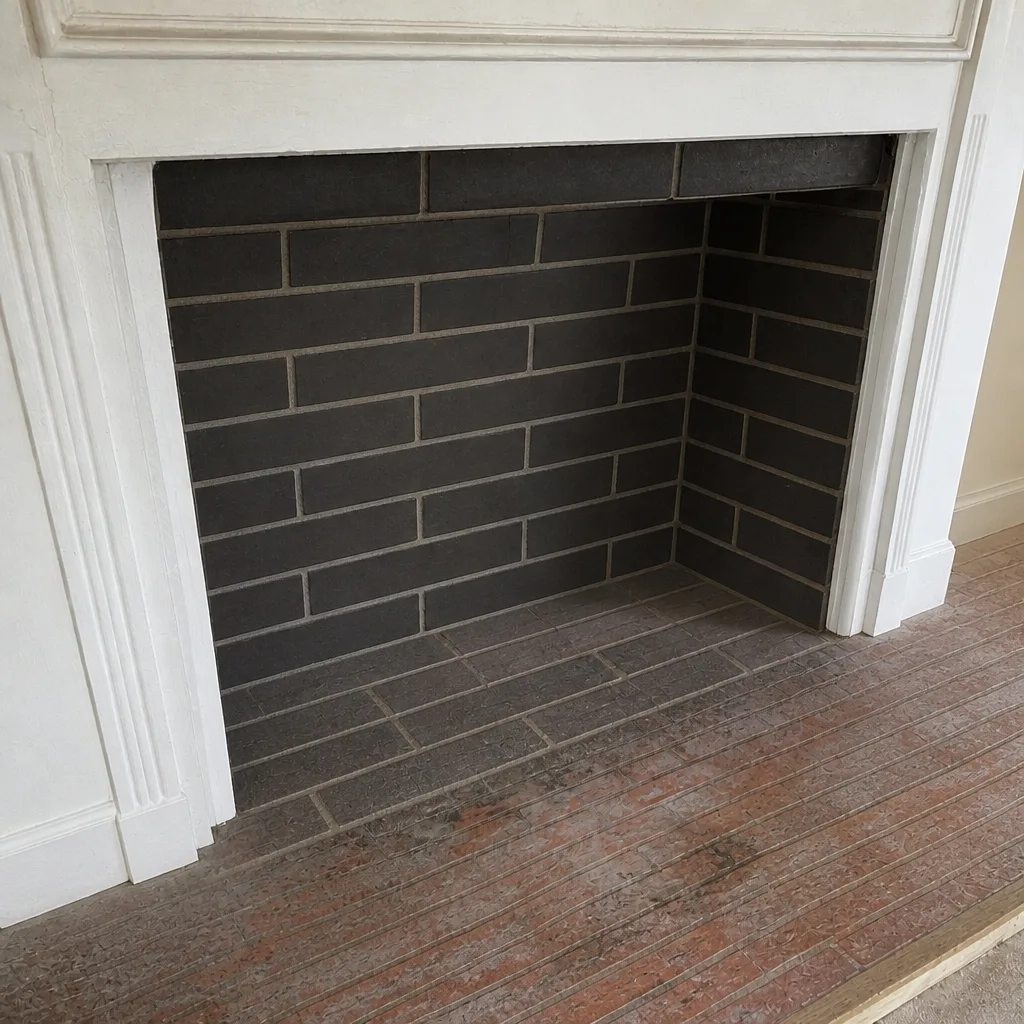
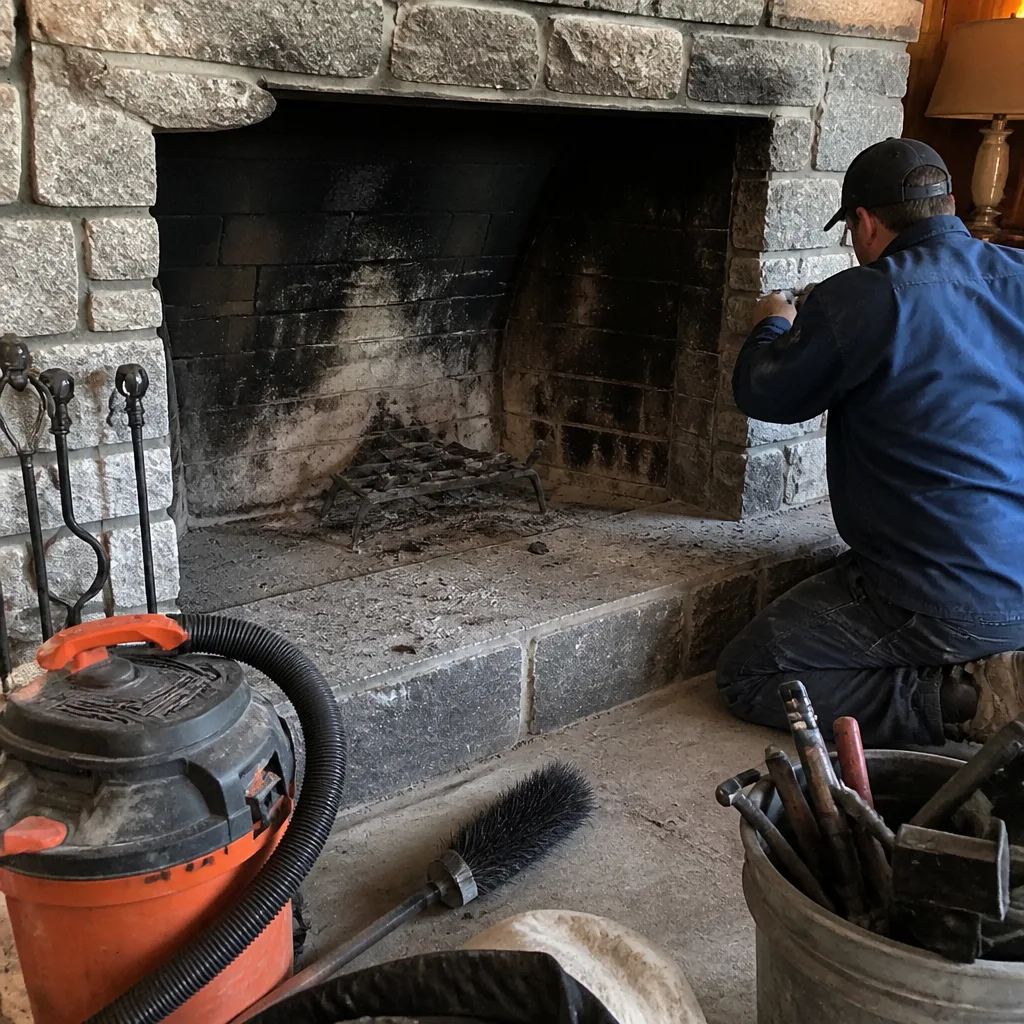
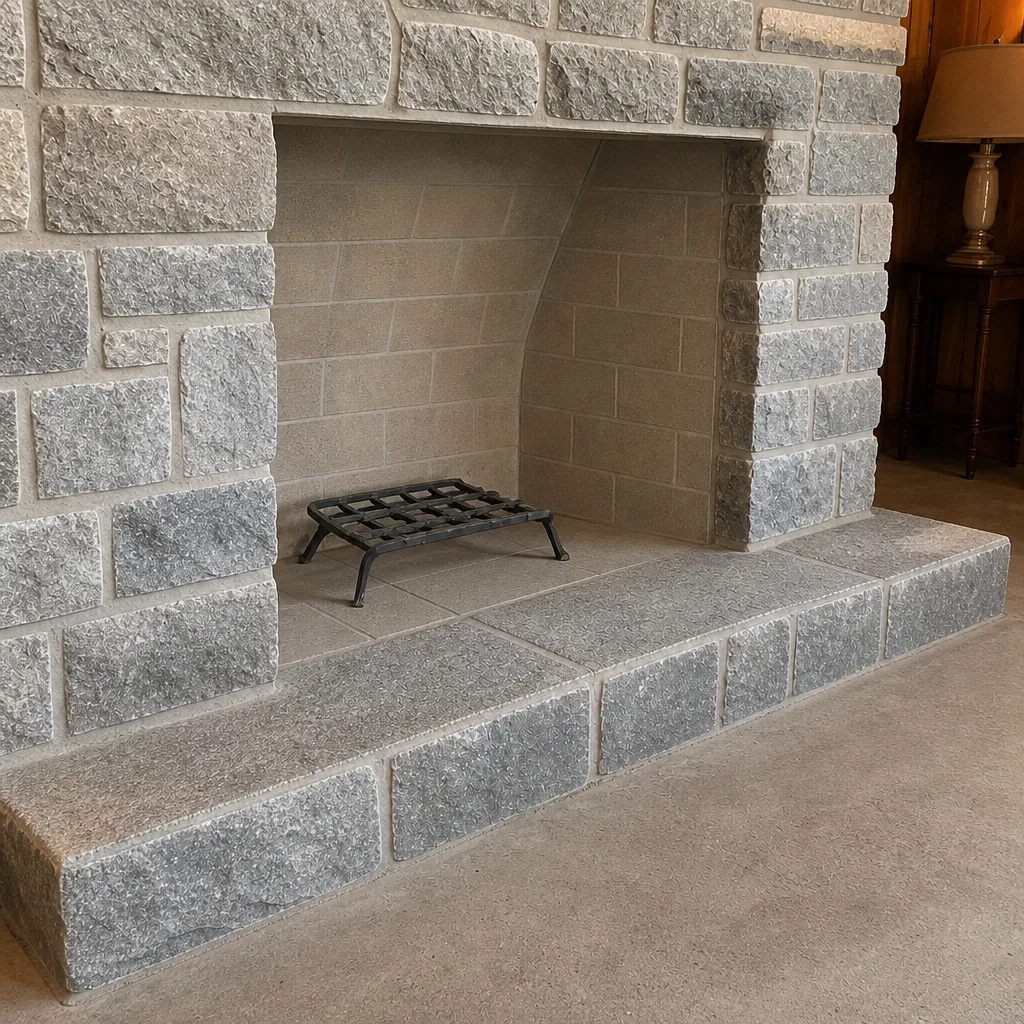
See the difference
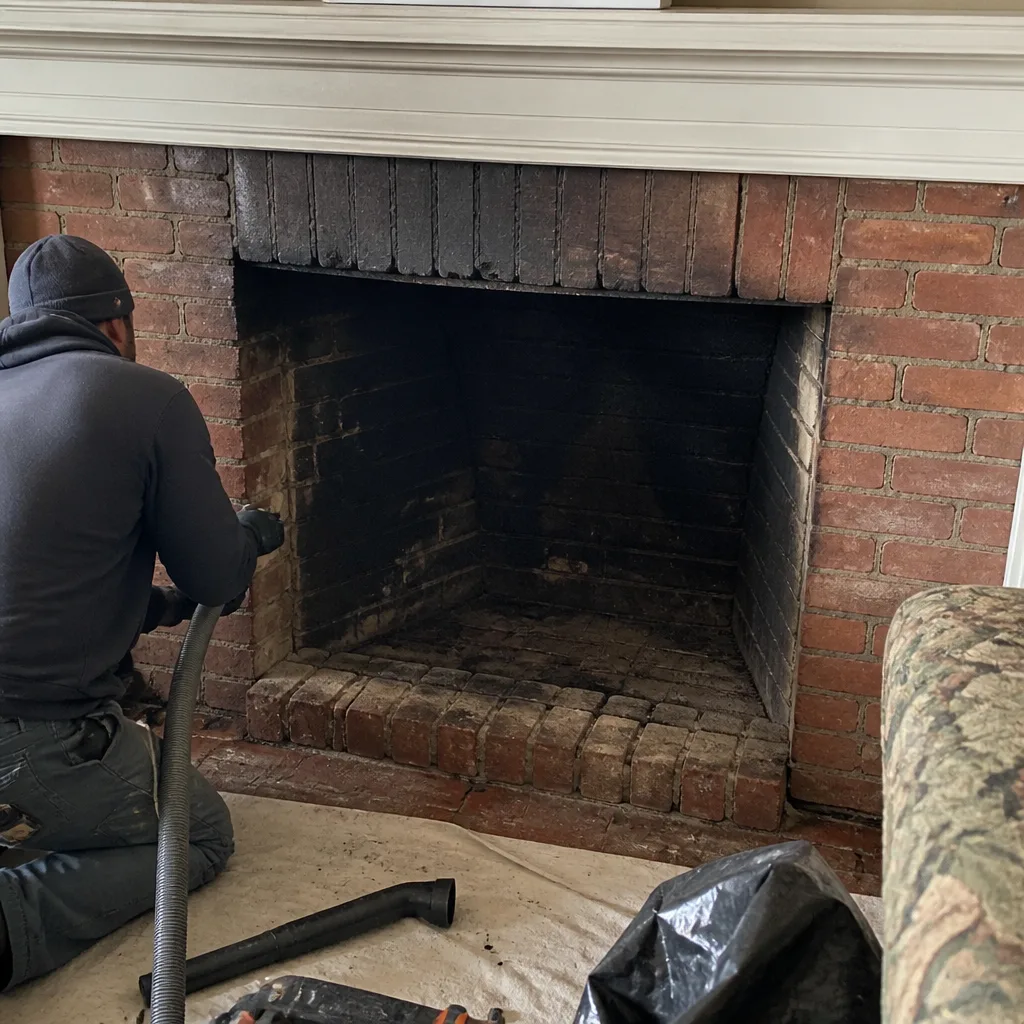 Before
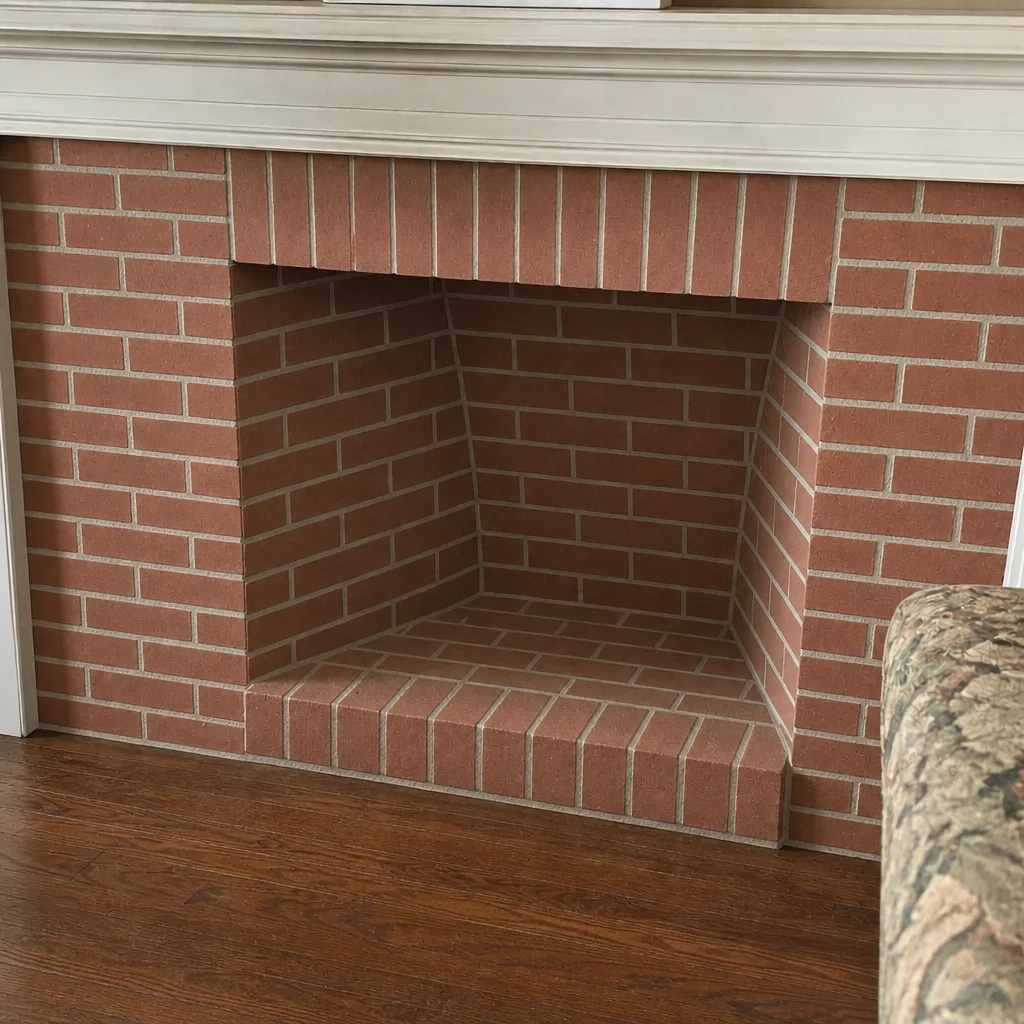 After
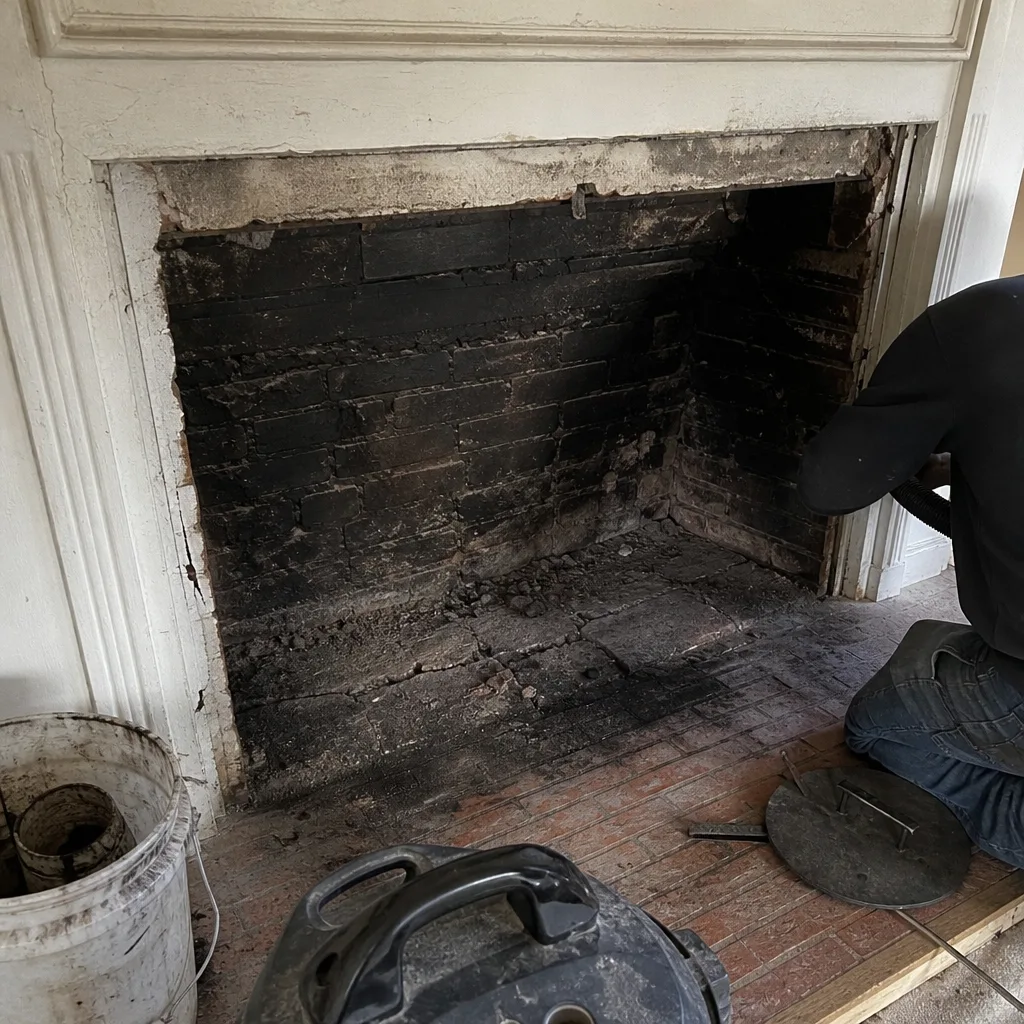 Before
 After
 Before
 After
When to Call a Professional
Call a professional if you see any of the stop-use warning signs in this guide. Call if smoke won’t vent, if the smell during a fire is sharp or acrid, if your carbon monoxide detector goes off, or if you can see cracks in the firebox or flue. Also call if you’ve moved into an older home in Stapleton and don’t have a documented inspection, if you’ve never had the chimney swept, or if you’re planning to sell and need a baseline report for the buyer.
For everything else, a scheduled appointment is usually the right move. A professional sweep and inspection will tell you what’s actually going on. We offer free estimates in Stapleton. Call (866) 280-5786. We answer 24/7. Fast dispatch from 7am to 7pm, Sunday through Friday.
Frequently Asked Questions
Most Stapleton chimneys should be swept and inspected once a year, but if you burn fires regularly through the winter, you may need it more often. The buildup of creosote depends on how much you burn and how well the fire combusts, so a professional inspection is the only way to know for sure. Call (866) 280-5786 for a free estimate and scheduling.
White staining on exterior brick is a sign that water is moving through the masonry, which is a serious problem if it’s recurring. It’s often caused by a cracked crown or missing cap letting water into the chimney. Have it inspected before the next wet season. Call (866) 280-5786 for a free estimate.
Smoke smells after rain are usually a pressure or draft problem, not a cleaning problem. Rain changes the pressure outside and can push air down the chimney, especially if the chimney is on a windy side of the house. No amount of sweeping fixes that; you need a draft inspection. Call (866) 280-5786 for a free estimate.
No. An oily or asphalt-like smell usually means glazed creosote has built up in the flue, and that’s a fire hazard. Stop using the fireplace until a professional has inspected and cleared the flue. Call (866) 280-5786 to schedule an inspection.
A blockage problem gets worse over time and often comes with a smell even when the fire isn’t burning. A draft problem tends to show up at first light or on windy days and clears once the fire warms up. A camera inspection is the only way to know for sure. Call (866) 280-5786 for a free estimate.
A professional inspection reaches parts of the chimney you can’t see from the firebox. A camera inspection shows the internal condition of the flue, something no homeowner can do with a flashlight and a mirror. It’s the only way to catch a liner gap or early-stage liner damage. Call (866) 280-5786 to book one.
The Bottom Line
Chimney warnings are specific, not vague. White staining points to water. A smoky smell during rain points to draft, not dirt. An oily odor points to glazed creosote. Each signal tells you what’s wrong and whether the right response is a scheduled sweep, a repair, or a stop-use-today inspection. In Stapleton, the wet springs and cold winters make annual inspections more important, not less. If you’re not sure which category your warning sign falls into, that’s the moment to call. One company, every part of your chimney, and a written report with photos you can look at yourself. For chimney cap & crown work, Chimney Sweep Stapleton can inspect the whole system and tell you what’s actually happening.
Call (866) 280-5786 for a free estimate. We answer 24/7. Fast dispatch from 7am to 7pm, Sunday through Friday.
Written by the team at Chimney Sweep Stapleton.